
Introduction
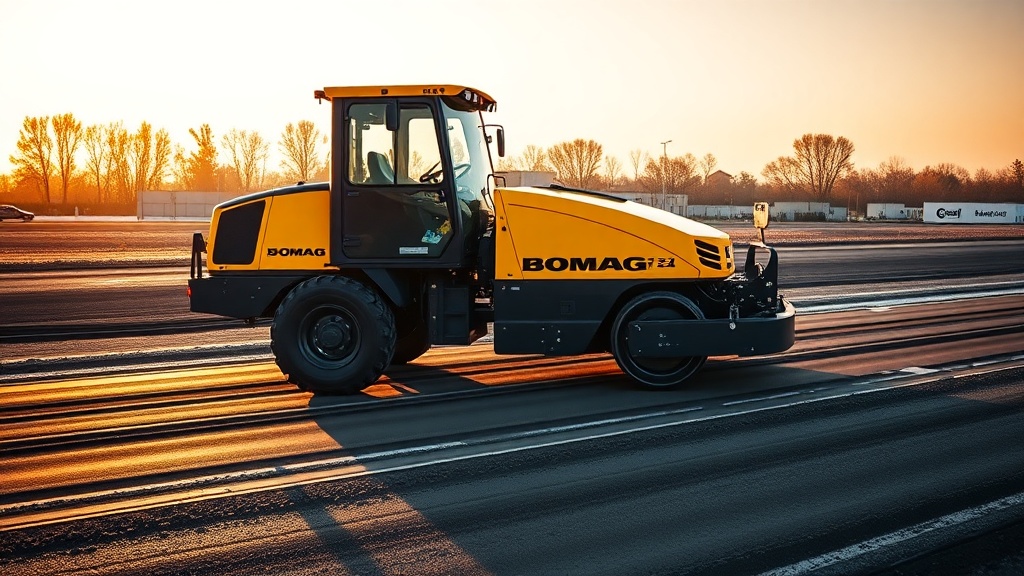
The Bomag BF 600 P-2 is a high-production asphalt paver that demands consistent attention to keep paving joints tight and mat quality high. Skipping daily checks can lead to costly downtime on the job site, especially when working with hot mix. This guide delivers a practical, task-by-task checklist for the BF 600 P-2, focusing on the areas that matter most for a full day of uninterrupted paving.
Whether you’re running a crew or handling maintenance yourself, these six questions cover the critical inspection points that prevent small issues from becoming expensive repairs. Stick to this routine, and you’ll extend the service life of your machine while maintaining the smooth, dense mat your contracts call for.
Is the Screed Ready for Level Mat Quality?
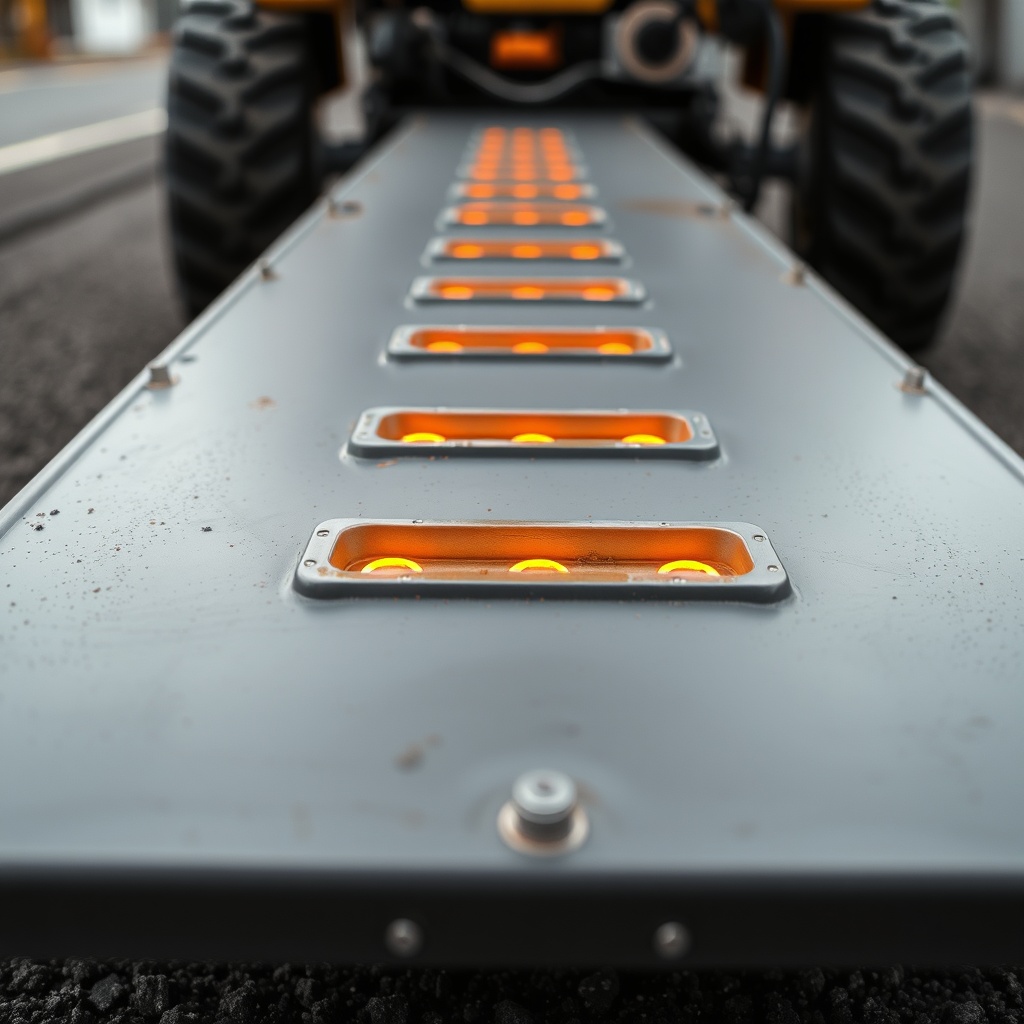
The screed on the BF 600 P-2 is a complex assembly of hydraulics, heating elements, and wear plates. Before the first load of mix hits the hopper, check the screed extensions for smooth movement. Look for any binding in the guide rails that could cause step-offs. Inspect the screed plates for excessive wear—if you see more than 5mm of wear depth on the base plates, schedule replacement soon.
Test the heating system by switching on the electric heaters for five minutes. The screed should reach at least 120°C (250°F) across its full width. Cold spots or uneven heating will create tearing in the mat. Clean any bitumen buildup from the screed bottom with a scraper, paying close attention to the crown adjustment mechanism. A smooth, properly heated screed is the foundation of a uniform joint.
Also verify the tamper bar stroke if your machine is equipped with it. The BF 600 P-2’s tamper bar should move freely without scoring. Wipe down the guide surfaces and apply a light coat of diesel or release agent to prevent sticking during paving.
Are Track Tension and Undercarriage Components in Spec?
The BF 600 P-2 runs on heavy-duty rubber tracks designed for traction and flotation. Incorrect track tension causes rapid wear and can throw the track. Check tension with the machine on level ground and the tracks cool. Push down on the track between the front idler and first carrier roller—there should be about 15–20 mm of sag. Compare this to the manual’s specification; typically, the track should lift 20–30 mm off the carrier roller when lifted by hand at the midpoint.
Inspect carrier rollers, front idlers, and drive sprockets for flat spots or excessive wear. Listen for any knocking sounds during a slow forward-reverse move. If the track has been running dry, lubricate the rails with track cleaner or a recommended spray. Don’t overlook the track adjuster grease fitting—a seized adjuster can ruin a day’s paving. Clean and regrease the fitting if it feels stiff.
A common mistake is over-tightening tracks to reduce sag. This puts extra load on bearings and sprockets, leading to premature failure. Stick to the factory specs. If you see rubber chunking from the track, inspect for debris caught between the track and undercarriage.
Is the Conveyor and Auger System Free of Wear and Blockages?
Material feed on the BF 600 P-2 relies on two independent conveyors and heavy-duty augers. Start by removing any compacted mix from the conveyor chains at the front of the hopper. Use a pry bar to break up cold asphalt if necessary—do not hammer on the chain pins. Check the conveyor chain tension. Both sides should have equal slack; if one side is tighter, adjust the turnbuckles. Over-tensioned chains cause bearing wear and increased fuel consumption.
Auger wear is a primary cause of poor mix distribution. Measure the auger flighting thickness at the leading edge. If it’s less than 10 mm thick, plan for replacement within the next 50 hours of operation. Look for weld cracks or missing sections in the flighting. Also inspect the auger tunnel liners for grooves that can trap material and cause segregation. Clean the liner surface with a wire brush.
Run the conveyors and augers in reverse for 30 seconds to dislodge any debris. Then run them forward to confirm smooth operation. If you hear a scraping sound, check for a loose liner or a worn shear pin. Never run the system under load with a known blockage—it can damage the hydraulic motor.
What About Hydraulic Oil Levels and Filter Condition?
The BF 600 P-2’s hydraulic system drives the tracks, conveyors, augers, and screed functions. Low oil or a clogged filter robs the machine of power and can damage pumps. Check the hydraulic oil level with the machine running at low idle and all functions neutral. The sight glass should show oil at the midpoint of the operating range. Top up with the correct viscosity grade (typically ISO VG 46 or 68, based on ambient temperature).
Inspect the return filter indicator. If it’s in the red zone, swap the filter element immediately. A bypassed filter lets contaminants circulate, scoring valve spools and cylinder seals. Also look for leaks at the hydraulic pump, hose fittings, and cylinder rods. A small puddle under the machine often points to a loose fitting or a worn O-ring. Tighten fittings to manufacturer torque specs—over-tightening can crack the housing.
Weekly, check the hydraulic oil sample for water contamination. Milky oil indicates a cooler leak or condensation. If you see foam, it means air is being drawn into the system, usually through a loose suction line. Fix these issues before they escalate into a pump failure.
Are the Operator Controls and Safety Systems Functional?
Every daily check should include a test of the emergency stop buttons on both the main panel and the remote control. Press each one and verify that the engine shuts down and the hydraulic functions stop. Reset the system and confirm the alarm sounds when the engine restarts. This simple check takes 30 seconds and can prevent a serious accident.
Inspect the remote control cable for cuts, kinks, or abrasion. A damaged cable can cause intermittent steering or speed control. Test all joystick functions—forward/reverse, left/right steer, and screed raise/lower. The response should be smooth, with no dead spots. If the automatic grade control is installed, check its lock-out switch and the sonar sensors for physical damage or coating buildup.
Don’t forget the operator station. Adjust the seat and armrests to ensure the operator can reach all controls comfortably. A well-rested operator produces better mat quality. Wipe down the display screen—dirt can obscure warning messages. Verify the backup alarm is audible. If the machine has been parked outside, check that the exhaust cap is clear of debris.
Fuel, Coolant, and Daily Fluid Top-Ups
Start with the engine. Check the engine oil level on the dipstick with the machine level. The BF 600 P-2’s diesel engine typically uses a 15W-40 oil. Top off if needed, but never overfill—excess oil can cause aeration and seal damage. Coolant level should be at the base of the filler neck when cold. Use a 50/50 mix of antifreeze and distilled water, and inspect the reservoir for cracks or leaks.
Fuel is critical. Drain the water separator daily, especially in humid conditions. Water in the fuel can damage the high-pressure injection pump. Fill the tank at the end of each day to prevent condensation. Check the fuel filter housing—if it has a clear bowl, look for sediment or water droplets. Replace the primary filter every 250 hours or sooner if fuel quality is suspect.
Don’t neglect the battery. Inspect the terminals for corrosion and tightness. Clean any white or green deposits with a baking soda solution. If the battery is maintenance-type, check the electrolyte level. A weak battery causes starting problems and can strand the crew.
Severity Reference Table
| Inspection Item | Usually Not Urgent | Needs Attention Soon |
|---|---|---|
| Screed plate wear depth | Less than 3 mm wear | More than 5 mm wear or visible grooves |
| Track sag | 15–25 mm sag | Over 35 mm sag or track rubbing on chassis |
| Conveyor chain tension | Equal slack on both sides | One side significantly tighter or loose links |
| Auger flighting thickness | Over 15 mm | Less than 8 mm or cracked sections |
| Hydraulic oil level | At midpoint on sight glass | Below low mark or frothy appearance |
| Return filter indicator | Green zone | Red zone or bypass indicator tripped |
| Emergency stop function | Engine stops within 2 seconds | Stops slowly, intermittent, or alarm absent |
| Fuel water separator | No water visible | Water level exceeds 10% of bowl |
What Owners Say
Fleet operators who run the BF 600 P-2 consistently note that the daily checklist pays for itself in reduced unscheduled downtime. One paving contractor in the Southeast reports that catching a worn auger flighting early saved a $3,500 repair bill after a catastrophic failure. Another owner emphasizes that track tension is the most overlooked item—they had a track thrown on a highway job, costing half a day of paving. A third says the key to a smooth mat is scrubbing the screed clean of old mix each afternoon; they saw a 20% reduction in joint defects after implementing this practice.
Frequently Asked Questions
Q: How often should I change the engine oil on the BF 600 P-2?
A: Every 250 hours of operation is standard. Use 15W-40 diesel engine oil. Change the filter at the same interval.
Q: The screed heater won’t reach temperature. What’s the first thing to check?
A: Inspect the heating elements for continuity and look for blown fuses. Also check the thermocouple connections—a loose wire can prevent full heat.
Q: Can I use universal track tension specifications?
A: No. The BF 600 P-2 requires 15–20 mm sag measured at the midpoint between front idler and first carrier roller. Always refer to your manual.
Q: What hydraulic oil should I use in cold weather?
A: Below 0°C (32°F), use ISO VG 46. In warmer climates, ISO VG 68 is appropriate. Check your manual for exact recommendations.
Q: The conveyor chains are squeaking. Is that serious?
A: It usually means dry chains or misaligned sprockets. Lubricate per manual and check chain tension. If noise continues, inspect for worn chain links.
Q: How do I clean the screed without damaging the wear plates?
A: Use a stiff plastic scraper or a soft metal scraper. Avoid aggressive grinders or wire wheels on the wear plates—they can create rough spots that tear the mat.