Introduction to the Bomag BF 600 P-2 vs Vögele Super 1800 Comparison
When choosing a mid-sized asphalt paver for road construction and maintenance projects, the Bomag BF 600 P-2 and the Vögele Super 1800 are two of the most frequently compared machines. This article provides an in-depth, side-by-side analysis of these two powerful pavers, examining their specifications, performance, operational costs, and real-world owner feedback to help you make an informed purchasing decision. While the Bomag BF 600 P-2 is a strong contender with its robust design, the Vögele Super 1800 brings a different set of strengths to the table, and understanding these differences is key.
How Do the Engine and Performance Specifications Compare?
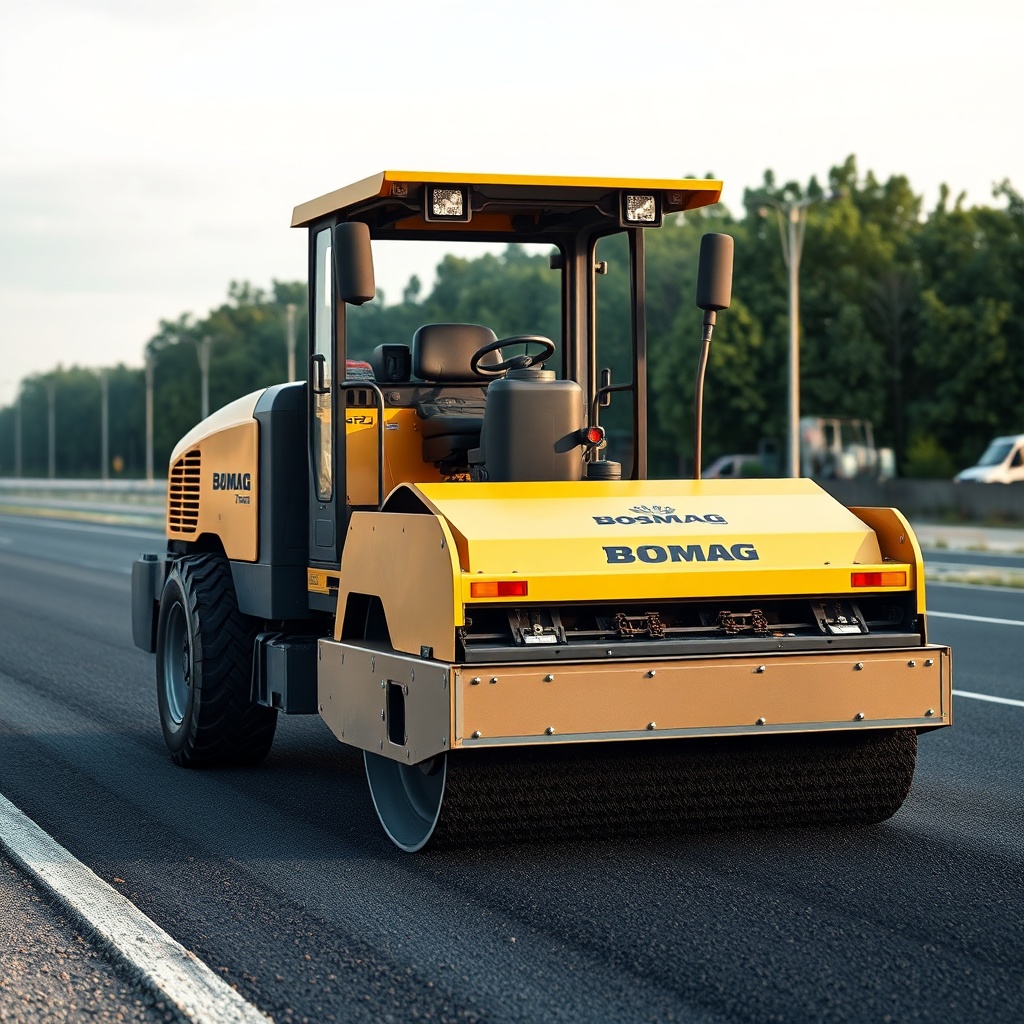
The heart of any paver is its engine and overall performance capabilities. The Bomag BF 600 P-2 is powered by a Deutz TCD 6.1 L6 diesel engine, delivering 160 kW (215 hp) at 2,200 rpm. In contrast, the Vögele Super 1800 uses a Deutz TCD 4.1 L4 engine, producing 133 kW (178 hp). The Bomag’s higher horsepower translates to a greater ability to handle thicker lifts and steeper grades, particularly when working with high-tonnage base courses. However, the Vögele excels in fuel efficiency with its smaller engine, often consuming 5-8% less fuel under similar working conditions.
Paving speed and width are also critical. The Bomag BF 600 P-2 can pave at speeds up to 20 m/min and covers widths from 2.55 m to 6.0 m with its screed. The Vögele Super 1800 offers a top paving speed of 25 m/min and a similar width range (2.55 m to 6.0 m). The Vögele’s higher paving speed can shorten project times on long, straight runs, while the Bomag’s superior tractive effort ensures consistent mat quality on uneven terrain.
What Are the Key Differences in Screed and Mat Quality?
The screed system is where these two pavers diverge significantly. The Bomag BF 600 P-2 is typically equipped with the Bomag QuattroScreed QS 60, a double tamping screed with pressure bars and vibration. It offers excellent pre-compaction, often reaching up to 98% of final compaction, which reduces the number of passes needed from a roller. The Vögele Super 1800 uses the AB 600 or AB 600 TV screed, which features a different tamping and vibration system. The Vögele is renowned for its smooth, uniform mat surface, especially on thin overlays, due to its advanced hydraulic system and true-to-grade profile.
In terms of mat quality, the Bomag produces a slightly denser mat immediately after the screed, which is beneficial for high-speed compaction. The Vögele, however, delivers a flatter, more level surface with less rippling, making it the preferred choice for highway and airport projects where surface tolerance is critical. Owners who prioritize final surface finish often lean toward the Vögele, while those needing robust pre-compaction for thick lifts favor the Bomag.
How Do Purchase Price and Operating Costs Compare (in GBP)?
| Category | Bomag BF 600 P-2 | Vögele Super 1800 |
|---|---|---|
| Average New Price (GBP) | £210,000 – £240,000 | £195,000 – £225,000 |
| Hourly Fuel Cost (GBP @ £1.50/L) | £12.00 – £14.00 | £10.50 – £12.00 |
| Annual Maintenance Cost (GBP) | £8,500 – £10,000 | £7,200 – £8,800 |
| Resale Value After 5 Years (% of new) | 55% – 60% | 60% – 65% |
Price is a major factor in any equipment decision. As shown in the table, the Vögele Super 1800 generally has a lower upfront purchase price, averaging around £15,000 less than the Bomag BF 600 P-2. Operating costs also favor the Vögele, with lower fuel consumption and maintenance expenses. Higher resale value further enhances the Vögele’s long-term financial appeal. However, the Bomag’s premium price is justified by its heavy-duty construction and higher pre-compaction capability, which can reduce roller costs on certain projects. For more detailed cost-saving strategies, refer to the Bomag BF 600 P-2 Daily Maintenance Checklist for Peak Performance to keep operating expenses low.
Which Machine Offers Better Operator Comfort and Technology?
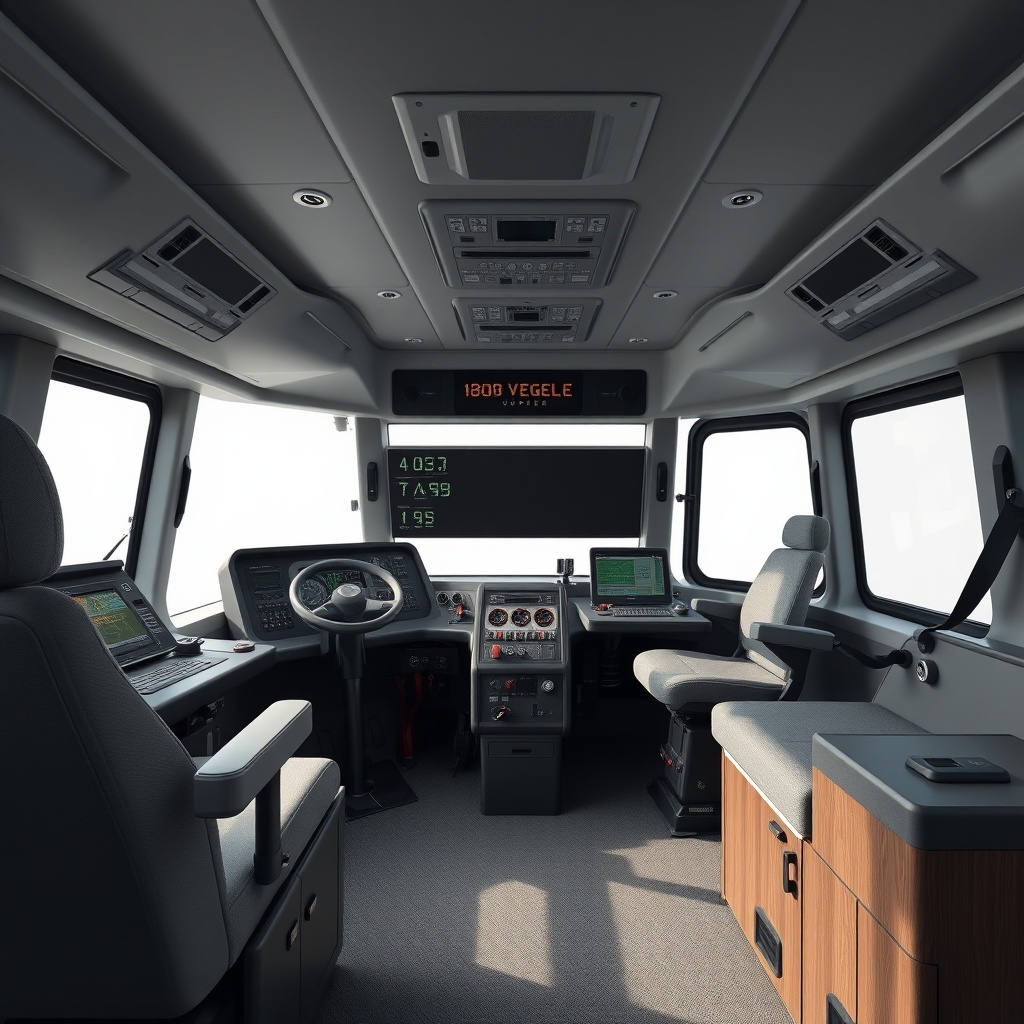
Operator comfort and onboard technology are increasingly important for productivity and operator retention. The Bomag BF 600 P-2 features an ergonomic cabin with a fully adjustable seat, intuitive joystick controls, and a large colour display that provides real-time paver data. It also includes the Bomag Telematic system for remote diagnostics and fleet management. The Vögele Super 1800, however, sets a higher standard with its ErgoPlus 3 operating concept, offering a smaller, more intuitive steering wheel and a 12-inch touchscreen interface. The Vögele cabin is generally considered quieter and more spacious, with superior air conditioning and visibility, reducing operator fatigue during long shifts.
Automation features also differ. The Vögele Super 1800 often comes with more standard automation, such as its Niveltronic Plus auto-grade system, which ensures precise layer thickness without constant manual adjustment. The Bomag offers similar options, but they are sometimes optional extras, adding to the cost. For operators who spend 8-10 hours a day in the cab, the Vögele is often the preferred choice. Regular maintenance on either machine, as outlined in the Bomag BF 600 P-2 Daily Maintenance Checklist for Peak Performance, ensures these electronic systems remain reliable.
How Does Mobility and Site Logistics Compare?
Mobility is crucial for contractors who move between job sites frequently. The Bomag BF 600 P-2 has a transport weight of approximately 18,500 kg and dimensions of 6.20 m (length) x 2.55 m (width) x 3.10 m (height). The Vögele Super 1800 is slightly lighter at around 17,800 kg and has a similar footprint. Both machines can be towed on a low-bed trailer without requiring special oversize permits in most UK regions. However, the Vögele’s slightly lower weight means easier towing and less strain on the haul vehicle.
On-site mobility is comparable. Both feature hydraulic width extenders and high-flotation tyres for soft ground. The Bomag has a tighter turning radius at 7.2 m versus the Vögele’s 7.8 m, giving it a slight advantage on smaller, congested job sites. For projects requiring frequent repositioning, this can save valuable time. The fuel consumption and daily checks recommended in the Bomag BF 600 P-2 Daily Maintenance Checklist for Peak Performance directly impact site efficiency and uptime.
What Are the Real-World Reliability and Resale Differences?
Reliability is a top concern for any contractor. The Bomag BF 600 P-2 is built with a reinforced frame and heavy-duty components, making it exceptionally durable in harsh conditions. Its engine and drive train are known for longevity, often exceeding 10,000 hours before major overhauls. The Vögele Super 1800 is also highly reliable, but its lighter construction can lead to more frequent wear on undercarriage parts, such as track chains and idlers, especially in abrasive sand or gravel environments. Conversely, the Vögele’s simpler electrical system is less prone to faults in humid conditions.
Resale value trends show the Vögele Super 1800 retains a slightly higher percentage of its original price after 5 years (60-65%) compared to the Bomag (55-60%). This is partly due to Vögele’s larger market share and brand loyalty. However, a well-maintained Bomag BF 600 P-2 with documented service history—as per your Bomag BF 600 P-2 Daily Maintenance Checklist for Peak Performance—can command a very competitive resale price. Both machines are workhorses, but the choice depends on whether you prioritise long-term durability (Bomag) or long-term value retention (Vögele).
What Owners Say
Feedback from UK contractors who have owned or operated both machines reveals clear preferences. Many owners praise the Bomag BF 600 P-2 for its brute strength on motorway base layers. “It just powers through high-tonnage material without bogging down,” says one operator from a Midlands-based paving firm. Others note the Bomag’s screed pre-compaction is “second to none,” reducing roller passes by 20-30%. However, some find the cabin layout and control ergonomics “less refined than the Vögele.”
Vögele Super 1800 owners consistently highlight the machine’s smoothness and finish quality. “For wearing courses, the mat quality is superior. It lays down like a mirror,” comments a Surrey-based contractor. The operator environment receives high marks for comfort and reduced fatigue. A common criticism is that the Vögele can struggle with extremely thick lifts (over 200 mm), where the Bomag excels. Overall, owners agree that for utility work and thin overlays, the Vögele is the winner, while for heavy-duty base work, the Bomag is preferable.
Frequently Asked Questions
- Which paver has a higher maximum paving width? Both the Bomag BF 600 P-2 and the Vögele Super 1800 offer a maximum paving width of 6.0 m with their largest screed options, making them directly comparable in this area.
- Is the Vögele Super 1800 more fuel-efficient than the Bomag BF 600 P-2? Yes, generally. The Vögele’s smaller (133 kW vs 160 kW) and more modern engine, combined with optimised hydraulics, results in 5-8% lower fuel consumption under typical working conditions.
- What is the typical resale value of a Bomag BF 600 P-2 after 5 years? In the UK, a well-maintained Bomag BF 600 P-2 typically retains 55-60% of its original purchase price, while a comparable Vögele Super 1800 retains 60-65%.
- Does the Bomag BF 600 P-2 come with a warranty? Yes, Bomag offers a standard manufacturer’s warranty, typically 12-24 months or 2,000 hours, whichever comes first. Extended warranties are available through dealers.
- Which paver is easier to transport between UK job sites? The Vögele Super 1800 is slightly lighter (approx. 17,800 kg vs 18,500 kg), making it marginally easier to tow. Both fit on a standard low-bed trailer without oversize permits.
- Can the Vögele Super 1800 handle high-tonnage base courses as well as the Bomag? Not as effectively. The Bomag BF 600 P-2, with its higher horsepower and more robust frame, is better suited for thick, heavy base courses, while the Vögele excels on thinner wearing surfaces.