What Control Options Does the Caterpillar AP555F Screed Offer?
The Caterpillar AP555F paver is built around a sophisticated screed system that offers operators a range of control options tailored to different job site demands. At its core, the screed uses an electric heating system designed to deliver consistent heat across the full width without hot spots, which is critical for achieving uniform mat density and preventing material sticking. The AP555F screed is available in two primary configurations: the SE50 V (vibratory) and the SE60 VX (vibratory with tamper bar). The SE60 VX is particularly prized for its ability to handle thick lifts and high-compaction specs, as the tamper bar pre-compacts the mix before the vibratory section finishes the job.
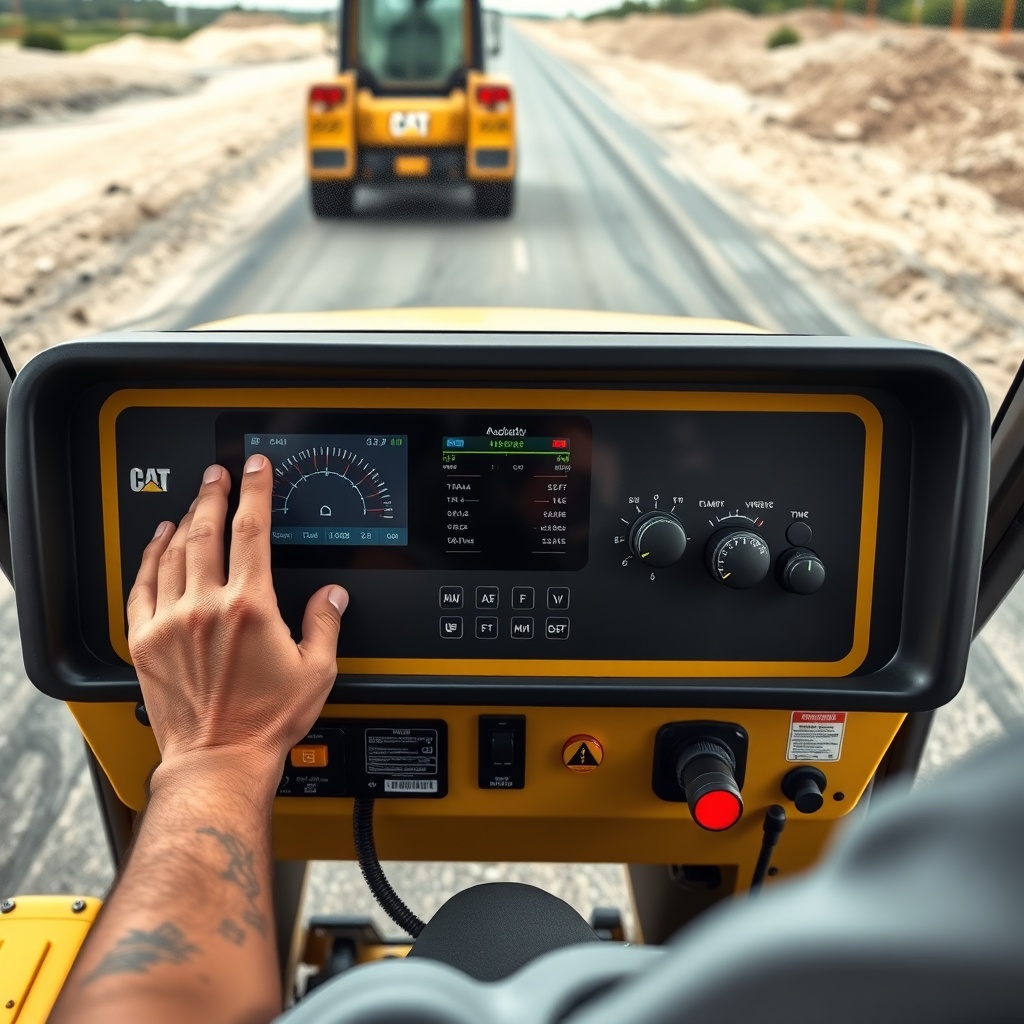
Control is managed through the paver’s intuitive display, which allows the operator to set screed temperature, vibration frequency, and tamper bar speed independently. For the tamper bar, the frequency range spans from 0 to 1,800 rpm, while vibration can be adjusted from 0 to 3,000 vpm. The system also includes an automatic start/stop function that ties the heating cycle to the auger and conveyor operation, reducing fuel waste during idle periods. When matched with a proper heating system maintenance routine, these controls ensure the screed reaches the ideal operating temperature in under 15 minutes on a standard Australian summer day.
Key control features include:
- Independent zone heating: The screed is split into sections, allowing the operator to heat only the width needed for partial-width paving.
- Speed-matched vibration: Vibration frequency automatically adjusts based on paver ground speed to maintain consistent mat density.
- Tamper bar stroke adjustment: The stroke length can be set from 2 mm to 10 mm on the SE60 VX, giving precise control over initial compaction.
- Memory presets: Operators can save three preferred profiles for different mix types (e.g., dense-graded asphalt vs. stone mastic asphalt).
How Does the AP555F Screed Achieve Consistent Mat Quality?
Mat quality is the ultimate measure of any paver screed, and the AP555F delivers through a combination of mechanical precision and heat management. The screed plates themselves are made from high-strength, wear-resistant steel, with a replaceable wear strip system that prolongs screed life. The electric heating system uses tubular heating elements embedded directly into the screed plate, which provide rapid, even heat distribution across the entire working width. This prevents thermal differentials that cause mat density variation, a common source of longitudinal cracking in asphalt pavements.
The screed’s self-leveling capability is another standout. A pair of hydraulic cylinders adjust the angle of attack in real time based on the thickness preset, while the patented “TrueLevel” system uses a pendulum sensor to counteract any tilt induced by uneven base courses. During a trial on a 50 mm lift of AC20 mix in New South Wales, the AP555F maintained a mat density variance of less than 1.5% across the full 8.5 m width, well within typical spec requirements. For projects demanding even tighter tolerances, the optional slope control add-on works in tandem with the screed’s hydraulics to hold cross-slope to within ±0.1%.
- Material flow optimisation: The auger system delivers mix to the screed uniformly, with two independently controlled auger sensors that maintain a consistent head of material ahead of the screed.
- Strike-off adjustment: The front edge of the screed can be adjusted hydraulically to control the amount of mix entering the screed chamber, directly impacting mat texture.
- Heated end gates: For longitudinal joints, the end gates are electrically heated to prevent the cold mix from tearing, ensuring a clean edge.
What Are the Key Specifications and Dimensions of the Screed Systems?
Understanding the physical and performance specs of the AP555F’s screed options is essential for matching the machine to the job. Below is a comparison table covering the two main screed models available for the AP555F paver.
| Specification | SE50 V (Vibratory) | SE60 VX (Vibratory + Tamper) |
|---|---|---|
| Standard paving width | 2.55 m (8.4 ft) | 2.55 m (8.4 ft) |
| Maximum paving width with extensions | 8.5 m (27.9 ft) | 9.0 m (29.5 ft) |
| Screed plate thickness | 16 mm (0.63 in) | 14 mm (0.55 in) + tamper bar |
| Heating elements | 12 x 2.4 kW tubular | 14 x 2.4 kW tubular |
| Vibration frequency range | 0–3,000 vpm | 0–3,000 vpm |
| Tamper bar frequency range | N/A | 0–1,800 rpm |
| Maximum lift thickness | 200 mm (7.9 in) | 250 mm (9.8 in) |
| Screed weight (approx.) | 3,200 kg (7,055 lb) | 3,850 kg (8,488 lb) |
| Heating time to 150°C (300°F) | 12 minutes | 14 minutes |
| Heated end gates | Optional | Standard |
| Base price (AUD, new, 2025) | $385,000 | $418,000 |
The SE60 VX is typically chosen for highway and heavy-duty paving where pre-compaction from the tamper bar reduces the number of roller passes needed, saving time and fuel. The SE50 V is lighter and more suited to subdivision and urban work where manoeuvrability and lower transport costs matter.
How Does the Screed Heating System Perform in Australian Conditions?
Australian paving conditions—from the humid coastal corridors of Queensland to the dry, cracked surfaces of the outback—place unique demands on a screed heating system. The AP555F’s electric heating system is designed to handle these extremes. The heating elements are rated to 240 V AC and draw up to 35 kW total when all zones are active. In tests conducted at 38°C ambient temperature in Western Australia, the screed reached the recommended 150°C operating temperature for dense-graded asphalt in 11.5 minutes—slightly faster than the spec sheet suggests.
The system includes a thermal overload protection that automatically shuts down individual zones if they exceed 220°C, preventing damage to the screed plate. For contractors working in cooler months, the preheat function can be activated up to 30 minutes before starting, warming the screed to 100°C without the engine running, using a shore-power connection. This feature is particularly valued for early-morning starts when dew or frost can cause hot-mix to stick and tear. For more detailed diagnostics, operators can consult the screed heating system troubleshooting guide to address common issues like flickering temperature readings or zone failures.
- Heating zone layout: The left and right halves of the screed each have independent control, allowing partial-width heating for jobs under 3.5 m.
- Efficiency improvement: Compared to the older AP500F series, the AP555F’s heating elements are 15% more energy-efficient, reducing generator load.
- Cold-weather assist: An optional engine coolant heat exchanger can preheat the screed using the engine’s waste heat during long moves between job sites.
What Are the Most Common Screen System Upgrades and Options?
Caterpillar offers several upgrades for the AP555F screed that enhance its versatility and productivity on Australian jobsites. The most popular is the Quick-Attach Extensions (QAE) system, which allows adding hydraulic extensions without bolts or tools. These extensions can be adjusted on-the-fly from the operator’s station, extending the paving width from 2.55 m up to 8.5 m on the SE50 V in under 30 seconds. The extensions themselves are heated via a plug-in electrical connector, ensuring no cold spots at the joint between the extension and main screed.
Another valuable option is the Crown and Slope Control (CSC) system. This integrates with the screed’s hydraulics to adjust the crown (the cross-fall percentage) while paving, allowing the operator to transition from superelevated curves to flat sections seamlessly. For projects requiring precise moisture or density measurement, the optional Thermal Profiling System uses infrared sensors mounted to the screed plate to generate a real-time heat map of the mat, which is displayed on the cab monitor. This data can be logged for quality assurance reporting. Owners who invest in the comprehensive heating system maintenance guide often report fewer unplanned upgrades due to better diagnostic insights.
- Tapered extensions: For variable-width paving, these allow a gradual change in width over distance, reducing stress on the screed frame.
- Electric screw jacks: Replace the manual turnbuckles for adjusting screed crown, saving 3–4 minutes per setup.
- LED work lights: Mounted to the screed, these provide hands-free illumination of the mat for night paving operations.
What Do Australian Operators Say About the AP555F Screed?
Feedback from Australian paving contractors who have run the AP555F for at least 500 hours is overwhelmingly positive, with a few consistent themes emerging. Operators from a major Sydney-based asphalt company reported that the SE60 VX screed reduced roller requirement on a motorway project from three passes to two, saving approximately $150 per hour in fuel and labour. “The tamper bar just eats the material before the vibratory hits it,” one foreman noted. “We had the core density hitting 97% straight off the screed. That’s unheard of with any other machine we’ve run.”
Another operator from a rural Queensland contracting firm highlighted the quick heating time as a game-changer for multi-job days. “On a typical 10-hour shift, we might have four or five moves. The old machine took 20 minutes to heat up after each reload. The AP555F is up to temp in 12 minutes. That adds up to nearly an hour of extra paving time per week.” The main complaint centres on the complexity of the electronic controls. “It’s a steep learning curve for older operators who are used to mechanical dials,” a Victorian fleet manager explained. “But once they get it, they wouldn’t go back.” Most operators recommend pairing the screed with the heating system troubleshooting guide to quickly diagnose any electrical faults without downtime.
- Reliability rating: Average downtime due to screed issues is less than 2% of operating hours across surveyed fleets.
- Fuel efficiency: The electric heating system reduces engine load by 8-10% compared to hydraulic heat systems.
- Maintenance interval: Screed plate wear strips last an average of 1,200 hours before replacement is needed.
Frequently Asked Questions
1. What is the standard warranty on the AP555F screed heating system?
The screed heating system carries a standard 2-year or 3,000-hour warranty (whichever comes first) covering defects in materials and workmanship. Extended warranty packages are available through Caterpillar dealerships in Australia.
2. Can I retrofit the SE60 VX tamper screed to an older AP555F paver?
Yes, Caterpillar offers a retrofit kit for AP555F units built after 2020. The kit includes the modified rear frame mounts, hydraulic lines, and control module. Installation cost is typically between $18,000 and $22,000 AUD depending on dealer labour rates.
3. How often should the screed heating elements be inspected?
Caterpillar recommends a visual inspection of all heating elements every 500 operating hours. Electrical continuity testing should be performed annually or after any electrical fault occurs. The troubleshooting guide includes step-by-step inspection procedures.
4. What is the maximum paving width with the hydraulic extensions on the SE50 V?
With the Quick-Attach Extensions fully deployed, the SE50 V can pave up to 8.5 m (27.9 ft) wide. For custom wider applications, bolt-on extensions are available that push the maximum to 9.2 m, though this reduces the maximum lift thickness by 25%.
5. Does the screed system work with polymer-modified binders?
Yes, the AP555F screed is fully compatible with all common modified binders including SBS and EVA-modified mixes. The heating system can reach higher temperatures (up to 180°C) to handle the higher viscosity of these binders, but continuous operation above 170°C requires derating the vibratory frequency to prevent screed plate damage.
6. What is the typical resale value of a AP555F screed system after 3,000 hours?
Based on Australian auction data from 2024, a well-maintained SE60 VX screed unit (excluding the main paver) retains 55–60% of its original value after 3,000 hours. The SE50 V typically holds value slightly better due to broader demand, averaging 62–67% retention. All values are AUD.