
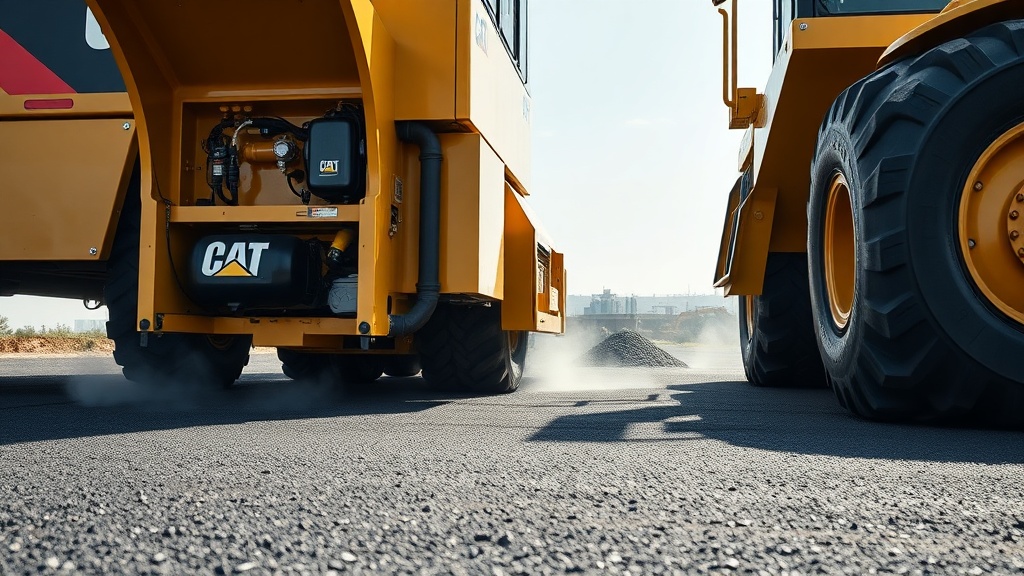
Understanding the Caterpillar AP655F Fuel System
The Caterpillar AP655F paver’s fuel system is a high-precision assembly that delivers diesel from the tank to the Cat C4.4 engine. Proper maintenance of this system is critical to avoid costly downtime, misfueling issues, and injector failure. This guide provides the detailed, step-by-step care schedule that keeps the AP655F’s fuel system operating at peak efficiency.
Regular attention to the fuel system—including water separator servicing, filter replacement, and fuel quality checks—can extend the life of the engine and reduce overall operating costs. Neglecting these tasks can lead to injector clogging, reduced power, and increased fuel consumption.
Key Components: Fuel tank (180L capacity), primary filter/water separator, secondary fuel filter, high-pressure common rail pump, fuel injectors, and return lines.
How Often Should Water Separators on the AP655F Be Drained?
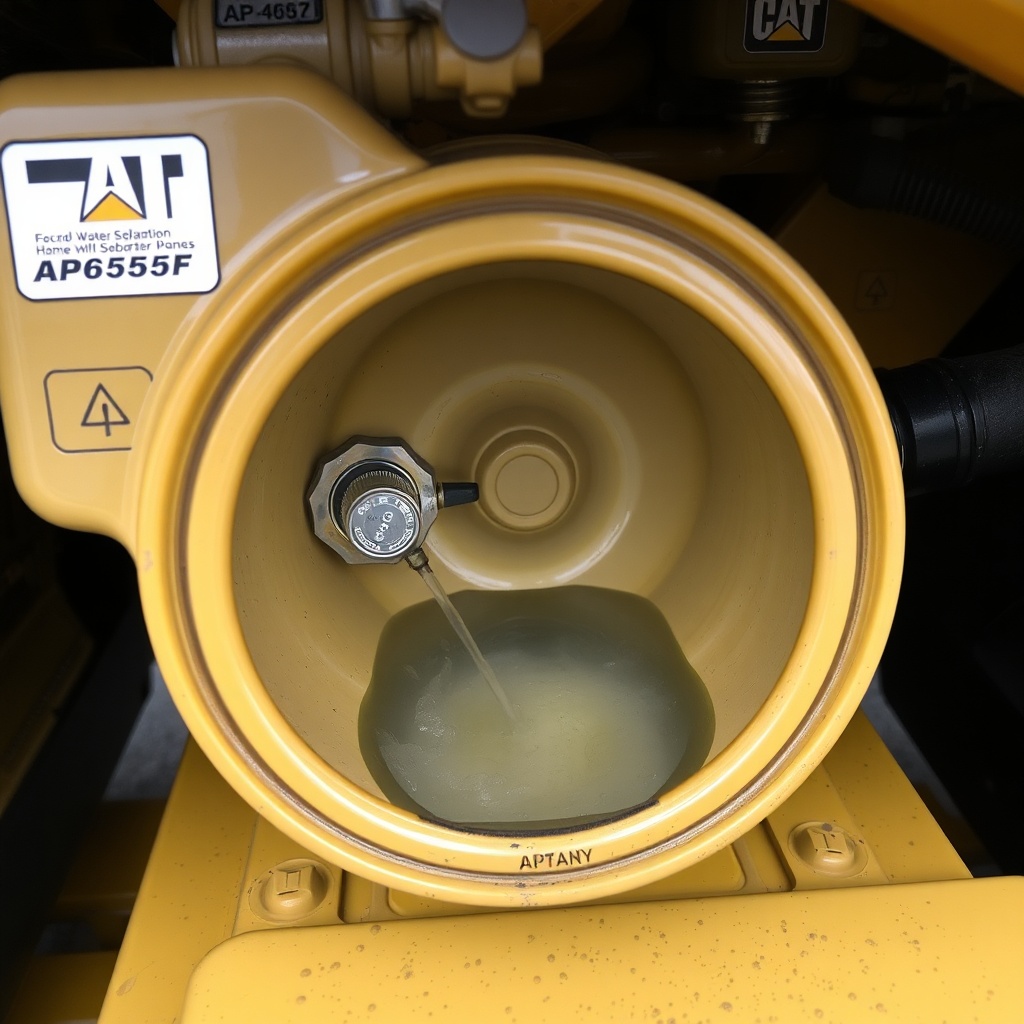
The water separator on the AP655F must be drained daily—or after every 10 hours of operation—whichever comes first. Water contamination is especially common in humid climates or when fuel is stored in partially filled tanks. The separator sits on the left side of the engine, and a transparent bowl allows visual inspection. To drain, simply open the drain valve at the bottom of the bowl until clear fuel appears. If water is present, it will settle at the bottom and should be purged immediately. A warning light on the control panel will illuminate if water reaches a threshold level, indicating the need for immediate draining. Failing to do so can cause the water to bypass the separator and damage the high-pressure fuel injection pump.
Which Fuel Filters Does the AP655F Use, and When Should They Be Replaced?
The AP655F uses two distinct fuel filters: a primary (pre-filter) with a water separator and a secondary high-efficiency filter. The primary filter should be replaced every 250 hours or 30 days, while the secondary filter requires replacement every 500 hours or 60 days. Always use genuine Cat filters to maintain warranty and performance specifications. Below is a comparison table of the two filters.
AP655F Fuel Filter Specifications
| Filter Type | Cat Part Number | Replacement Interval | Micron Rating | Approximate Price (GBP) |
|---|---|---|---|---|
| Primary (Water Separator) | 379-2380 | 250 hours / 30 days | 10 micron | £28-£35 |
| Secondary (Final Filter) | 379-2381 | 500 hours / 60 days | 2 micron | £32-£40 |
When replacing filters, always fill the new primary filter with clean diesel before installation to prevent dry start-up. The secondary filter can be installed dry, as the priming pump will fill it quickly. After replacement, operate the priming pump on the filter housing until the air is purged and a steady stream of fuel exits the bleed screw. This process avoids air locks in the common rail system.
What Is the Correct Procedure for Fuel System Priming?
After any fuel filter change or if the system has run dry, priming is mandatory. The AP655F features a hand-operated priming pump located on the top of the fuel filter housing. The step-by-step procedure is as follows:
- Loosen the air bleed screw on the secondary filter housing by 1-2 turns.
- Operate the priming pump with steady strokes until fuel flows from the bleed screw without bubbles.
- Tighten the bleed screw to the specified torque (2-3 Nm).
- Continue pumping for an additional 10-15 strokes to pressurize the system.
- Start the engine and let it idle for 3 minutes, then check for leaks around the filter seals.
If the engine fails to start after several attempts, repeat the priming process. Never use starting fluid, as that can cause severe engine damage. A properly primed system will allow the engine to start within 5 seconds of cranking. Also, ensure that the fuel tank is at least half full before priming to avoid drawing air into the lines.
For related issues with the paver’s heating and screen systems, see our Caterpillar AP655F Screed Heating System Troubleshooting Guide.
How Do Contaminants Affect the AP655F’s Injectors and Common Rail?
Contaminants such as water, dirt, and microbial growth are the primary enemy of the high-pressure common rail system. The AP655F operates at rail pressures exceeding 2,000 bar (29,000 psi). Even microscopic particles can score injector nozzles, leading to poor atomisation, reduced power, black smoke, and cylinder misfiring. Water causes corrosion and can accelerate wear on the high-pressure pump’s precision surfaces. Common contamination sources include:
- Dirty fuel from storage tanks (especially after heavy rain or condensation).
- Adding fuel from unsealed containers or trailers.
- Microbial growth (diesel bug) in long-term stored fuel.
- Failed filter seals allowing bypass of unfiltered fuel.
To prevent these issues, always store fuel in clean, sealed tanks and consider using a biocide additive if the paver is idle for extended periods. Inspect the water separator bowl daily and replace fuel filters strictly on schedule. If injector failure is suspected, a cylinder cut-out test or leak-off measurement should be performed by a qualified technician.
What Are the Signs of Fuel Starvation or Air Intrusion?
Fuel starvation and air intrusion present similar symptoms on the AP655F, but require different fixes. Common indicators include:
- Engine surges or runs rough at idle.
- Loss of power under load (especially during uphill paving).
- White smoke on cold start-up.
- Engine stalls unexpectedly and fails to restart.
- Air bubbles visible in the clear fuel return line.
Air intrusion often occurs at loose banjo fittings, cracked fuel hoses, or worn seals around the filter housing. To diagnose, inspect all fuel lines from tank to engine for chafing or cracks. Check that the fuel tank vent is not clogged, as a vacuum can also cause starvation. Torque all banjo bolts to the manufacturer specification of 25 Nm. If bubbles persist, a pressure test of the fuel supply line may be needed. Connecting a vacuum gauge on the supply side can reveal restriction from a blocked pick-up tube or a collapsed hose.
Maintaining the screen system is equally important for overall paver performance—review our Caterpillar AP655F Paver Screen Systems: A Detailed Review for more information.
What Owners Say About the AP655F’s Fuel System Durability
Owners and operators of the Caterpillar AP655F generally rate the fuel system as reliable, but several common themes emerge from user feedback. Many appreciate the easy access to the water separator and the clear sight bowl, which makes daily checks quick. One UK-based contractor noted, “The AP655F has never let us down when we stick to the 250-hour filter change. I’ve seen other machines need injector replacements at 2,000 hours—we are past 4,500 hours and original injectors.” Others point out that fuel quality varies significantly across different jobsites, and the primary filter can clog earlier if running on recycled or low-grade diesel. Some operators have added an additional inline filter for extra protection, especially in remote locations. A few negative comments mention that the priming pump handle can become stiff if not used regularly, and that the bleed screw threads are delicate—over-tightening can strip them. Overall, the consensus is that the system is robust if the basic maintenance schedule is followed, but ignoring water draining is the fastest way to incur expensive repairs.
Frequently Asked Questions About the Caterpillar AP655F Fuel System
- What type of diesel is recommended for the AP655F? Ultra-low sulphur diesel (ULSD) with a cetane rating of at least 45. In cold climates, use a winter blend down to the appropriate temperature.
- Can I use biodiesel in the AP655F? Yes, blends up to B20 (20% biodiesel) are approved, but the fuel system maintenance schedule should be halved (filter changes every 125 hours) due to higher solvent properties and microbial growth risk.
- What is the cost of a full fuel filter kit for the AP655F? A genuine Cat fuel filter kit (primary + secondary) costs approximately £58-£72 in the UK market, depending on the supplier.
- Why does my AP655F blow black smoke after a filter change? This typically indicates air in the system or overfueling due to a partially blocked filter not properly primed. Rerun the priming procedure and check for leaks.
- How do I test the fuel pressure on the common rail? A diagnostic tool (Cat Electronic Technician – Cat ET) is required to read rail pressure sensor data. Normal pressure at idle should be around 300-400 bar, rising to 1,800-2,200 bar under load.
- Is it okay to replace the filters with aftermarket brands? While aftermarket filters may physically fit, they rarely meet the stringent filtration efficiency of OEM Cat filters. Use of aftermarket filters can void the engine warranty and lead to injector wear.
For screed plate replacement, see our detailed guide Caterpillar AP655F Screed Plate Replacement Procedure.