
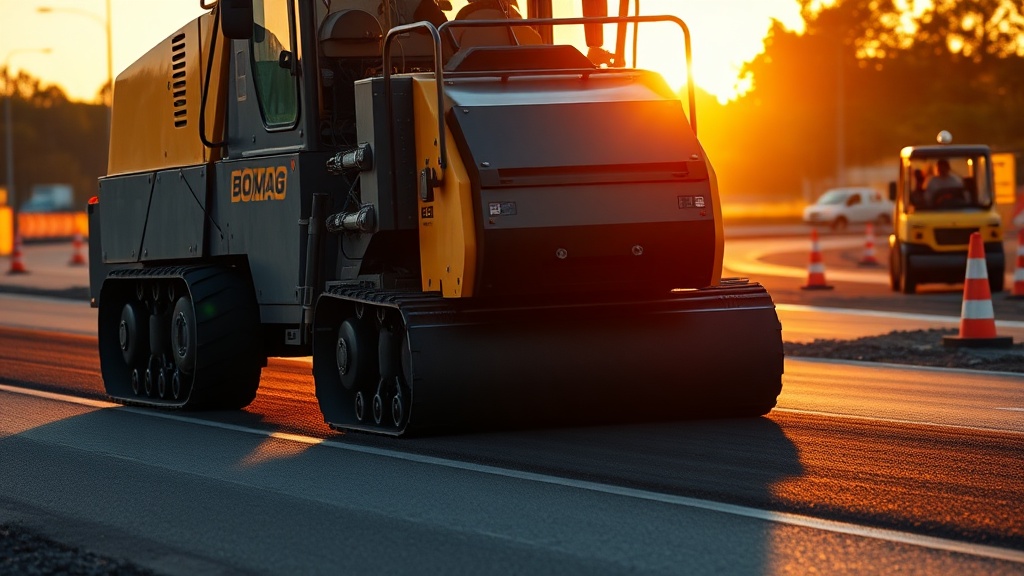
The Lifeblood of the Bomag BF 600 P-2: Understanding Hydraulic Health
The Bomag BF 600 P-2 is a workhorse in the mid-sized paver class, renowned for its ability to handle everything from motorway binder courses to tricky city street overlays. However, the machine’s entire operation—from the augers and conveyors to the screed extension cylinders and propulsion—depends on a single, pressurized fluid system. Without vigilant hydraulic system maintenance, even the most robust BF 600 P-2 will quickly degrade, leading to costly downtime and component failure. This article focuses on the critical care routines that keep the hydraulic circuit operating at peak efficiency, ensuring a smooth mat and long machine life.
How Often Should the Hydraulic Oil Be Changed on a Bomag BF 600 P-2?
Bomag’s official recommendation for the BF 600 P-2 hydraulic oil interval is typically 1,000 operating hours or once per year, whichever occurs first. However, operators working in harsh environments—high ambient temperatures, dusty conditions, or frequent start-stop operation—should consider a 750-hour interval. Using a high-quality ISO VG 46 or VG 68 hydraulic oil (depending on ambient temperature range) is non-negotiable. Always consult the operator’s manual for the specific fluid specification, as using the wrong viscosity can cause cavitation, overheating, and seal failure. For a complete list of daily checks that complement oil changes, refer to the Bomag BF 600 P-2 Daily Maintenance Checklist for Peak Performance.
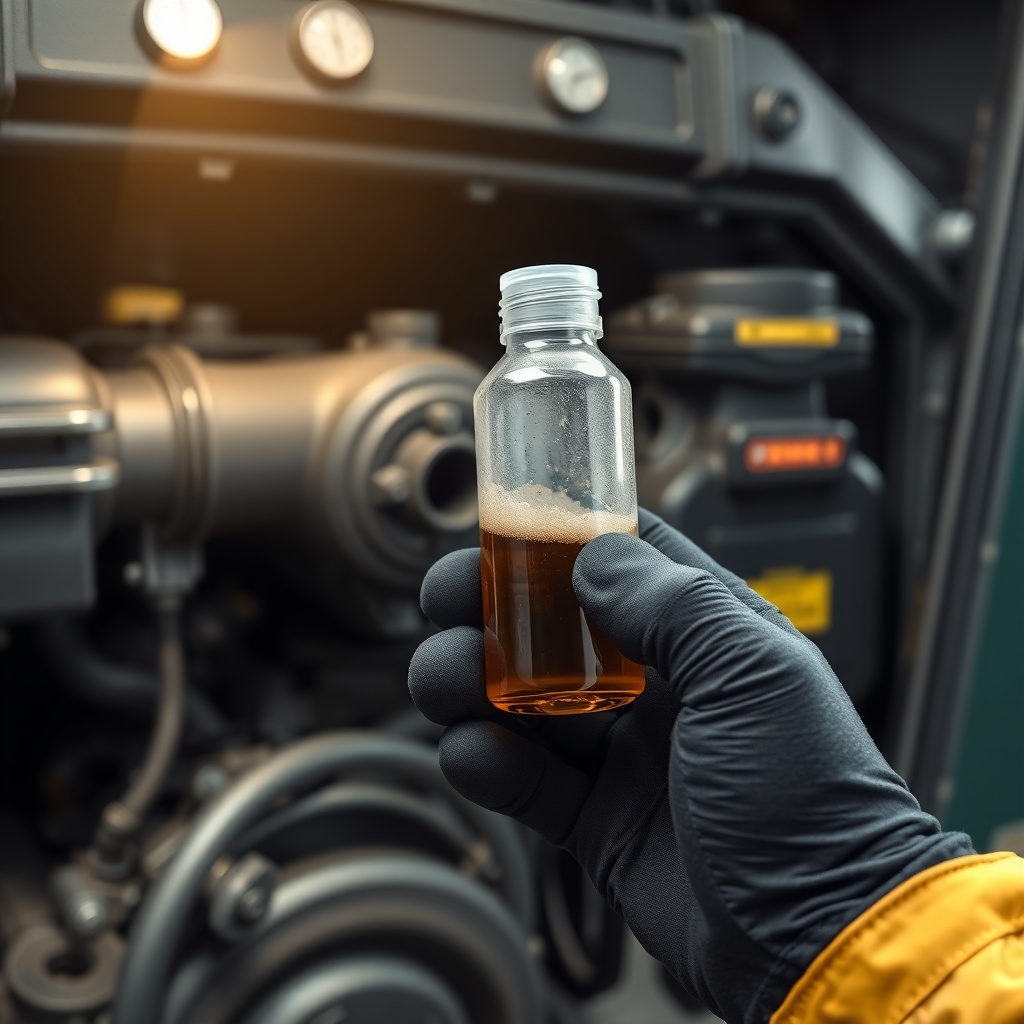
What Are the Warning Signs of a Failing Hydraulic Pump on the BF 600 P-2?
The main variable displacement pump on the BF 600 P-2 is a precision component. Early warning signs include audible whining or groaning from the pump housing, erratic auger or conveyor operation, and a noticeable drop in ground speed under load. Operators should also watch for delayed response when engaging the screed’s hydraulic vibrators. When these symptoms appear, stop the machine immediately. Running a failing pump can send metal debris through the entire system, contaminating valves, motors, and cylinders. A cost-effective first step is to verify the pump’s charge pressure using a test gauge; low charge pressure often indicates a worn pump or a clogged inlet filter, not necessarily a complete pump replacement.
How Do You Correctly Inspect and Clean the Hydraulic Oil Cooler?
The hydraulic oil cooler on the BF 600 P-2 is positioned behind the engine radiator and is vulnerable to debris buildup. Overheating is the primary enemy of hydraulic oil—every 10°C above 60°C halves the service life of the oil and seals. Inspection should be a weekly task. Use compressed air (blowing from the fan side outward) or low-pressure water to remove dust, chaff, and asphalt fines from the cooler fins. Never use a pressure washer directly on the core, as bent fins reduce airflow. Check for oil leaks at the cooler’s hose fittings and for cracks in the aluminum core. A blocked cooler can force the system into a temperature-induced limp mode, severely reducing paving speed.
Which Hydraulic Filters Are Critical on the Bomag BF 600 P-2?
Three filter types are essential: the suction strainer, the return-line filter, and the pilot system filter. The return-line filter, typically a 10-micron high-pressure element, is the most critical for cleanliness. Replace this filter at every oil change. The suction strainer (in the tank) should be cleaned and inspected for metal particles—any sign of glitter means pump or motor wear. Pilot system filters (often a smaller spin-on) protect the control valves and should be replaced every 500 hours. Below is a comparison of the key filters and their recommended replacement intervals.
| Filter Location | Type & Rating | Recommended Interval | Approximate Cost (GBP) | Consequence of Neglect |
|---|---|---|---|---|
| Return-Line Filter | 10μm, high-collapse | Every 1,000 hours / oil change | £45 – £65 | Contaminant recirculation, valve stiction |
| Suction Strainer (Tank) | 100 mesh, washable | Every 500 hours (inspect) | £20 – £30 | Pump cavitation, main pump failure |
| Pilot System Filter | 5μm, spin-on | Every 500 hours | £35 – £50 | Erratic screed & track control |
| Case Drain Filter (if equipped) | 6μm, in-line | Every 1,000 hours | £55 – £75 | Motor seal failure, bypass oil contamination |
How to Properly Bleed Air from the BF 600 P-2 Hydraulic Circuit?
After replacing a filter, hose, or pump, air ingress is inevitable. Air in the hydraulic system causes spongy response, noise, and even component damage. The proper procedure is: start the engine at low idle, then slowly cycle each hydraulic function—lift the screed, extend the conveyors, operate the augers—without applying load. Extend and retract the screed’s extension cylinders to their limits at least three times. Keep the oil reservoir cap loose to prevent pressure buildup, and top off the tank after bleeding. Finally, run the engine at high idle for two minutes with all functions neutral to allow dissolved air to exit through the tank breather. Skipping this step can lead to pump seizure due to aeration.
What Owners Say: Real-World Hydraulic Maintenance Challenges
Experienced Bomag BF 600 P-2 owners frequently highlight the importance of the hydraulic oil cooler cleanliness as a recurring issue. Many report that failing to clean the cooler weekly during hot summer paving leads to oil temperatures exceeding 95°C, which triggers automatic shutdowns. Another common point is the sensitivity of the pilot pressure—owners advise against using universal hydraulic fluids, as they can degrade the seals in the electronic control valves. Several contractors on paving forums note that switching to a fully synthetic HVLP (High Viscosity Low Pressure) hydraulic oil extended their pump life by over 1,500 hours compared to conventional mineral oil. For a broader perspective on how this machine stacks up against a key competitor, read the Bomag BF 600 P-2 vs Vögele Super 1800: In-Depth Comparison.
Frequently Asked Questions
1. What type of hydraulic fluid does the Bomag BF 600 P-2 require?
Bomag typically specifies a mineral-based ISO VG 46 hydraulic oil for ambient temperatures between 10°C and 40°C. For colder climates, use ISO VG 32, and for hotter conditions, ISO VG 68. Always check the manual for the latest approved fluids.
2. Can I use universal tractor hydraulic fluid (UTTO) in my BF 600 P-2?
No. Using UTTO or THF fluids is strongly discouraged. These fluids lack the anti-wear and seal compatibility characteristics required for the high-pressure axial piston pumps and proportional valves found on the BF 600 P-2.
3. How do I check the hydraulic oil level correctly?
Level must be checked with the engine running at idle, the machine on level ground, and all hydraulic functions in neutral. The sight glass or dipstick should read between the minimum and maximum marks. The oil must be at operating temperature (around 50°C) for an accurate check.
4. What causes jerky auger movement on the BF 600 P-2?
Jerky auger movement is often caused by air in the circuit, a worn proportional valve spool, or a failing speed sensor. Start by bleeding the system. If the problem persists, inspect the valve stack for contamination and check the auger motor case drain flow.
5. How often should I replace the hydraulic system pressure relief valve?
The pressure relief valve (PRV) is a precision component that rarely needs replacement. However, it should be tested annually to ensure it cracks at the correct pressure (typically 250 bar / 3,625 psi for the main system). Replace it only if it fails to reseat or if the cracking pressure drifts by more than 10%.
6. What is the most common cause of hydraulic oil foaming on the BF 600 P-2?
Foaming is most commonly caused by a low oil level (allowing the pump to draw air), a loose suction line connection, or a clogged tank breather. Replace the breather annually. Also check that the return line is submerged below the surface of the oil in the tank.