
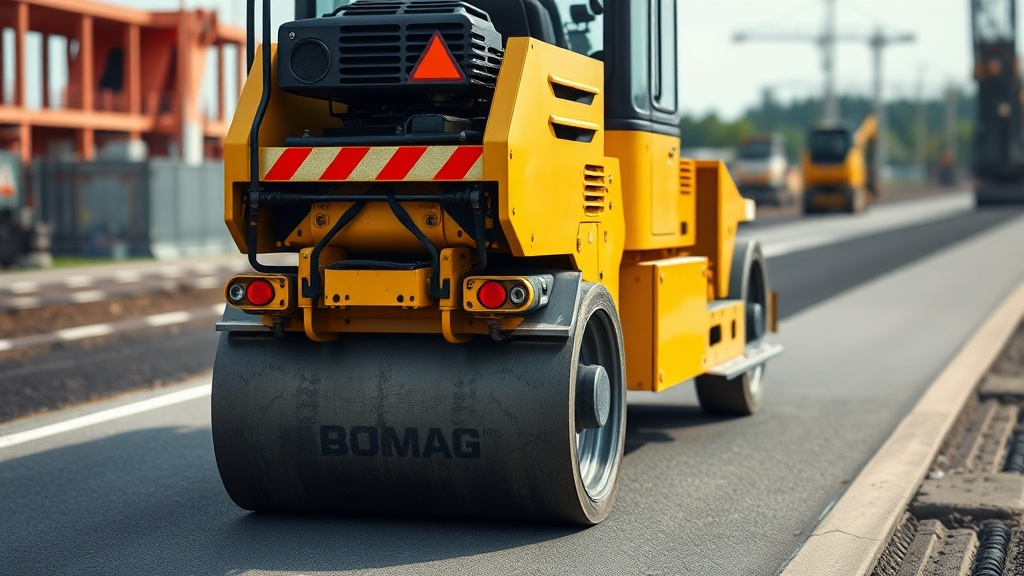
Introduction: Keeping the Bomag BF 600 P-2 Screed in Top Condition
The Bomag BF 600 P-2 is a workhorse on medium to large paving projects, but its screed wear parts endure constant friction, heat, and impact. Neglecting these components leads to poor mat quality, increased fuel consumption, and costly downtime. This guide covers when and how to replace critical wear parts—from screed plates to tamper bars—so you maintain consistent asphalt density and extend the life of your paver.
When Should You Replace the Screed Plates on the Bomag BF 600 P-2?
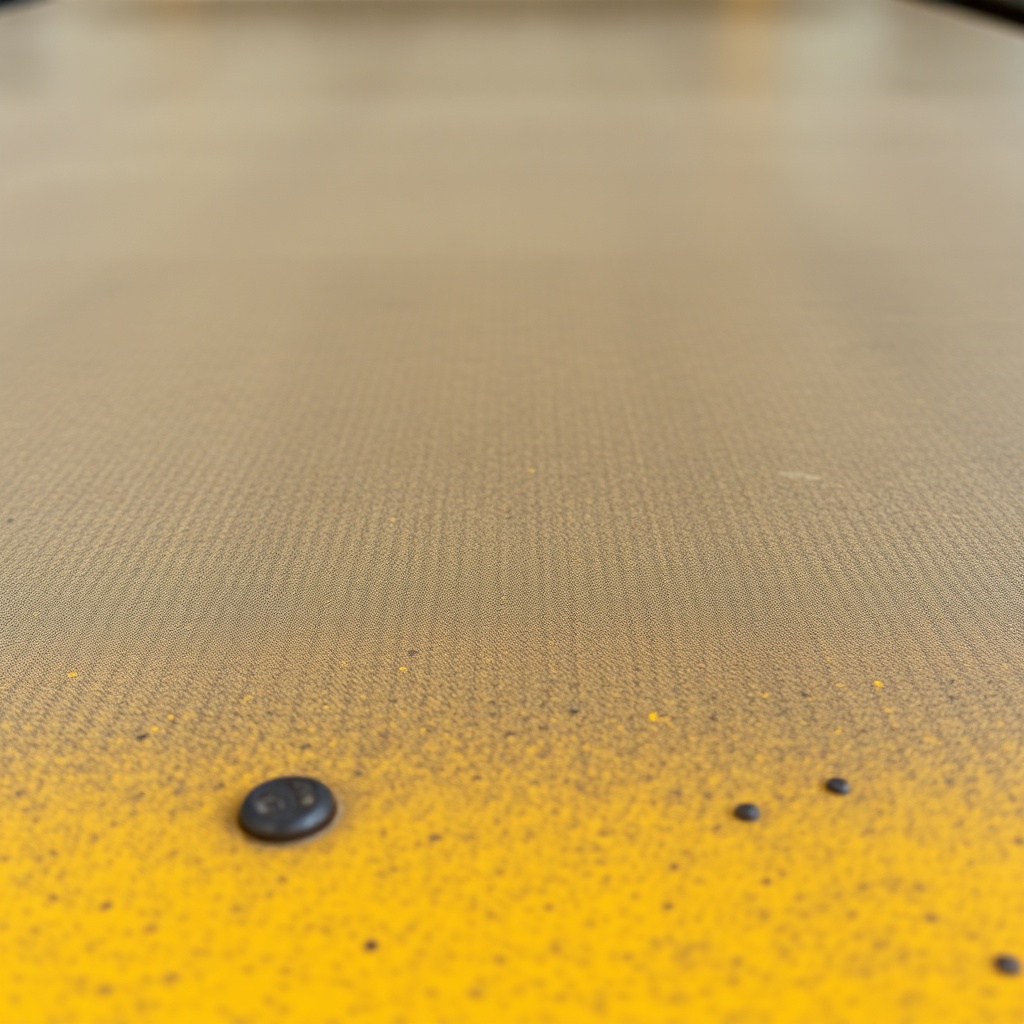
Screed plates are the first line of defense against abrasive aggregate. On the BF 600 P-2, these plates typically last between 800 to 1,200 operating hours under normal conditions, but abrasive mixes or frequent stop/start paving can reduce that to 500 hours. Key replacement signs include:
- Visible grooves deeper than 3 mm on the plate surface.
- Unstable mat thickness or poor surface texture.
- Increased auger load and engine strain.
- Burn marks or discoloration from heat exposure.
Always inspect plates during daily walkarounds. For a complete pre-shift routine, combine this with our Bomag BF 600 P-2 Daily Maintenance Checklist for Peak Performance.
How Often Should Tamper Bars and Pressure Bars Be Replaced?
Tamper bars compact the asphalt before the screed plate, and pressure bars smooth the surface. On the BF 600 P-2, these parts face heavy impact forces. A typical replacement interval is every 400 to 600 hours for high-wear jobs, and up to 1,000 hours on easier work. Warning signs include:
- Visible flat spots or chipped edges on tamper bars.
- Excessive vibration or noise from the tamper unit.
- Uneven compaction leading to roller marks or density variations.
When replacing, always install matched sets to avoid imbalances. This is especially critical if you have upgraded to a high-compaction screed option. If you are troubleshooting density issues, also review our Bomag BF 600 P-2 Screed Heating System Troubleshooting Guide for related heating system checks.
What Is the Replacement Cost for Key Screed Wear Parts?
Prices fluctuate based on supplier, region, and whether you choose OEM Bomag parts or aftermarket alternatives. Below is a realistic cost estimate for common wear parts on the BF 600 P-2, in British Pounds (£):
| Component | OEM Price (each, £) | Aftermarket Price (each, £) | Typical Life (hours) |
|---|---|---|---|
| Screed Plate (main) | £ 240 – 320 | £ 150 – 220 | 800 – 1,200 |
| Tamper Bar | £ 180 – 260 | £ 110 – 170 | 400 – 600 |
| Pressure Bar | £ 95 – 140 | £ 65 – 100 | 600 – 900 |
| Wear Strip (bottom plate edge) | £ 55 – 85 | £ 35 – 55 | 1,000 – 1,500 |
| Heating Element (screed) | £ 310 – 430 | £ 200 – 290 | 1,500 – 2,000 |
Note: These are per-component costs; total replacement for a full screed set (including both sides) can reach £1,200–£2,000 with labour. Budget for periodic replacements to avoid emergency breakdowns.
How to Identify Worn Heated Screed Components?
The BF 600 P-2 uses electric heating elements and thermostats to maintain screed temperature. Worn heating elements cause cold spots that lead to mat cracking or poor adhesion. Symptoms include:
- Uneven temperature across the screed width (check with an IR thermometer).
- Frequent circuit breaker trips or blown fuses.
- Visible corrosion or cracking on element housings.
- Inconsistent heating after warm-up cycle.
If you suspect electrical wear, follow our dedicated Bomag BF 600 P-2 Screed Heating System Troubleshooting Guide before ordering replacements. Testing continuity with a multimeter can confirm if an element is dead.
What Owners Say About Bomag BF 600 P-2 Screed Maintenance
Experienced operators and fleet managers highlight three common themes: the screed’s durability when properly maintained, the cost of OEM parts, and the importance of proactive inspections. One UK-based contractor noted: “We get 1,100 hours out of screed plates on motorway work, but on binder courses with recycled asphalt, it drops to 700. We swap tamper bars every 500 hours now.” Another owner in Scotland shared: “Aftermarket heating elements need more frequent checks—they fail around 1,200 hours versus OEM’s 1,800. But they save £100 each, so it’s a trade-off.” Many agree that following a structured maintenance schedule, including the Bomag BF 600 P-2 Daily Maintenance Checklist for Peak Performance, extends screed life noticeably.
How Does the BF 600 P-2 Compare to the Vögele Super 1800 in Wear Part Replacement?
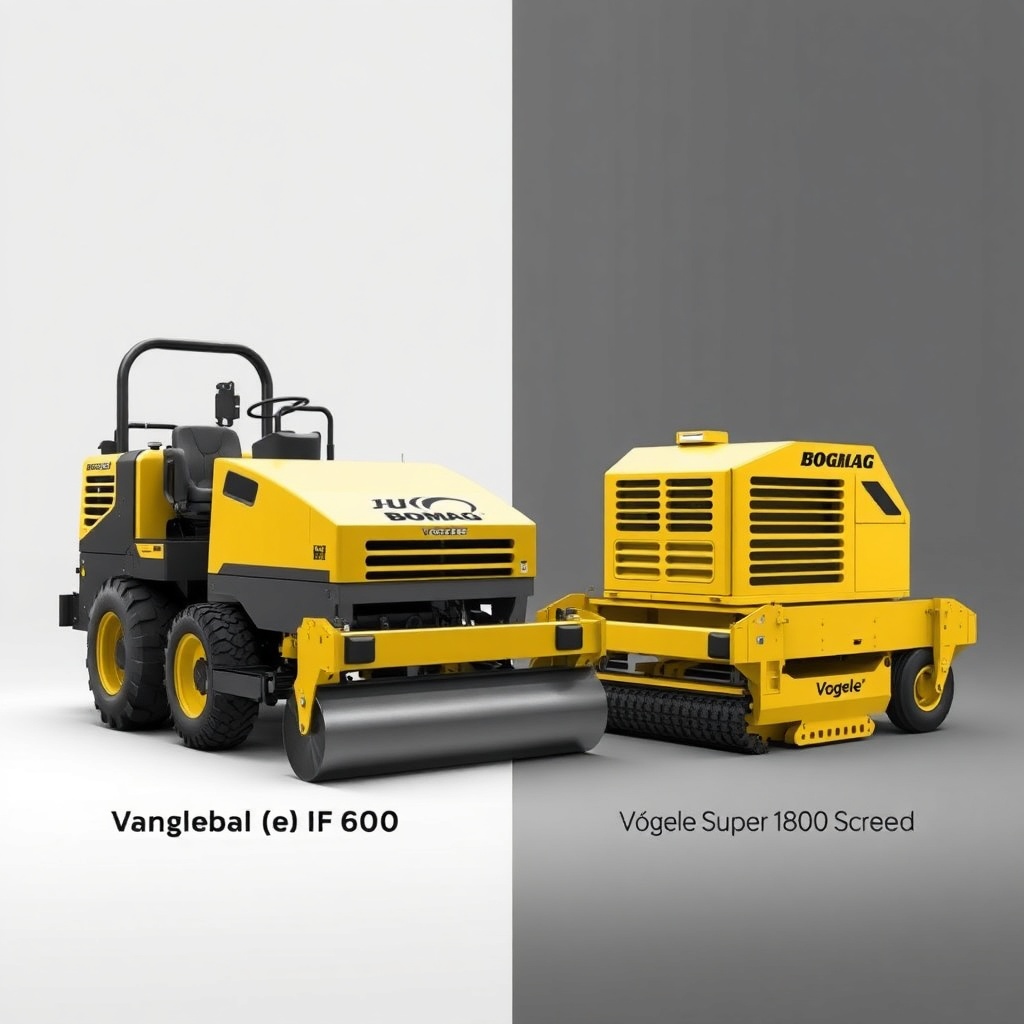
If you are considering alternative machines or upgrades, understanding wear part differences helps. The BF 600 P-2 has a simpler screed plate design with fewer fasteners than the Super 1800’s VarioScreed, making replacements faster but slightly less precise. Key contrasts:
- BF 600 P-2 tamper bars use a single bolt pattern; Super 1800 uses two bolts per bar, increasing change time by about 20%.
- Screed plate thickness is 10 mm on Bomag versus 12 mm on Vögele—this improves durability on the Super 1800 but raises replacement cost.
- Heating element access is easier on Bomag—no need to remove the entire screed box for most replacements.
For a comprehensive machine comparison, read our Bomag BF 600 P-2 vs Vögele Super 1800: In-Depth Comparison. Both machines are reliable, but the Bomag’s lower part count can reduce total maintenance costs over 5,000 hours.
Frequently Asked Questions
Q1: How often should I inspect screed wear parts on the Bomag BF 600 P-2?
Visually inspect daily before start-up, and perform a thorough check every 250 hours. Look for cracks, grooves, and loose bolts. Use the Bomag BF 600 P-2 Daily Maintenance Checklist for Peak Performance to standardise your inspections.
Q2: Can I use aftermarket wear parts to save money?
Yes, but expect a 20–30% shorter lifespan on average. Aftermarket screed plates may wear faster on abrasive mixes. Always verify hardness ratings (HB 400 minimum for plates) from reputable suppliers to avoid premature failure.
Q3: What are the torque specs for BF 600 P-2 screed plate bolts?
Bolts for the main screed plates require 80–100 Nm (59–74 lb-ft). Tamper bar bolts are tighter at 120–140 Nm (89–103 lb-ft). Always use a torque wrench and fresh lock washers to prevent loosening under vibration.
Q4: How do I store spare screed parts to avoid corrosion?
Keep them in a dry, temperature-controlled area away from concrete dust. Apply a thin film of anti-rust oil (e.g., WD-40 Specialist) on machined surfaces. Store tamper bars vertically to prevent distortion.
Q5: Does the Bomag BF 600 P-2 need specialised tools to replace wear parts?
You need standard metric sockets (10–24 mm), a torque wrench, pry bars for tight screws, and a drift punch for aligning tamper bars. No specialised dealer tools are required, but a hydraulic jack helps when removing heavy screed plates.
Q6: What is the biggest mistake operators make with screed wear parts?
Neglecting to check heating elements during plate replacement. A failing element can damage a new screed plate within 50 hours due to uneven thermal expansion. Always test heating before full operation. For a deeper dive, see the Bomag BF 600 P-2 Screed Heating System Troubleshooting Guide.