
Why Is Fuel System Maintenance Critical for the Caterpillar AP555F?
Fuel system maintenance on the Caterpillar AP555F paver is not just about keeping the engine running; it is about ensuring consistent mat quality, fuel efficiency, and preventing costly downtime on a paving project that can cost upwards of £500 per hour in lost productivity. The AP555F, equipped with a Cat C4.4 engine, relies on a high-pressure common-rail fuel system that is extremely sensitive to contamination, water, and degraded fuel. Neglecting this system can lead to injector failure, reduced power, uneven screed heating, and ultimately, a poor finished surface that requires rework.
In the UK, where fuel costs average around 180p per litre for red diesel, maintaining fuel system integrity translates directly to lower operating costs and fewer interruption days on the job. A well-maintained fuel system also supports consistent screed performance, and for more details on that interaction, review the Caterpillar AP555F Paver Screed Heating System Troubleshooting Guide.
What Are the Recommended Fuel Filter Replacement Intervals?
Caterpillar specifies that the primary fuel filter (water separator) and secondary fuel filter on the AP555F should be replaced every 250 hours of operation, or at every engine oil change interval, whichever comes first. In high-contamination environments—such as dusty paving sites near demolition or loose aggregate—the interval should be reduced to 150 hours. Using genuine Cat fuel filters (part numbers 1R-0751 for primary and 1R-0750 for secondary) is essential because aftermarket filters often do not meet the OEM micron rating of 2 microns.
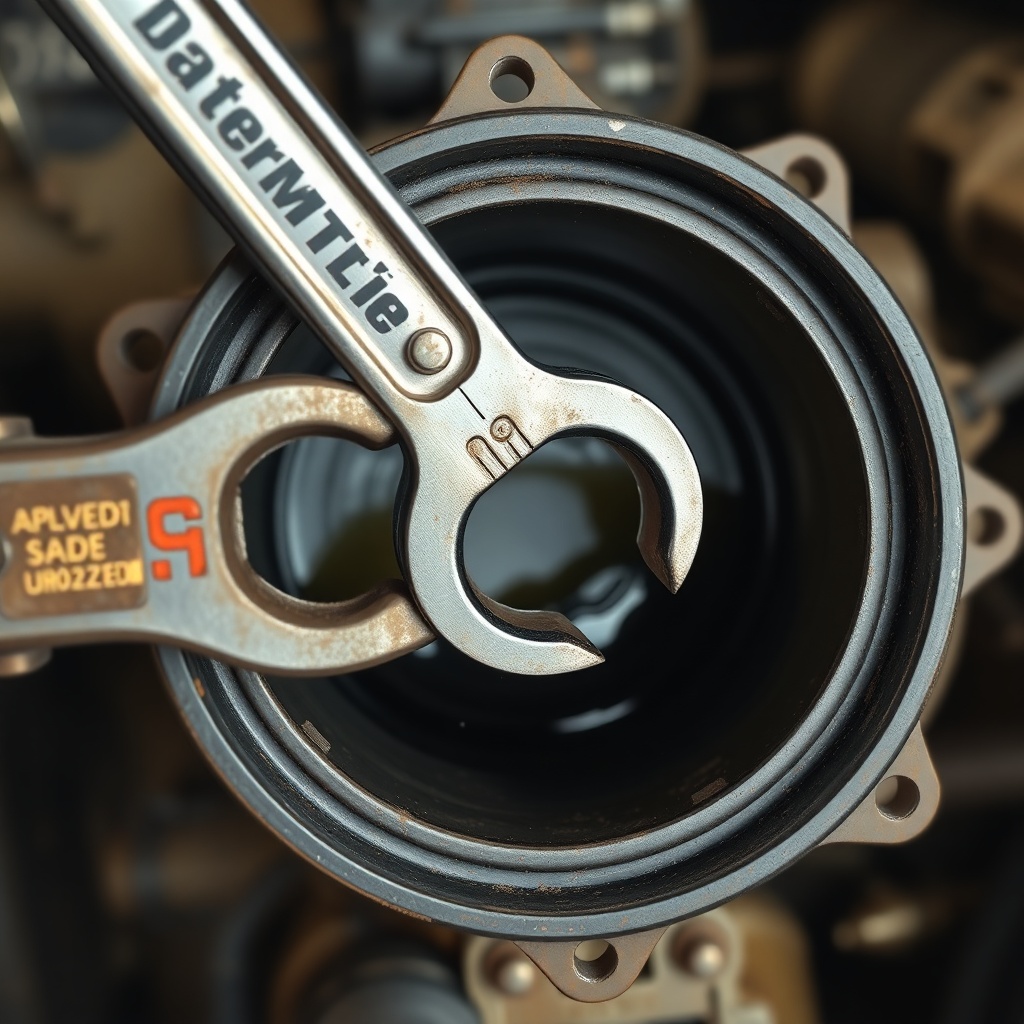
Replacing filters involves draining the water separator bowl (which can hold up to 0.5 litres of water), cleaning the housing seal surface, pre-filling the new filter with clean fuel, and tightening to 25 Nm. Always purge air from the system using the manual priming pump (located on the fuel filter base) until resistance is felt. Skipping this step can cause hard starting and injector damage.
Additionally, the fuel tank cap gasket should be inspected at each filter change—cracks here allow dirt ingress that bypasses the primary filter. Fuel system contaminants are a leading cause of Caterpillar AP555F Paver Screen Systems: A Detailed Review degradation, as debris can reach sensitive hydraulic control valves.
How Does Water Contamination Damage the AP555F Fuel System?
Water is the most destructive contaminant in a common-rail diesel fuel system. The AP555F’s C4.4 engine operates injection pressures exceeding 1,500 bar, and even microscopic water droplets can cause cavitation erosion on injector tips, leading to a loss of injection spray pattern and uneven power delivery to the paver’s drive and screed systems. Water also promotes microbial growth (diesel bug) that forms sludge and clogs filters.
Signs of water contamination include: white smoke at cold start, erratic idle, fuel filter warning light on the dash, and visible rust in the water separator bowl. As a preventative measure, operators should drain the water separator daily—before the first start—by opening the petcock valve on the bottom of the primary filter housing. Collect the drained fuel in a clear container; any visible water layer indicates a problem.
Water Contamination Severity Table
| Water Content in Fuel | Effect on AP555F | Recommended Action |
|---|---|---|
| Below 200 ppm | Minimal risk; normal operation | Monitor at every filter change |
| 200–500 ppm | Reduced injector lifespan; minor corrosion | Replace primary filter; test fuel for microbial growth |
| 500–1000 ppm | Visible white smoke; hard starting; power loss | Drain tank; replace both filters; use fuel biocide |
| Above 1000 ppm | Immediate injector failure; severe engine damage | Stop operation; call Cat dealer for fuel system flush |
Water contamination is often seasonal in the UK, with condensation forming in partly filled tanks during cold, damp nights. Keeping the fuel tank full overnight and using a water-absorbing fuel additive (e.g., Cat Fuel Conditioner) greatly reduces this risk.
Which Fuel Quality Practices Should Be Followed on Site?
Fuel quality on paving sites is often compromised by poor storage and handling. The AP555F requires diesel fuel meeting EN 590 standard (sulphur content below 10 ppm) for UK use. Red diesel used in construction must be sourced from reputable suppliers and stored in clean, sealed tanks. Contamination often comes from: using old fuel from storage drums, topping off with fuel from other vehicles using dirty funnels, and leaving tank caps open overnight.
Best practices include: using a dedicated fuel transfer pump with a 10-micron filter at the dispensing nozzle, never storing fuel in containers that previously held other chemicals, and testing fuel for microbial growth every 500 hours. For long-term storage (over 30 days), use a stabiliser additive. Fuel should never be stored beyond six months without treatment, as diesel fuel oxidation produces gums and varnishes that clog injectors.
Fuel temperatures also affect the AP555F’s performance. On cold UK mornings (below 5°C), the fuel’s cold filter plugging point (CFPP) must be appropriate for winter-grade fuel (typically -15°C for UK winter diesel). Using summer-grade fuel in winter can cause wax crystals to form and block the primary filter, leading to fuel starvation and loss of screed heating function.
What Is the Correct Procedure for Injector Service and Calibration?
Injectors on the AP555F’s C4.4 engine should be inspected every 1,000 hours, with replacement interval typically at 4,000 to 6,000 hours depending on fuel quality and engine load history. Injector calibration codes (also called IQ codes) are stored in the engine ECM; after installing new or reconditioned injectors, the calibration codes must be entered using Cat ET (Electronic Technician) software. This ensures each injector delivers the precise amount of fuel for that cylinder’s specific flow characteristics.
Common symptoms of worn injectors include: excessive smoke (black under load, white at idle), rough running, increased fuel consumption above 8 litres per hour (normal is 5–7 L/h for paver operation), and excessive exhaust temperature differences between cylinders. Servicing injectors involves: removing the valve cover, cleaning injector pockets, loosening high-pressure lines carefully (using two wrenches to avoid line twisting), and replacing copper washers and sealing O-rings.
Injector replacement cost in the UK is approximately £350–£450 per injector (parts and labour), and a full set of six injectors plus calibration can exceed £2,800. While this seems expensive, it prevents catastrophic failure of the entire fuel system—including the high-pressure pump and fuel rail—which could cost £8,000 or more to replace.
How Does the AP555F’s Fuel System Interact with the Screed and Drive Systems?
The AP555F’s fuel system powers not only the track drive and conveyors but also the engine-driven hydraulic pumps that operate the screed heating and vibration systems. A fuel system delivering insufficient pressure (below 4 bar at the high-pressure pump inlet) or contaminated fuel will cause erratic engine speed, which directly affects paving speed and mat smoothness. For example, if the engine governor hunts due to fuel starvation, the paver’s ground speed can vary by up to 0.3 m/min—enough to create visible joint lines in the asphalt.
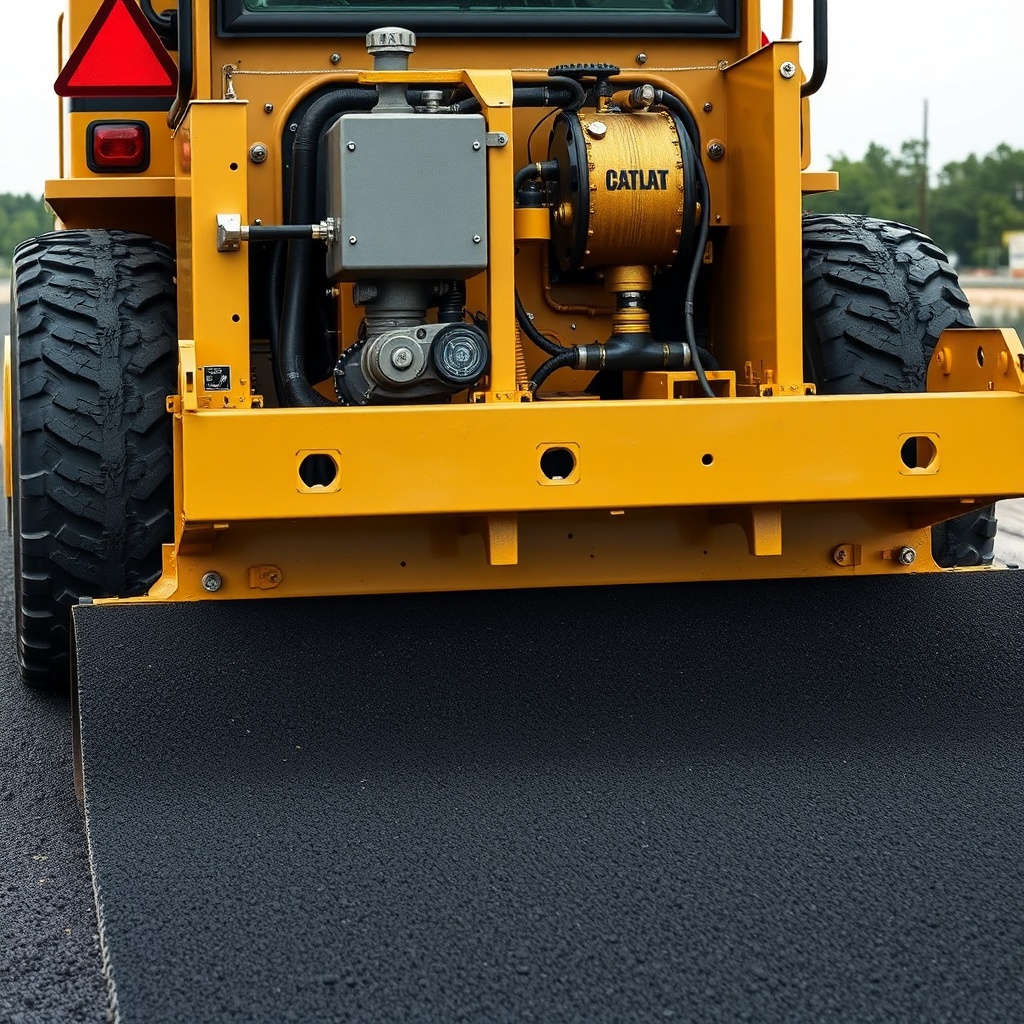
Fuel system issues also impact the electrical system: the fuel pump relay (located in the main control box) can fail if high current draw occurs from a clogged pump. This relay is a common failure point after fuel contamination. Additionally, the fuel-to-water separator’s electrical water-in-fuel sensor can send false signals to the dash if the sensor contacts are coated with varnish. Cleaning this sensor with electrical contact cleaner during filter changes prevents nuisance warnings.
For a deeper understanding of how electrical components interact with the fuel system, refer to the Caterpillar AP555F Paver Screed Heating System Troubleshooting Guide.
What Owners Say About AP555F Fuel System Durability
Owners and operators across the UK report that the AP555F’s fuel system is robust when maintenance schedules are followed, but can be a source of frustration when neglected. Common positive feedback includes: the fuel filters are easy to access on the left-hand side of the engine, the water separator bowl is transparent (allowing visual inspection), and the manual priming pump works well even after filter changes.
Negative feedback centres on the cost of genuine Cat fuel filters—£45 for the primary and £38 for the secondary—which some owners consider expensive compared to aftermarket alternatives. However, those who use aftermarket filters often report injector problems within 500 hours. Another common complaint is the fuel tank capacity (170 litres) being borderline for a full day’s paving (average consumption 6 L/h, so about 28 hours of runtime). Some owners install an auxiliary fuel tank plumbed to the main tank.
Operators also note that the fuel system runs very quiet on the C4.4 engine—no injector clatter—which makes it easy to miss early warning sounds. Relying on the dash display for fuel system warnings (a fuel filter icon illuminates when filter restriction exceeds 5 psi) is recommended. One owner from Staffordshire mentioned that changing the primary filter at 200 hours (rather than 250) eliminated all his cold-start issues.
Frequently Asked Questions
How often should I drain the water separator on my AP555F?
Drain the water separator every day before the first start, especially in wet or humid weather. Even if no water is visible, the act of opening the petcock removes any accumulated sediment from the bowl. In winter conditions, after the machine has cooled overnight, water droplets can condense and settle at the bottom.
Can I use biodiesel blends in the Caterpillar AP555F?
Caterpillar approves up to B20 biodiesel blend (20% biodiesel, 80% conventional diesel) in the C4.4 engine. However, biodiesel has higher water affinity and can accelerate microbial growth. If using biodiesel, reduce fuel filter change interval to 200 hours and test fuel for water content weekly. B20 may also degrade rubber seals in older filter heads; the AP555F uses upgraded seals suitable for biodiesel.
What is the cost of a full fuel system flush for the AP555F?
A professional fuel system flush by a Cat dealer in the UK costs between £600 and £1,200 depending on contamination severity. This includes cleaning the tank, replacing all filters, flushing high-pressure lines, and refilling with clean fuel. If injectors or the high-pressure pump have been damaged, costs rise to £3,000–£6,000.
How do I know if my fuel injector is failing?
Watch for black smoke from the exhaust when the paver is under load (paving uphill), a rough idle that worsens as the engine warms up, and a 15% or greater drop in fuel efficiency. Cat ET diagnostic software can read injector compensation values; if any cylinder shows compensation above 20 mm³/s, that injector needs replacement.
Should I install an auxiliary fuel heater on the AP555F?
For UK paving in temperatures consistently below -5°C, an auxiliary fuel heater is beneficial to prevent waxing in the primary filter. Kits are available from aftermarket suppliers and cost around £400–£700 installed. Heated fuel lines are not standard on the AP555F, so the heater is usually mounted in the fuel supply line between tank and primary filter.
Why does my AP555F lose power after 6 hours of paving?
This often indicates a fuel restriction issue—either a clogged primary filter or a collapsing fuel supply hose. As fuel temperature increases during sustained operation, some hoses soften and can collapse under vacuum from the lift pump. Replace all fuel hoses (low-pressure side) every two years regardless of mileage. Also check the tank vent for blockage, which can create a vacuum in the tank.