
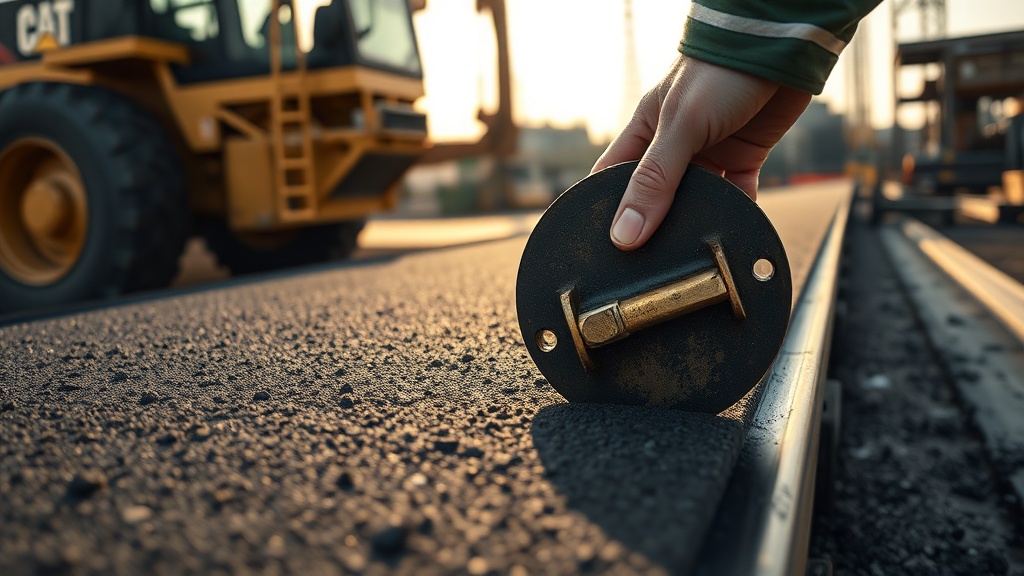
Introduction to Caterpillar AP655F Screed Wear Parts Replacement
Maintaining the screed system on a Caterpillar AP655F asphalt paver is critical for achieving a consistent mat finish and extending machine life. Over time, screed wear parts such as screed plates, wear strips, and tamper bars degrade due to abrasion from hot mix asphalt and constant vibration. This guide provides a structured approach to identifying wear, selecting replacement parts, and performing routine swaps to keep the AP655F operating at peak efficiency.
Proper planning and part selection can reduce downtime, prevent uneven paving, and control operating costs. Whether you manage a fleet or own a single machine, understanding the specific maintenance intervals and replacement procedures for your AP655F will pay dividends in job quality and machine longevity.
How Often Should Screed Wear Parts Be Inspected on the AP655F?
Inspection frequency depends on operating conditions, but a general rule is to check wear parts every 200 to 300 hours of paving time. For contractors working with highly abrasive mixes or on long-haul projects, weekly visual checks are recommended. Key indicators include visible thinning of the screed plate, uneven wear patterns on tamper bars, and increased vibration or noise from the screed assembly.
Many operators tie inspections to regular service intervals, such as when changing hydraulic filters or performing fuel system maintenance. A simple visual and feel inspection can catch early wear before it affects mat quality. Documenting findings in a log helps track wear trends and predict future replacement needs.
Consult the Caterpillar AP655F Screed Heating System Troubleshooting Guide for a complementary maintenance routine that includes heater operation checks alongside wear part inspection.
Which Screed Wear Parts Are Most Commonly Replaced on the AP655F?
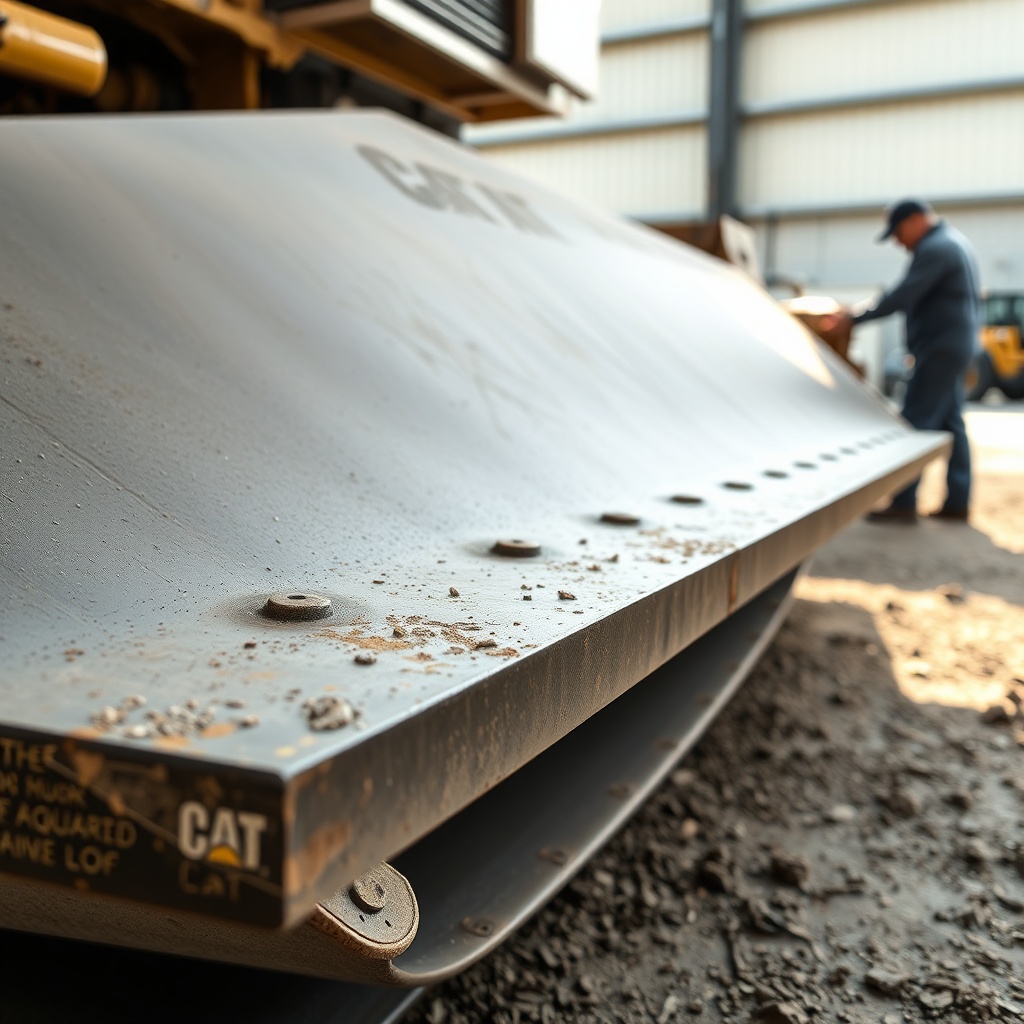
Five primary wear components require periodic replacement on the AP655F screed assembly. The screed plate (or screed pan) is the largest part and takes the most abrasion from hot asphalt. Wear strips on the screed extensions and main screed sides are also replaced regularly, as they protect the structure from side-friction. Tamper bars (also called compaction bars) experience fatigue from continuous vibration and can crack or lose thickness over time.
Additionally, screed extension wear pads and the bottom wear strips on the screed frame are common replacement items. Approximately 70% of wear-part replacements on the AP655F involve these five components. Below is a quick-reference table for typical service life under moderate conditions.
Table 1: Typical Service Life for AP655F Screed Wear Parts (Moderate Conditions)
| Component | Average Service Life (Hours) | Typical Replacement Cost (USD) |
|---|---|---|
| Screed Plate (Main) | 800 – 1,200 | $1,200 – $1,800 |
| Wear Strips (Sides) | 600 – 900 | $400 – $700 |
| Tamper Bars | 500 – 800 | $900 – $1,400 |
| Extension Wear Pads | 400 – 700 | $250 – $450 |
| Frame Bottom Strips | 700 – 1,000 | $300 – $500 |
Prices listed are estimates for genuine Caterpillar parts; aftermarket equivalents may cost 20–30% less but often have shorter service intervals. Always verify part numbers against your specific AP655F serial number prefix.
What Are the Step-by-Step Instructions to Replace the AP655F Screed Plate?
Replacing the main screed plate on an AP655F is a two-person job that requires about 4 to 6 hours. Begin by parking the paver on level ground, engaging the parking brake, and allowing the screed to cool completely. Remove all asphalt residue from the screed surface using a scraper and solvent. Then, disconnect the heating system electrical connectors (refer to this guide for safe disconnection).
Next, loosen and remove the bolts securing the screed plate. There are typically 24 to 36 bolts depending on the screed width configuration. Use a high-torque impact wrench with a proper socket to avoid stripping threads. Carefully slide the old plate off the screed frame; often it requires light hammering from the sides to break the bond. Inspect the frame surface for rust or debris and clean thoroughly.
Install the new screed plate by aligning it with the bolt holes and applying a thin layer of anti-seize compound to the bolts. Tighten bolts in a criss-cross pattern to 120 Nm (88 ft-lb) per Caterpillar specifications. Reconnect the heating system and perform a functional test. For detailed plate alignment tips, see the Caterpillar AP655F Screed Plate Replacement Procedure article.
How Do You Identify Worn Tamper Bars and Replace Them Safely?
Worn tamper bars exhibit visible edge rounding, flat spots on the contact surface, or hairline cracks. During operation, excessive wear may cause increased vibration and poor mat compaction, especially on the outer edges of the screed. To inspect, remove the screed plate first (as described above) to expose the tamper bar assembly. Look for uneven thickness across the bar length—differences greater than 3 mm indicate replacement is needed.
Replacement begins with removing the retaining pins or bolts that hold the tamper bar to the vibrating mechanism. Some AP655F models use a wedge lock system; others use cap screws. Mark the orientation of the old bar to ensure correct installation. After removal, clean the mounting surface and check the tamper bar drive shaft for wear. Install the new bar, tighten hardware to the manufacturer’s torque specification (110 Nm / 81 ft-lb for most AP655F variants), and reinstall the screed plate.
Important: Never operate the screed with a loose or cracked tamper bar, as it can damage the entire screed frame. Always replace tamper bars in pairs (left and right) for uniform compaction. For fuel system checks that may coincide with this maintenance, refer to the Caterpillar AP655F Fuel System Maintenance: A Comprehensive Guide.
What Are the Best Practices for Sourcing AP655F Wear Parts?
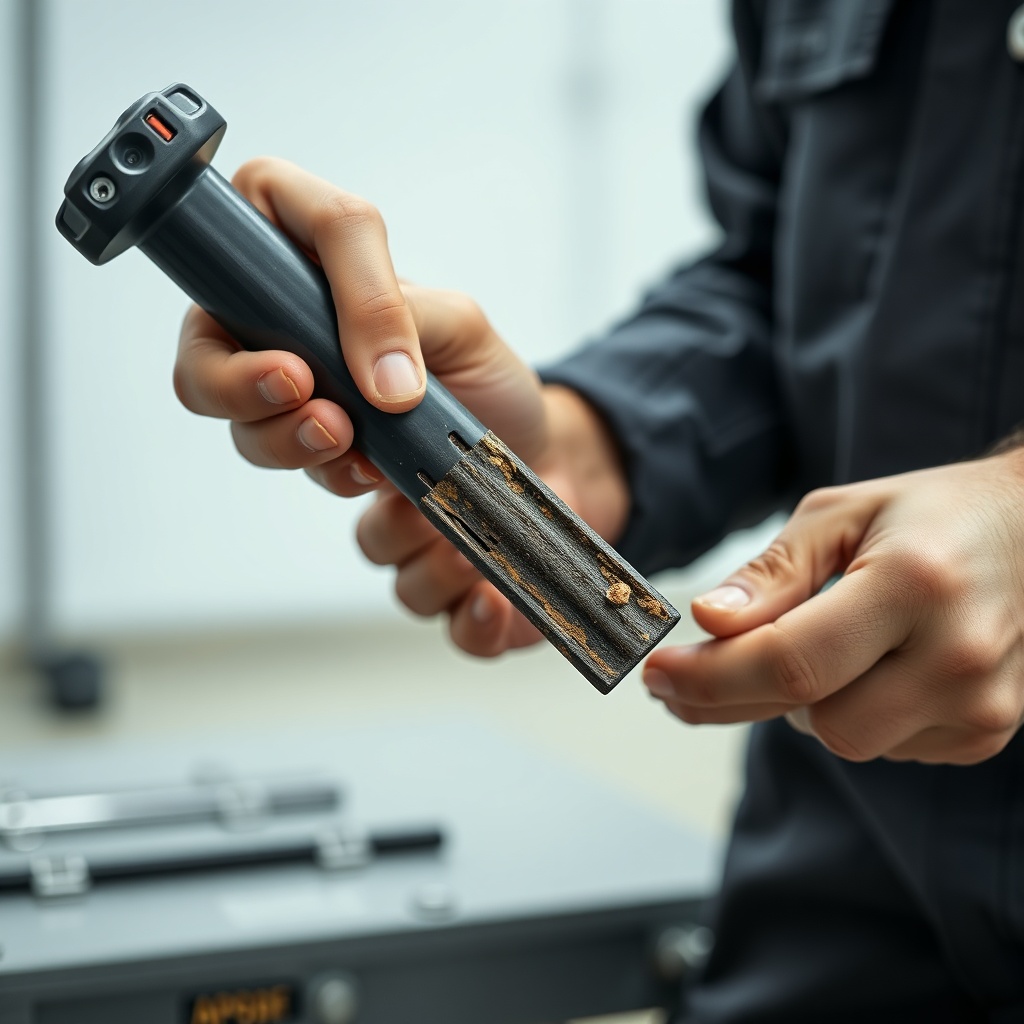
Selecting the right wear parts is not just about price—it is about matching material and design to your paving conditions. Genuine Caterpillar parts are heat-treated and hardened to withstand abrasive asphalt, typically lasting 20–30% longer than generic alternatives. However, aftermarket parts from reputable suppliers (like those carrying ISO 9001 certification) can offer cost savings for less demanding jobs.
When ordering, always provide your machine’s serial number and the part number from your original parts manual. Many dealers offer remanufactured screed plates and tamper bars at a discount. Check the return policy and warranty terms, as some aftermarket parts have limited coverage. For a comprehensive review of aftermarket options, see the Caterpillar AP655F Paver Screen Systems: A Detailed Review.
Additionally, consider buying replacement parts in bulk for frequently changed items like wear strips and tamper bars. This reduces shipping costs and ensures parts are on hand when downtime occurs. Always store new wear parts in a dry, cool area to prevent rust before installation.
What Do Owners Say About AP655F Screed Wear Parts Replacement?
Operators and fleet managers consistently highlight that replacing screed plates and tamper bars improves mat quality noticeably. Many note that after a fresh plate installation, the paver delivers a smoother finish with fewer roller marks. Common feedback includes the importance of not overtightening bolts, which can warp the screed plate. Owners with high-mileage machines report that adhering to the 300-hour inspection schedule reduces unexpected failures.
Several owners mention cost management: replacing wear strips before they fail often prevents damage to the screed extension slides, saving hundreds in repair costs. One paver owner from the southeastern US shared that switching to aftermarket tamper bars saved 30% in replacement costs, but they wear out about 100 hours sooner—a trade-off worth considering. Another operator emphasized that keeping the heating system in good shape (per the heating guide) prolongs wear part life by preventing thermal stress cracks.
Frequently Asked Questions (FAQ)
1. What is the typical cost to replace all screed wear parts on an AP655F?
A full replacement of screed plate, tamper bars, and all wear strips typically costs between $2,500 and $4,000 (USD) for genuine Caterpillar parts, plus about 4–6 hours of labor at shop rates. Aftermarket parts can lower that to $1,800–$2,800.
2. Can I reuse the bolts when replacing the screed plate?
No, Caterpillar recommends using new bolts for each screed plate replacement. Old bolts can stretch and fail under torque, leading to loose plates. Always use bolts that meet the factory grade specification (usually Grade 8).
3. How do I know if my tamper bars need replacement without removing the screed plate?
Inspect the mat for uneven compaction lines or visible vibration marks. During operation, listen for clunking sounds from the screed. Some AP655F models have a visual indicator hole on the side of the screed frame—you can see the tamper bar edge through it.
4. What tools are essential for replacing AP655F screed wear parts?
Standard tools include a high-torque impact wrench (minimum 1,000 Nm rating), socket set (metric), torque wrench (range 50–200 Nm), brass hammer, scraper, and solvent. A 20-ton press is sometimes needed for removing stubborn tamper bars.
5. Is it necessary to replace wear parts on both sides of the screed at the same time?
Yes, always replace left and right tamper bars and wear strips as a pair. Mixing worn and new parts causes uneven compaction and lateral pull during paving, which leads to poor mat quality.
6. How often should I replace the screed extension wear pads?
These pads typically last 400–700 hours, but heavy use on abrasive mixes may require replacement every 300 hours. Monitor extension operation for sticking or binding—this is a clear sign of worn pads that need changing.