
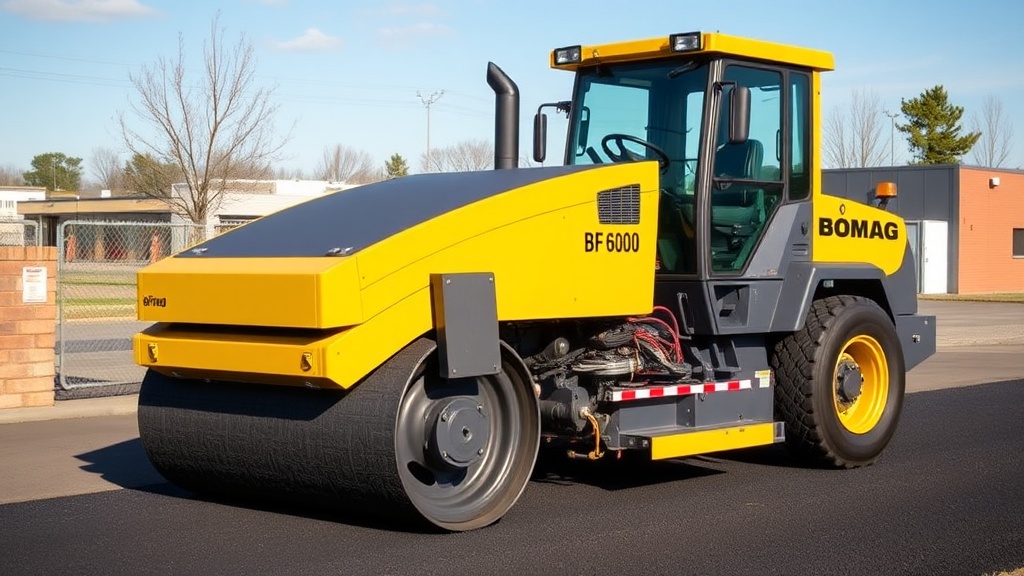
Introduction to the Bomag BF 600 P-2 Material Feed System Upgrade Guide
Maintaining the material feed system on your Bomag BF 600 P-2 is critical for achieving consistent mat quality and preventing costly downtime. This guide focuses on proactive care and upgrade strategies to keep the feed system operating at peak efficiency. By following these recommendations, paving contractors can extend component life and improve overall machine reliability.
How Often Should the Feed System Augers Be Inspected?
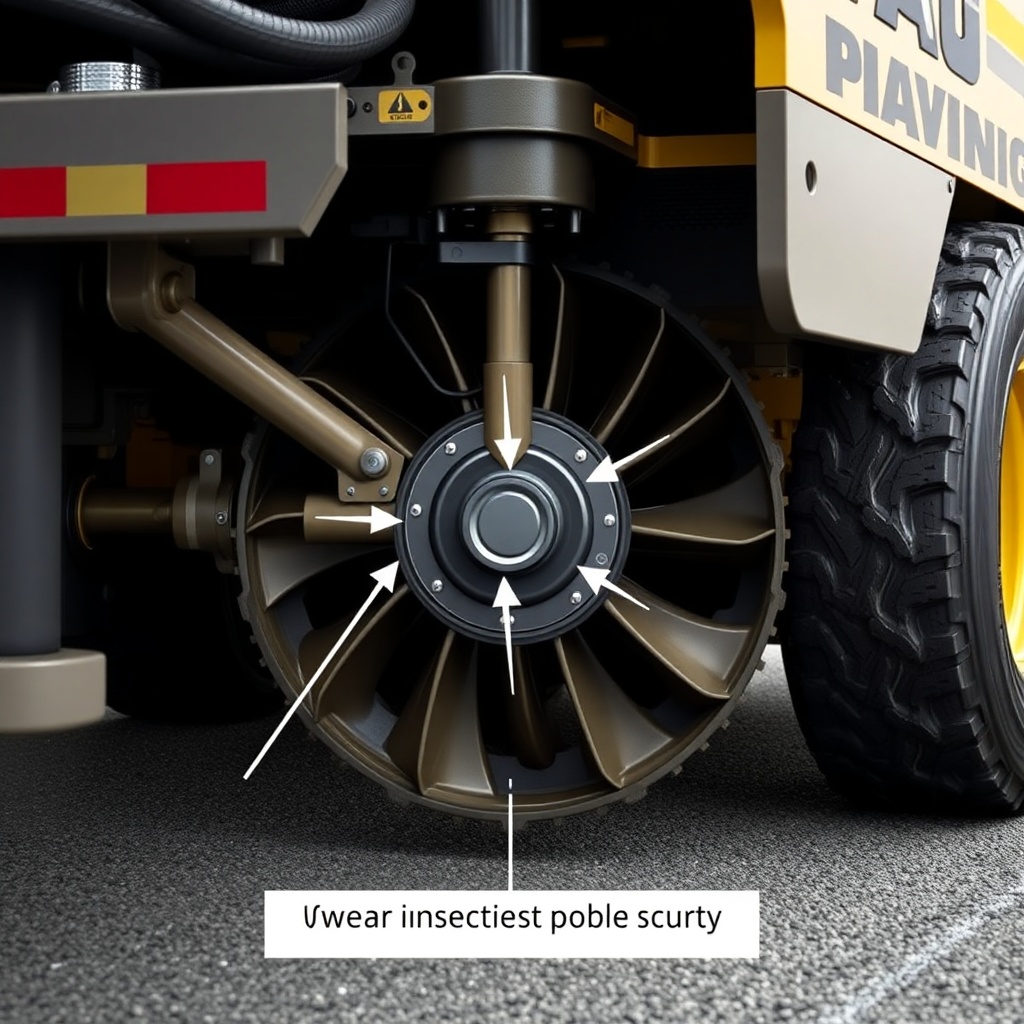
Regular inspection of the augers is the foundation of a reliable material feed system. For the Bomag BF 600 P-2, it is advisable to perform a visual check every 50 operating hours or at the start of each paving week. Key areas to examine include auger flight wear, bearing condition, and the drive chain tension. Worn auger flights can lead to material segregation and uneven mat placement, which directly affects pavement quality. When the flight thickness decreases by more than 15 percent from the original specification (typically 12 mm for new flights), replacement should be planned. Additionally, check the auger bearings for any play or noise; a loose bearing can cause vibration and accelerate wear on the auger shaft. Use a torque wrench to verify that the auger mounting bolts are tightened to the manufacturer’s specification of 450 Nm (332 ft-lb). Addressing these minor issues early can prevent a full feed system breakdown and save significant repair costs. For a deeper look at related system performance, refer to our Bomag BF 600 P-2 Screed System Performance Enhancement Tips for complementary insights.
What Is the Correct Procedure for Adjusting the Conveyor Belt Tension?
Proper conveyor belt tension is essential for consistent material movement from the hopper to the screed. On the Bomag BF 600 P-2, the conveyor belt should be tensioned so that it does not slip under full load but remains flexible enough to avoid excessive bearing stress. The recommended tension is a deflection of 10 to 15 mm when a force of 50 N (11.2 lbf) is applied at the midpoint between the drive and idler pulleys. To adjust, first ensure the machine is on level ground with the engine off and the parking brake engaged. Locate the tensioning bolts on the rear of the conveyor frame. Turn each bolt equally in quarter-turn increments until the correct deflection is achieved. After adjustment, run the conveyor at low speed for two minutes, then recheck the tension, as the belt may settle. Over-tensioning can cause premature wear on the belt edges and pulley bearings, while under-tensioning leads to slippage and uneven material flow. A common upgrade is to install a self-aligning pulley system, which reduces maintenance frequency by automatically adjusting for belt misalignment. For a comprehensive maintenance schedule that includes the conveyor system, see our Bomag BF 600 P-2 Track System Maintenance: A Comprehensive Guide.
How to Identify and Address Material Bridging in the Hopper?
Material bridging, where asphalt mix forms a crust over the hopper opening, is a frequent issue that disrupts feed consistency. The Bomag BF 600 P-2 hopper design features a steep 55-degree rear wall angle to reduce bridging, but it can still occur with sticky or high RAP content mixes. Operators should watch for symptoms such as reduced material flow, increased auger torque, or visible material buildup on the hopper walls. The corrective action involves using the hopper vibrators effectively. Engage the vibrators for two to three seconds at a time, with a ten-second pause between cycles, to dislodge the bridge without compacting the material further. If vibration alone is insufficient, manually break the bridge using a long-handled tool from a safe position outside the hopper. To upgrade the system, consider installing a hopper liner made from ultra-high-molecular-weight polyethylene (UHMW-PE). This liner reduces friction and prevents material adhesion, cutting cleaning time by up to 40 percent. The estimated cost for a UHMW-PE liner kit is between £250 and £400 (or €300 to €480) depending on the supplier. Regular cleaning of the hopper at the end of each shift also prevents buildup from hardening, which can lead to bridging the next day. For related electrical controls that manage the vibrators, refer to the Bomag BF 600 P-2 Screed Electrical System Troubleshooting Guide.
What Are the Key Indicators of Auger Bearing Wear?
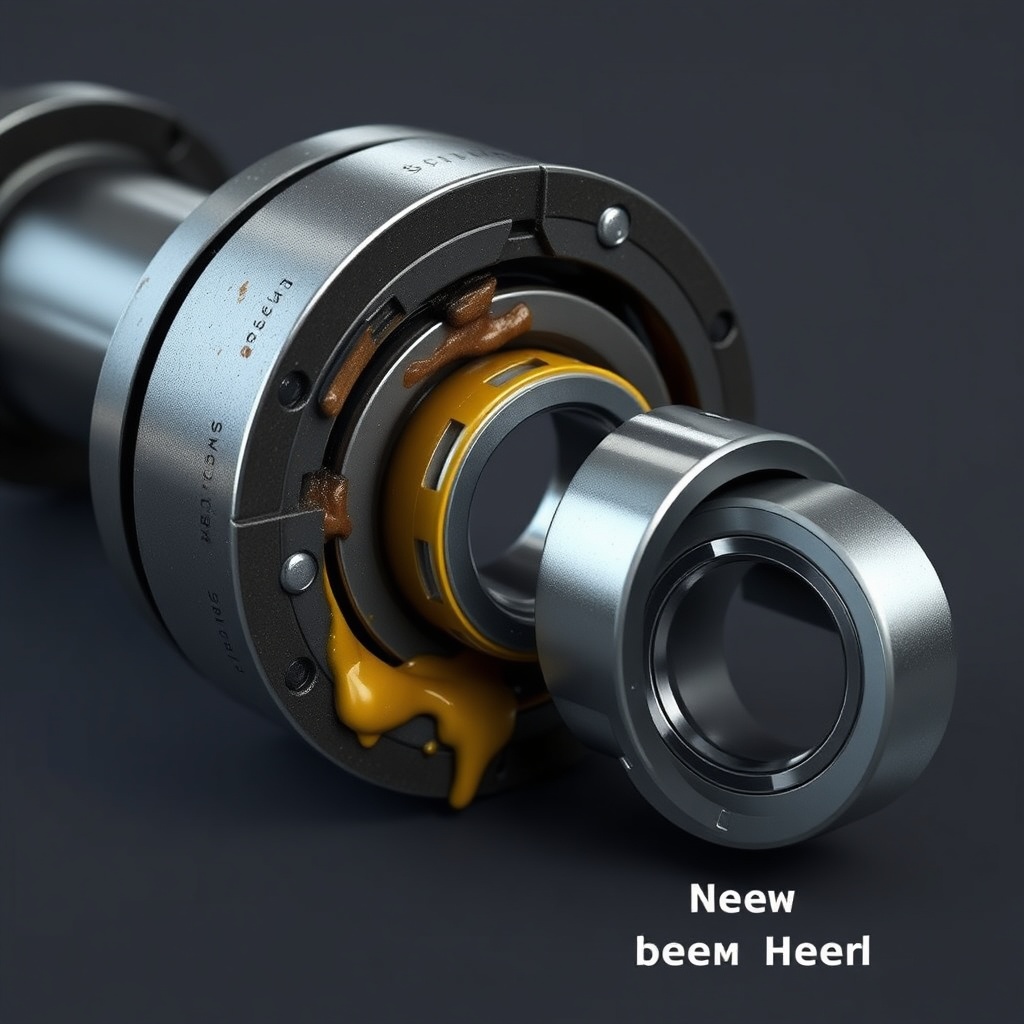
Auger bearings on the Bomag BF 600 P-2 endure heavy radial and axial loads, and their failure can halt paving operations. Key indicators of bearing wear include unusual noise (grinding or clicking) during operation, visible grease leakage from the seals, and increased auger movement (play) when the machine is stationary. A practical test is to lift the auger using the screed controls and manually rock the auger end; any movement exceeding 2 mm indicates bearing wear. The table below outlines the severity levels and recommended actions.
| Indicator | Severity Level | Action Required | Estimated Downtime |
|---|---|---|---|
| Minor noise (intermittent) | Low | Monitor; re-grease every 10 hours | None |
| Constant grinding sound | Medium | Replace bearing within 20 operating hours | 4-6 hours |
| Visible grease leakage | Medium | Replace seal; inspect bearing | 2-3 hours |
| Auger play >2 mm | High | Immediate bearing replacement required | 6-8 hours |
| Auger seizure or excessive heat | Critical | Stop operation; replace bearing and check shaft | 8-12 hours |
The cost for a replacement auger bearing kit (including seals) for the BF 600 P-2 is typically between £120 and £180 (€140 to €215) from authorized dealers. Upgrading to sealed bearings with a higher load rating can extend service intervals to over 1,000 hours. For a step-by-step replacement process, consult our Bomag BF 600 P-2 Screed Plate Replacement Procedure for related mechanical work.
How to Optimize the Feed System for High RAP Mixes?
Paving with high RAP (recycled asphalt pavement) content places additional stress on the material feed system. The Bomag BF 600 P-2 can handle mixes with up to 50 percent RAP if the feed system is properly maintained and upgraded. First, ensure the auger tunnel is clean of any hardened material that can restrict flow. For RAP mixes, increasing the auger speed by 10 to 15 percent above standard can help prevent material segregation, as the recycled particles tend to be coarser. Adjust the conveyor belt speed accordingly to maintain a consistent head of material in front of the screed. A practical upgrade is to install a variable-speed auger control, which allows the operator to fine-tune material delivery based on mix characteristics. The cost for such a control kit is approximately £650 to £900 (€780 to €1,080). Additionally, replacing standard auger flights with hardened steel or tungsten carbide tipped flights can increase wear life by up to three times when handling abrasive RAP. Regular greasing of the auger bearings with a high-temperature lithium-complex grease (operating up to 150°C) is mandatory every 8 hours under RAP conditions. For further guidance on maintaining the entire machine under demanding conditions, see the Bomag BF 600 P-2 Engine System Maintenance: A Comprehensive Guide.
What Owners Say
Owners of the Bomag BF 600 P-2 frequently highlight the robust construction of the material feed system but note that proactive maintenance is essential. John, a paving contractor in the Midlands, reports that “after upgrading to sealed auger bearings, we extended our service intervals from 300 to over 1,000 hours. It was a worthwhile investment.” Several operators emphasize that daily cleaning of the conveyor belt and auger area prevents material buildup that can cause system strain. Another common theme is the importance of monitoring material temperature: running too hot (above 180°C) accelerates wear on all feed components. One owner shared that “installing a hopper liner was the best upgrade I made—it cut our cleaning time in half and greatly reduced bridging issues.” Overall, the consensus is that the BF 600 P-2 delivers reliable performance when owners follow a regimen of regular inspection, timely replacements, and targeted upgrades.
Frequently Asked Questions
1. What is the recommended grease for the auger bearings on the BF 600 P-2?
Use a high-temperature lithium-complex grease with a NLGI grade 2 rated for continuous operation up to 150°C. This type is suitable for the heavy loads and heat encountered near the screed.
2. How often should I replace the conveyor belt on the Bomag BF 600 P-2?
The conveyor belt typically lasts between 1,500 and 2,000 operating hours under normal conditions. Inspect it every 100 hours for edge wear, cracks, or delamination, and replace when the thickness reduces to 50 percent of the original 10 mm.
3. Can I use aftermarket auger flights, and are they reliable?
Yes, aftermarket flights are available and can be reliable if sourced from reputable manufacturers. Ensure they match the OEM specifications for material thickness (12 mm) and hardness (HRC 50-55). Some aftermarket options offer improved wear resistance for RAP mixes.
4. What causes the material feed system to lose pressure?
Pressure loss is often due to a clogged hydraulic filter, low hydraulic fluid level, or a worn hydraulic pump. Check the filter indicator light on the dashboard first. If that is clear, inspect the pump for cavitation noise and the fluid reservoir for proper level.
5. Is it necessary to use a specific type of material for the hopper liner?
Yes, ultra-high-molecular-weight polyethylene (UHMW-PE) with a thickness of 10 to 12 mm is recommended. It offers excellent abrasion resistance and low friction coefficient, specifically designed for asphalt applications.
6. How do I calibrate the auger and conveyor speed for different mix types?
Use the material feed control system in the cab. For standard asphalt, set the auger speed to 60-70 percent of maximum and the conveyor to 40-50 percent. For high RAP mixes, increase auger speed to 70-80 percent and adjust conveyor to maintain a material bed height of 5 to 10 mm above the auger shaft. Run a short test mat and visually inspect for segregation or voids, then fine-tune as needed.