
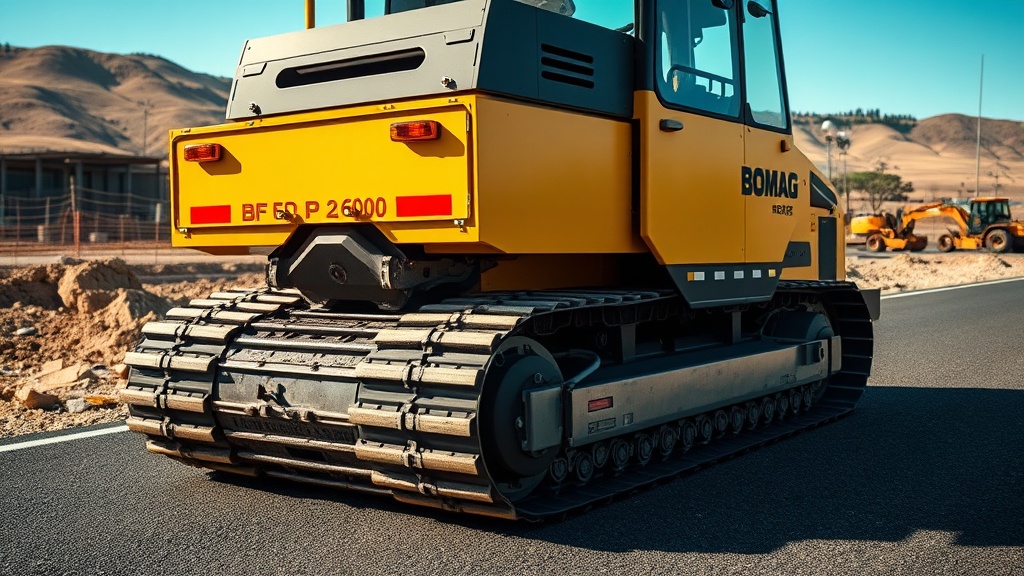
Understanding Bomag BF 600 P-2 Track System Maintenance
The Bomag BF 600 P-2 is a robust tracked paver designed for high production in mid-sized paving projects. Proper track system maintenance is crucial for ensuring machine longevity, preventing costly downtime, and maximizing traction on the job site. This comprehensive guide covers everything owners and operators need to know about caring for the track undercarriage, from daily inspections to wear part replacement schedules.
Track system neglect can lead to premature component failure, reduced paving speed, and increased fuel consumption. By following the maintenance protocols outlined here, operators can extend track life by up to 25% and maintain consistent paving quality. For detailed engine care, refer to our Bomag BF 600 P-2 Engine System Maintenance: A Comprehensive Guide.
How Often Should You Inspect the Track Tension?
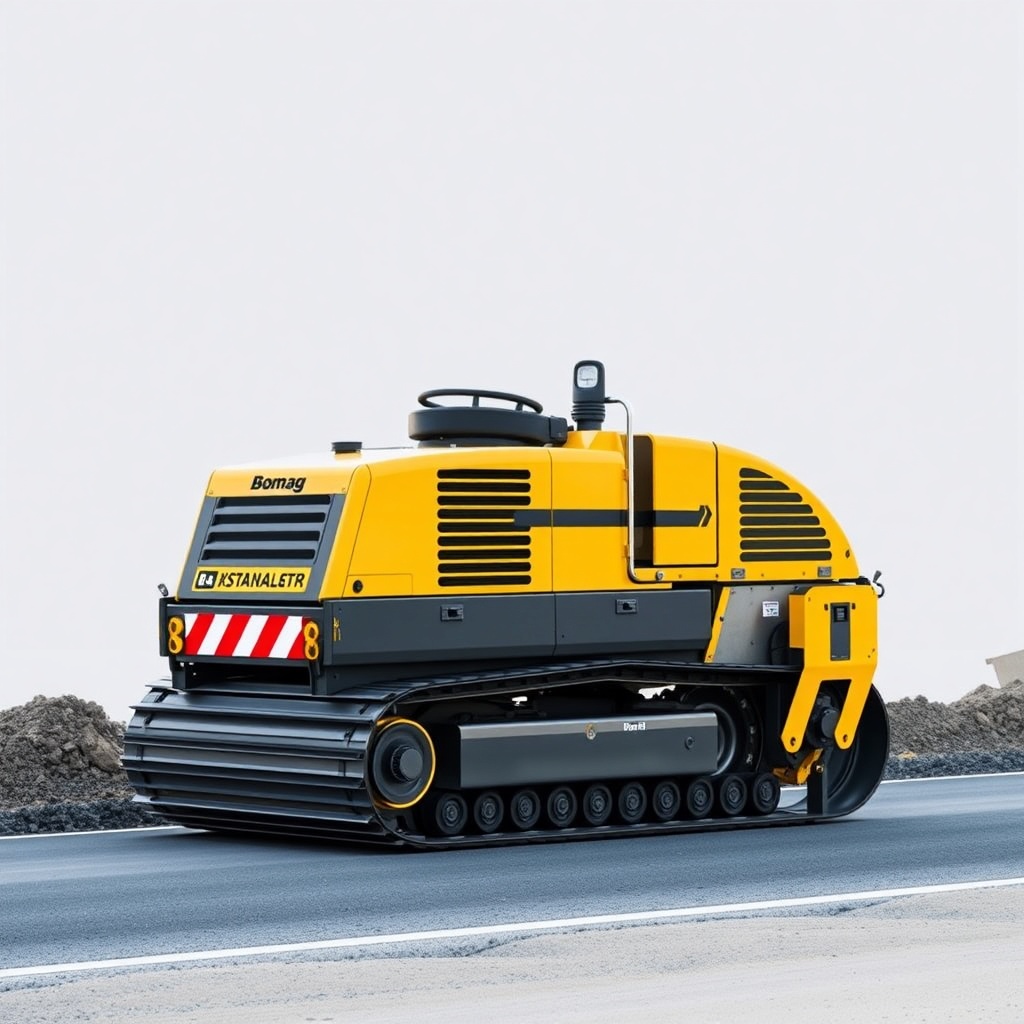
Track tension is the single most critical adjustment for the BF 600 P-2 undercarriage. Incorrect tension accelerates wear on drive sprockets, idlers, and track pins. Bomag recommends checking track sag at the start of every work shift or every 10 operating hours, whichever comes first.
To measure properly, park the machine on level ground, raise the track off the ground using the hydraulic suspension, and measure the sag between the front idler and the top of the track. The acceptable range is 2.5 cm to 4.5 cm (1 to 1.8 inches) with grease fitting pressure at 6.5 bar (95 psi). If sag exceeds 4.5 cm, the track is too loose; if less than 2.5 cm, too tight.
Maintenance tip: Use a reliable grease gun with a pressure gauge. Over-tensioning causes bearing overload, while under-tensioning leads to track derailment. Check the track adjuster seals for grease leaks—a common issue costing around £200 per seal kit replacement.
For detailed screed maintenance intervals, see Bomag BF 600 P-2 Screed Wear Parts Replacement Guide.
What Are the Most Common Track Wear Points on the BF 600 P-2?
The undercarriage of the Bomag BF 600 P-2 comprises several wear-prone components that require regular attention. The table below outlines the key parts, expected lifespan under normal conditions (single shift operation, well-maintained tracks), and replacement costs in pounds sterling.
| Component | Expected Life (hours) | Replacement Cost (£) | Signs of Wear |
|---|---|---|---|
| Track shoes (steel) | 3000-4000 | £1,100 per set | Thinning, cracks, excessive grouser wear |
| Drive sprockets | 2500-3500 | £950 each | Hook wear, missing teeth, noise |
| Carrier rollers | 2000-3000 | £220 each | Flat spots, leaking grease, roughness |
| Front idlers | 2500-3200 | £480 each | Grooves, seal failure, misalignment |
| Track pins and bushings | 2000-2800 | £1,350 per set | Loose joints, elongation, wear |
| Rubber track pads (if equipped) | 800-1200 | £320 per pad | Chunking, delamination, metal exposure |
Track shoes are the first to show wear, especially in abrasive aggregate on asphalt jobs. Operators should measure grouser height every 500 hours; when height falls below 10 mm (3/8 inch), replacement is imminent. For track pins, inspect for side play; more than 3 mm (1/8 inch) indicates immediate replacement.
For related electrical issues affecting screed performance, consult the Bomag BF 600 P-2 Screed Electrical System Troubleshooting Guide.
How Do You Properly Clean and Lubricate the Track System?
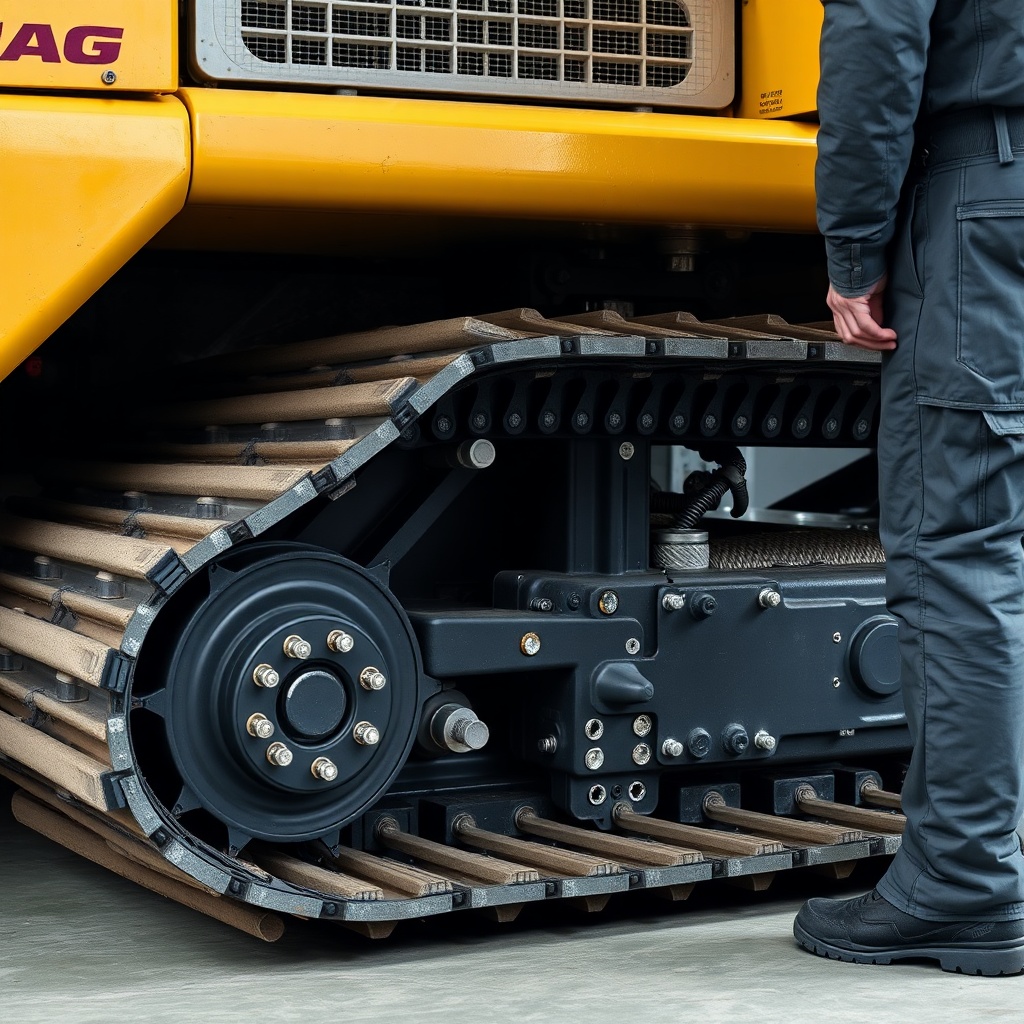
Debris buildup is a major enemy of the BF 600 P-2 track system. Mud, asphalt debris, and loose stones can pack into the track frames and between shoes, accelerating wear. Daily cleaning is essential, especially after wet or sticky material operation.
Cleaning procedure:
- Power wash: Use a high-pressure washer (minimum 200 bar) at the end of each shift. Focus on the sprocket teeth, idler grooves, and between track shoes.
- Manual debris removal: Use a pneumatic chisel or scraper for hardened asphalt lumps. A wire brush helps with rust.
- Drying: If cleaned with water, run the tracked machine forward and reverse for 2-3 minutes to drive out moisture.
Lubrication points:
- Drive sprocket bearings: Grease every 50 hours with NLGI #2 EP grease (1.2 kg per point). Approximate cost for 5 kg bucket: £45.
- Carrier roller bearings: Grease every 100 hours (0.5 kg per roller).
- Track adjuster grease fittings: Use as needed for tension, but never over-grease.
- Track pins and bushings: Some aftermarket greasing systems exist; otherwise, maintain via sealed design (replace as assembly).
Lubricant costs are minimal compared to component replacement. For example, a single drive sprocket costs £950, while a grease gun kit costs under £75. For screed performance tips, see Bomag BF 600 P-2 Screed System Performance Enhancement Tips.
What Are the Signs of Track Misalignment and How to Correct It?
Track misalignment on the BF 600 P-2 causes excessive edge wear and can damage the undercarriage frame. Look for these indicators:
- Uneven wear patterns on track shoes (outer edges more worn than center).
- Track bias—the machine drifts to one side during straight forward motion.
- Noise—grinding or squealing from the track when turning.
- Visible gap between track and carrier rollers on one side.
Correcting misalignment:
- Check track tension first (see above). Loose tracks can cause misalignment.
- Inspect the front idler yoke for damage—bent yokes cost £680 each and must be replaced.
- Check the drive sprocket alignment using a straightedge along the track’s centerline. Sprocket misalignment over 5 mm requires dealer intervention.
- For minor adjustments, shims are available for the carrier roller mounts. A shim kit costs £45 and can adjust roller height by up to 3 mm.
If misalignment persists after these steps, inspect the undercarriage frame for cracks—especially near the drive motor mounting points. Frame repair on a BF 600 P-2 typically runs £1,200-£2,500 depending on severity. For guide on screed plate issues, see Bomag BF 600 P-2 Screed Plate Replacement Procedure.
What Owners Say About Bomag BF 600 P-2 Track Durability
Field feedback from owners and operators of the BF 600 P-2 highlights several key points about track system performance. Many praise the robust track frame design but note that early maintenance pays off.
Positive feedback:
- “We get 3,800 hours from steel shoes with proper daily cleaning and tension checks.”—John, UK contractor (5 years ownership).
- “The grease adjusters are easy to use; we check tension every Monday morning. Zero track derailments in four years.”—Sarah, fleet manager.
- “Replacement costs are reasonable; the carrier rollers last longer than competitors’ models.”—Paul, independent paver owner.
Common concerns:
- “Rubber pads on this model wear faster than I expected—only 900 hours on asphalt.”—Mark, highway contractor.
- “Track pin wear requires careful monitoring; we started checking at 2,000 hours after a bushing failure.”—David, rental company.
- “Sprocket hooks wear unevenly if tracks are mismatched—always replace both sides together.”—Emma, equipment dealer.
Owners consistently recommend keeping a maintenance log. A single track pin failure at 2,500 hours can cost £1,350 for parts plus £400 labour—a preventable expense with routine inspection. For material feed issues affecting track performance, see Bomag BF 600 P-2 Material Feed System Troubleshooting Guide.