

Caterpillar AP555F Hydraulic System Maintenance: Essential Tips
The Caterpillar AP555F is a highly regarded asphalt paver known for its robust performance and precise material placement. Central to its operation is the hydraulic system, which powers everything from the screed to the conveyors and tracks. Neglecting hydraulic system maintenance can lead to costly downtime and expensive component failures. This guide provides essential, practical tips for keeping the hydraulic system of your Caterpillar AP555F in peak condition, helping you protect your investment and maintain productivity on the job site.
Why Is the Hydraulic System So Critical on the Caterpillar AP555F?
The hydraulic system on the Caterpillar AP555F is the lifeblood of the machine. It controls the screed height and slope, the conveyor belts, the augers, and the track drives. Without a properly maintained hydraulic system, the paver cannot achieve the precise mat quality required for modern asphalt paving. Even minor leaks or contamination can cause erratic screed behaviour, uneven material flow, and reduced traction, directly impacting the final pavement smoothness and density.
Regular maintenance ensures that the system operates at the correct pressure and temperature, which is essential for the longevity of pumps, motors, valves, and cylinders. A healthy hydraulic system also contributes to fuel efficiency and reduces the risk of catastrophic failures that can sideline the machine for days. For a complete overview of daily checks, refer to our Caterpillar AP555F Daily Maintenance Checklist for Peak Performance.
What Is the Recommended Hydraulic Oil Change Interval and Cost?
The manufacturer recommends changing the hydraulic oil in the Caterpillar AP555F every 1,500 operating hours or annually, whichever comes first. However, in harsh working environments with high dust or extreme temperatures, shortening this interval to 1,000 hours is prudent. The hydraulic system holds approximately 40 litres of oil.
Using the correct oil is non-negotiable. Caterpillar recommends a high-quality hydraulic oil meeting Caterpillar HYDO (Advanced) or equivalent specifications, typically a 10W or 15W viscosity grade. A 20-litre drum of approved hydraulic oil costs around £85.00 to £120.00 depending on the supplier. The total cost for a full oil change, including the oil and labour, typically falls between £220.00 and £350.00. Always dispose of used oil responsibly through a licensed waste handler.
| Item | Quantity | Estimated Cost (£) |
|---|---|---|
| Hydraulic Oil (per 20-litre drum) | 2 drums | £170.00 – £240.00 |
| Oil Filter Cartridge | 1 | £35.00 – £50.00 |
| Labour (1 hour) | 1 hour | £60.00 – £80.00 |
| Total Estimated Cost | £265.00 – £370.00 |
How Often Should Hydraulic Filters Be Replaced?
Hydraulic filters are the first line of defence against contamination. On the Caterpillar AP555F, there are typically two main filters: a return line filter and a pressure line filter. The return line filter should be replaced every 500 operating hours, while the pressure line filter is normally replaced every 1,000 operating hours. However, if you are performing a full hydraulic oil change, it is best practice to replace both filters simultaneously.
Ignoring filter replacement is one of the fastest ways to degrade hydraulic component life. A clogged filter restricts oil flow, causing higher operating temperatures and increased wear on the pump. A single oil filter cartridge costs between £35.00 and £55.00. Always use genuine Caterpillar filters or high-quality equivalents that meet the manufacturer’s specifications. After replacing a filter, always check for leaks and air in the system before operating the paver.
What Are the Signs of Hydraulic Pump or Motor Wear?
Early detection of hydraulic pump or motor wear can prevent a complete breakdown. On the Caterpillar AP555F, common signs include unusual noise, such as whining or knocking from the pump area, slow or jerky actuator movement (screed raise/lower, conveyor start/stop), and visible external leaks around pump seals or motor shafts. Another key indicator is a drop in system pressure, which can be verified using a pressure gauge connected to the test ports on the main control valve.
If you notice that the screed heating system is also exhibiting issues, it is worth investigating whether hydraulic flow problems are contributing. For a focused guide on that subsystem, see our article on Caterpillar AP555F Paver Screed Heating System Troubleshooting Guide. Addressing pump or motor wear early often allows for a rebuild rather than a complete replacement, saving significant cost. A rebuild kit for a main pump can cost around £400.00 to £700.00, whereas a new pump can exceed £3,000.00.
How to Properly Bleed Air from the Caterpillar AP555F Hydraulic System?
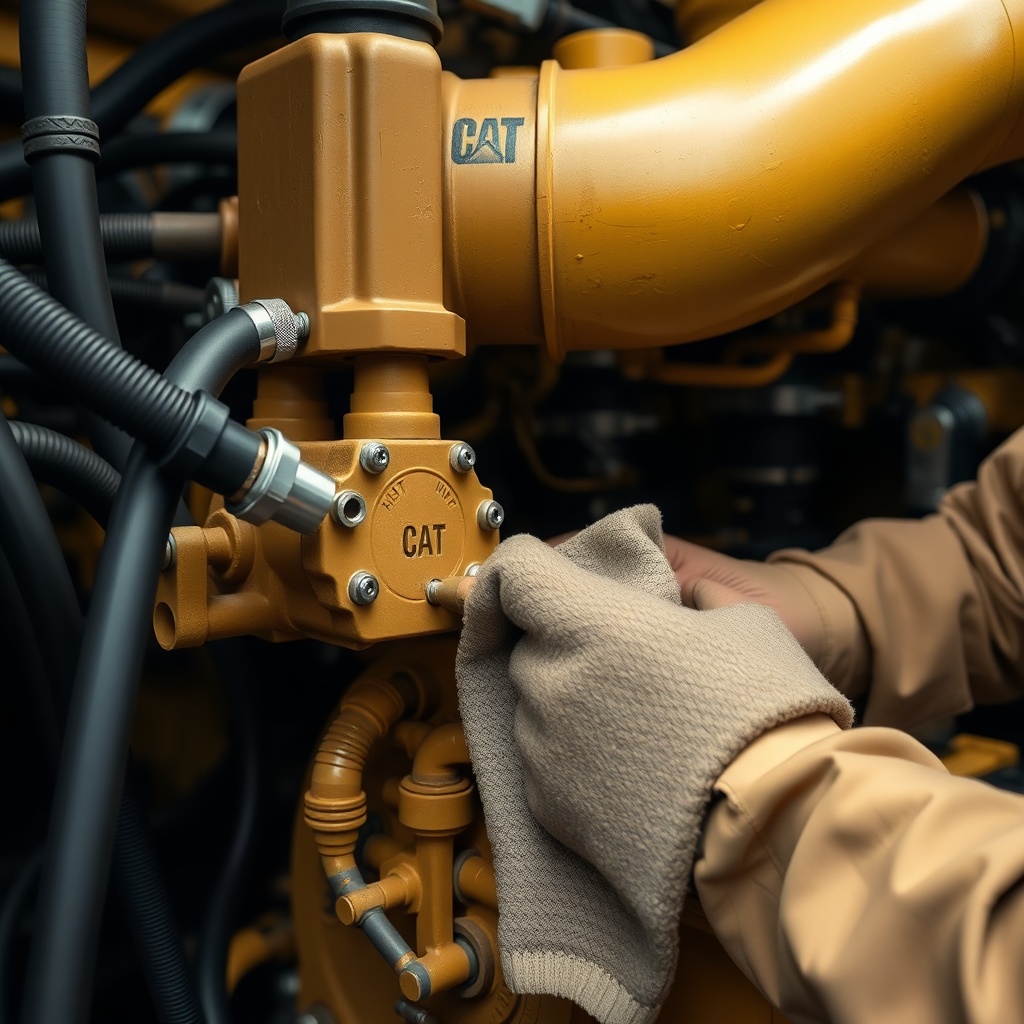
After any component replacement or filter change, air can enter the hydraulic system. Air in the system causes spongy actuator movement, overheating, and potential cavitation damage to the pump. Bleeding the system on a Caterpillar AP555F is a straightforward but critical procedure. Start by ensuring the reservoir is filled to the correct level. Then, start the engine and let it idle.
Cycle all hydraulic functions slowly and fully several times: raise and lower the screed, extend and retract the conveyors, and articulate the augers. This action pushes air bubbles back to the reservoir. For systems with bleed valves (usually on the pump or main control valve), open them slightly while the system is under low pressure until a steady stream of oil (without bubbles) appears, then close them. Always monitor the reservoir level during this process and top off as needed. Never fully operate a function at high speed until the air is purged, as this can cause severe pump damage.
What Owners Say About Caterpillar AP555F Hydraulic System Reliability?
Owner and operator feedback consistently praises the Caterpillar AP555F for its overall hydraulic system robustness, but they also highlight a few common maintenance points. Many users report that the system is very reliable when the oil and filters are changed strictly according to schedule. Several operators noted that the pressure line hoses near the screed are susceptible to abrasion if not properly guarded, leading to sudden fluid loss. A number of owners mentioned the importance of using only genuine filters, as non-spec filters caused premature pump wear in a few documented cases.
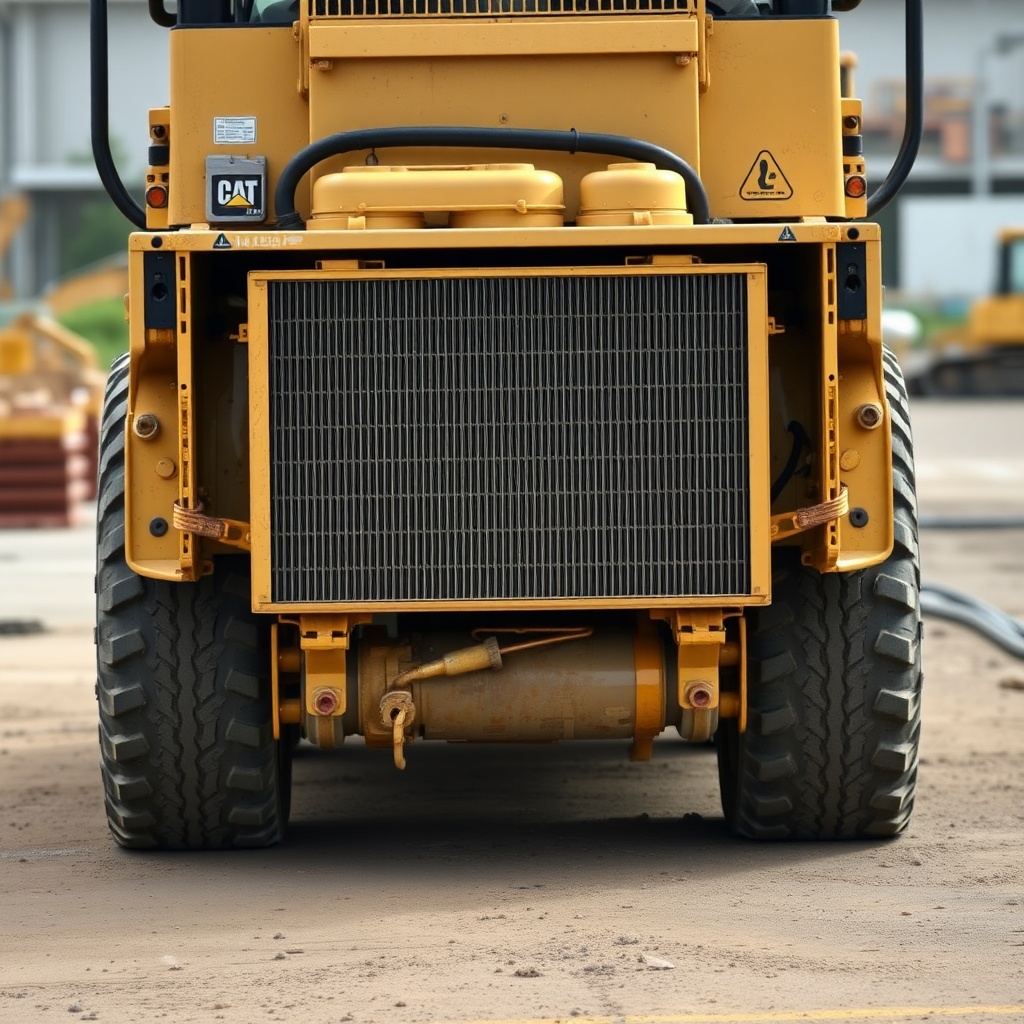
One common tip from experienced crews is to check the hydraulic oil cooler fins regularly for debris buildup, especially when working in the summer. A blocked cooler causes the oil temperature to rise, which accelerates oil degradation and seal failure. Overall, the consensus is that the hydraulic system is a strong point of the machine, provided the owner follows a disciplined maintenance programme. For an in-depth look at another critical system, read our Caterpillar AP555F Paver Screen Systems: A Detailed Review.
Frequently Asked Questions (FAQ)
1. Can I use universal hydraulic oil in the Caterpillar AP555F?
While it is possible, it is not recommended. Using an oil that does not meet Caterpillar HYDO specifications can void warranty and lead to reduced component life. Always use a high-quality oil approved for Caterpillar equipment.
2. How do I check the hydraulic oil level on the AP555F?
The sight glass on the hydraulic reservoir is located on the side of the tank. The machine should be on level ground with the engine idling and the hydraulic functions at operating temperature. The oil level should be between the “ADD” and “FULL” marks.
3. What does a high-pitched whine from the hydraulic pump indicate?
A whine usually indicates cavitation, often caused by a clogged suction filter or low oil level. Stop the machine immediately, check the oil level, and inspect the suction filter for blockages. Running with cavitation will quickly destroy the pump.
4. How often should I replace hydraulic hoses on the AP555F?
Hoses should be inspected daily for chafing, cracking, or blistering. Replacement is typically needed every 3,000 to 5,000 operating hours, but environmental factors can shorten this. Replace any hose showing signs of deterioration immediately.
5. Is it normal for the hydraulic fluid to be dark after 1,000 hours?
Hydraulic oil should gradually darken with use. However, a rapid change to a dark, milky, or burnt-smelling oil indicates contamination with water or overheating. If this occurs, a full oil change and system inspection are necessary.
6. What is the typical hydraulic system operating pressure for the AP555F?
The main system relief pressure is set at approximately 210 bar (3,045 psi) at the pump. Actual working pressure will vary depending on the function being operated. Always consult the machine’s technical manual for exact specifications.
For further maintenance details on the fuel system, which works in tandem with the hydraulic system, consult our Caterpillar AP555F Fuel System Maintenance: A Comprehensive Guide. Additionally, for a comparison with another machine in the class, read our analysis on Caterpillar AP555F vs Bomag BF 600 P-2: Compactor Comparison for Base Course Compaction.