
Bomag BF 600 P-2 Operator Comfort: A Detailed Review
The Bomag BF 600 P-2 is a heavy-duty tracked paver designed for large-scale asphalt projects, yet its operator environment is often an overlooked factor in productivity. This review focuses on the maintenance and care aspects that sustain operator comfort, ensuring the machine performs reliably over thousands of hours. Proper upkeep of the cabin, seat, and control systems directly influences job site efficiency and operator satisfaction.
How Does the Operator Cabin Design Affect Maintenance?
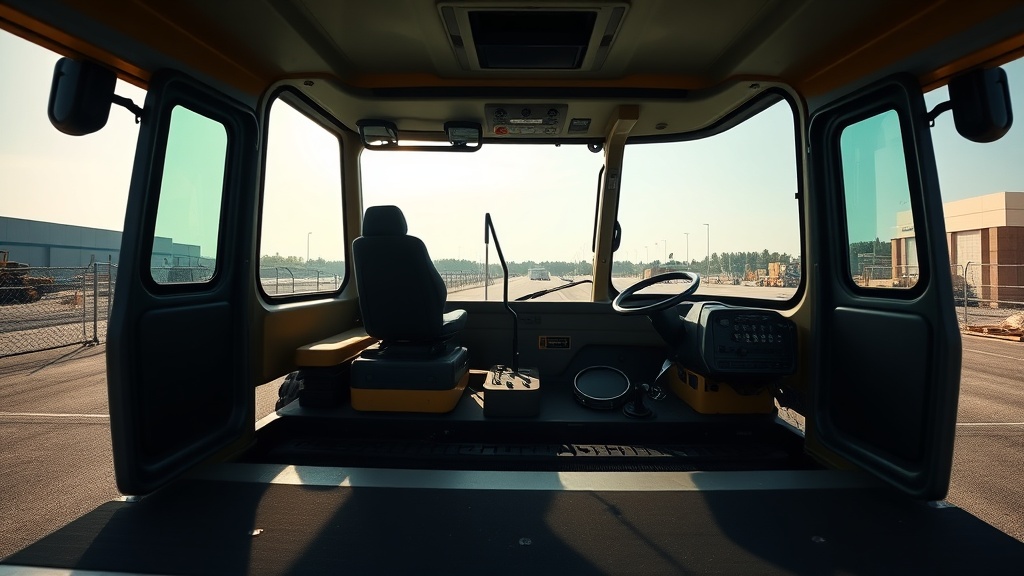
The operator cabin on the Bomag BF 600 P-2 is built with a view toward long shifts and harsh environments, but its longevity depends on routine care. The cabin is fully enclosed with tinted safety glass, which reduces glare and heat buildup, but the seals around windows and the door require inspection every 50 hours of operation. Dirt and asphalt residue can degrade these rubber seals, leading to dust ingress and reduced climate control efficiency. Use a silicone-based lubricant on the seal edges monthly, especially in high-dust conditions, to prevent cracking and ensure the cabin remains pressurised against airborne particles. The air filtration system, including cabin intake filters, should be replaced every 250 hours or more frequently in dusty regions; clogged filters cause the HVAC system to overwork, impacting both comfort and fuel economy. The floor mat is another maintenance point: asphalt spillage can harden on the rubber surface, so clean it with a solvent-based cleaner weekly to avoid slip hazards and premature wear. The cabin’s structural integrity is sound, but operators should check for loose bolts on the mounting brackets every 100 hours—vibration from the screed and tracks can loosen these, affecting noise levels and stability.
Is the Operator Seat Suitable for Long Hours and How to Maintain It?
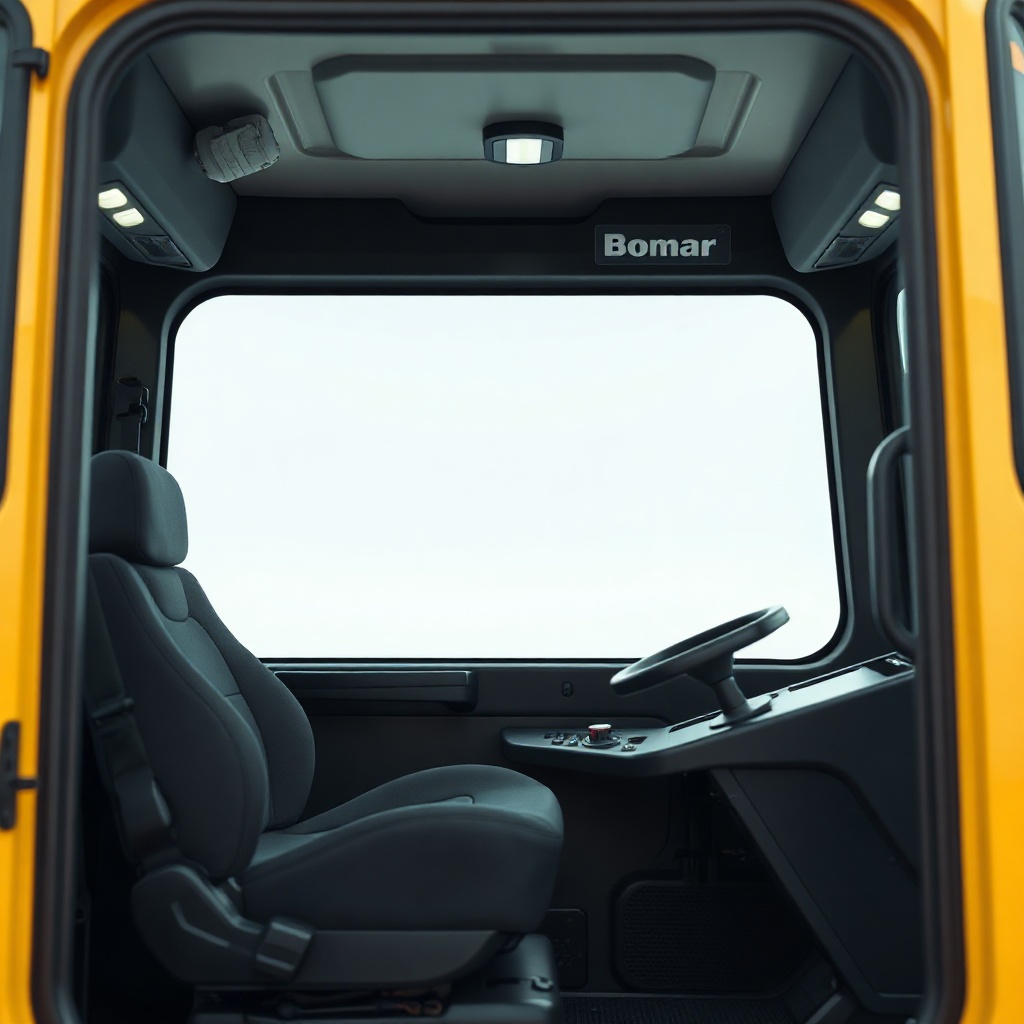
The operator seat in the Bomag BF 600 P-2 is a high-back, air-suspended model with adjustable lumbar support, armrests, and a swivel base. It is designed for all-day comfort, but maintenance is critical to preserve its damping properties. The air suspension system uses compressed air from the machine’s onboard system; the seat height adjustment valve can accumulate dust or moisture, leading to slow or erratic adjustment. Every 200 hours, bleed the air suspension reservoir by cycling the seat up and down while the engine runs, then inspect the air line for cracks or leaks—a simple soapy water test at the connection points works well. The seat cushion foam is high-density polyurethane, but it compresses over time; replace the seat cover and foam assembly every 3,000 hours or if the operator reports sagging. The armrests are adjustable but prone to loosening due to vibration; tighten the pivot bolts to 25 Nm (18 lb-ft) every 500 hours to maintain ergonomic positioning. The seat base features a 75mm travel slide rail; lubricate the rails with a dry graphite lubricant every 100 hours to prevent sticking, especially in cold weather. A neglected seat can cause operator fatigue, increasing error rates. For extended comfort, consider adding a custom gel cushion (not supplied by Bomag), but ensure it does not interfere with the seat’s heating element if equipped. The seat belt system, a three-point restraint, must be inspected for fraying and latch function weekly; replace the entire assembly if any wear is visible, as safety cannot be compromised.
What Are the Key Control Console Maintenance Requirements?
The control console on the Bomag BF 600 P-2 integrates paver speed, screed adjustment, material feed, and diagnostic displays into a central panel. Its maintenance focuses on electrical connections, display cleanliness, and membrane switch integrity. The console is mounted on a vibration-dampening arm that can degrade; every 300 hours, inspect the arm’s pivot joints and tightening bushings—replace them if excessive play is present. The LCD display screen should be cleaned weekly with a microfiber cloth and a mild, alcohol-free screen cleaner; avoid abrasive cleaners that can remove the anti-glare coating. The membrane switches for functions like auger speed and hopper tilt can fail due to asphalt dust ingress; use compressed air at low pressure (max 40 psi) to blow around the switch edges every 100 hours. For deeper maintenance, the console can be removed by releasing four Torx screws; behind it, check the ribbon cables for corrosion or loose connections—seal the back panel with dielectric grease before reattachment. The console’s brightness and contrast settings may drift; calibrate them via the service menu after every 500 hours to ensure readability in direct sunlight. The kill switch and engine start button are often exposed to moisture; apply a corrosion inhibitor spray (e.g., WD-40 Specialist) monthly in wet climates. A malfunctioning console can lead to input errors; the Bomag BF 600 P-2 Material Feed System Troubleshooting Guide covers related control issues. The entire console assembly costs approximately £3,200 to replace, so preventive care is cost-effective.
How Does Vibration and Noise Control Affect Maintenance Intervals?
The BF 600 P-2 is engineered to dampen vibrations through its frame and engine mounts, but these components need care. The engine mounts are hydraulic and rubber composite; inspect them for cracks or fluid leaks every 400 hours. A failed mount increases cabin vibration, directly reducing operator comfort. The cab isolation mounts, four rubber blocks beneath the cabin, should be checked for compression or splitting—replace them at the first sign of damage, as they cost only £180 per set but labour is around £400. The track system contributes to noise; Bomag BF 600 P-2 Track System Maintenance: A Comprehensive Guide offers a full regimen. The engine compartment soundproofing panels deteriorate over time; inspect them for oil saturation or rips every 1,000 hours—replace if they are no longer intact, as they reduce noise by up to 6 dB. The hydraulic pump whine can be mitigated by ensuring hydraulic fluid is at the correct level and filter is clean (replace every 500 hours). Operators should log vibration levels (use a smartphone accelerometer app) during routine startup; baseline readings at 1,200 rpm should be below 0.5 m/s² at the seat base. Higher values indicate mount failure or imbalanced track tension. The cabin door and window seals also affect noise; weatherstrip adhesive should be reapplied if peeling. A quiet cabin reduces fatigue and improves concentration; neglecting these aspects can lead to hearing damage claims.
What Is the Climate Control System Care Regimen?
The climate control system in the BF 600 P-2 includes a heater and optional air conditioning (A/C). A/C maintenance is critical for comfort in summer months. The system uses R134a refrigerant, which slowly leaks through seals; check the sight glass every 200 hours for bubbles, indicating low charge. Recharge costs are about £150 per kilogram, and the system holds 0.8 kg. The condenser, located behind the cabin, accumulates debris (leaves, dust, asphalt particles); clean it with compressed air quarterly, blowing from the inside out to avoid pushing debris further in. The evaporator drain tube can clog with algae or dirt; flush it with distilled water annually to prevent water pooling inside the cabin, causing musty odours. The heater core should be flushed with a chemical cleaner every 2,000 hours if the coolant is not regularly changed; build-up reduces heat output. The HVAC blower motor bearings are sealed but can squeal after 1,500 hours—lubricate the shaft with a few drops of SAE 10 oil through a small hole in the housing, if accessible, otherwise replace the motor (£220). The thermostat control panel is electronic; recalibrate it every 1,000 hours via the service menu to maintain accurate temperature setpoints. A failing climate system can make the cabin uninhabitable in extremes; operators should report any temperature inconsistencies promptly. The Bomag BF 600 P-2 Engine Overheating Troubleshooting Guide addresses overheating issues that affect the cabin’s ambient temperature.
| Component | Interval (Hours) | Task Description | Estimated Cost (£) |
|---|---|---|---|
| Seal inspection—cabin windows/door | 50 | Check for cracks, apply silicone lubricant | 0 (DIY) – £10 for lubricant |
| Seat air suspension bleed | 200 | Cycle seat, inspect air line with soapy water | 0 |
| Console membrane switch cleaning | 100 | Blow out edges with compressed air | 0 |
| Hydraulic pump sound check | 500 | Verify fluid level, replace filter | £80 (filter + fluid top-up) |
| Cabin isolation mount replacement | 2,000±200 | Replace all four rubber blocks | £580 (parts + labour) |
| Climate control refrigerant check | 200 | Inspect sight glass, recharge if needed | £150 per kg (if required) |
How to Care for the Control Interface and Amrest?
The control interface includes joypads and buttons for screed and auger functions. These are sealed but can wear. The joysticks use Hall-effect sensors, which are non-contact but prone to magnetic interference from steel dust; clean them with a demagnetizer every 500 hours. The rubber boots on joysticks crack after 1,000 hours—replace them for £25 each to prevent dust ingress that damages the sensor PCB. The armrests, as mentioned, are adjustable; they also contain a control pod for cruise control and horn. The pod’s surface collects sweat and dirt; wipe it down with a mild detergent daily. The pod’s backlight LED can dim; replace the entire pod if the LED fails (cost £90). The armrest padding compresses; use a foam rejuvenator spray annually to extend life. The Bomag BF 600 P-2 Screed System Performance Enhancement Tips include control responsiveness optimisation. If the armrest feels loose, tighten the mounting bracket bolts to 35 Nm (26 lb-ft); over-tightening can strip the threads. The main control cable harness runs through the armrest base; inspect it for chafing every 300 hours—abrasion can cause intermittent signal loss, mimicking a sensor failure.
What Owners Say About Operator Comfort Maintenance
Experienced operators report that the Bomag BF 600 P-2’s comfort system is robust when maintained, but neglect leads to rapid deterioration. John, a paving contractor from Manchester with 12,000 hours on his unit, says: “The seat air suspension failed at 3,500 hours because I never bled the line—cost me £400 for a new valve block. Now I do it every 200 hours religiously.” Another owner, Sarah from Cornwall, notes that the cabin seals require more attention in coastal environments: “Salt air eats the rubber in 18 months; I replace mine annually to keep the cabin pressurised and quiet.” Several users recommend upgrading to a heated seat element (approx £180) for colder climates, though it’s not a factory option. A fleet manager in Birmingham observes that the console screen lasts longer if operators use a screen protector: “The anti-glare coating wore off after 2,000 hours; a £5 tablet screen protector cuts glare and saves the display.” The most common complaint is HVAC clogging from road debris; installing a mesh grille over the front intake (custom fabrication, about £50) significantly improves reliability. Overall, owners emphasise that spending an extra 15 minutes per week on these tasks saves hundreds in repairs and keeps operators fresh for longer shifts. The Bomag BF 600 P-2 Screed Plate Replacement Procedure is another common reference point for those doing their own maintenance.
Frequently Asked Questions
Q: How often should I lubricate the seat slide rails?
A: Every 100 hours with a dry graphite lubricant to prevent sticking, especially in cold or damp conditions.
Q: Can I replace the cabin air filters myself?
A: Yes, they are located behind a panel inside the cabin; replacement takes 10 minutes and costs about £30 per filter.
Q: What is the cost to repair a leaking A/C system?
A: Diagnosis and seal replacement ranges from £200 to £500, plus recharging with R134a (£150 per kg).
Q: How do I know if the engine mounts are failing?
A: Increased cabin vibration at idle, visible cracks in the rubber, or fluid leaks are key signs—replace at the first symptom.
Q: The joystick feels sticky—what is the fix?
A: Clean the rubber boot with alcohol and apply silicone spray; if the boot is cracked, replace it (£25) to keep out debris.
Q: Does the cabin have a heating system only, or full AC?
A: Standard is heater; AC is optional but recommended for comfort—both require regular maintenance as outlined above.