
Introduction
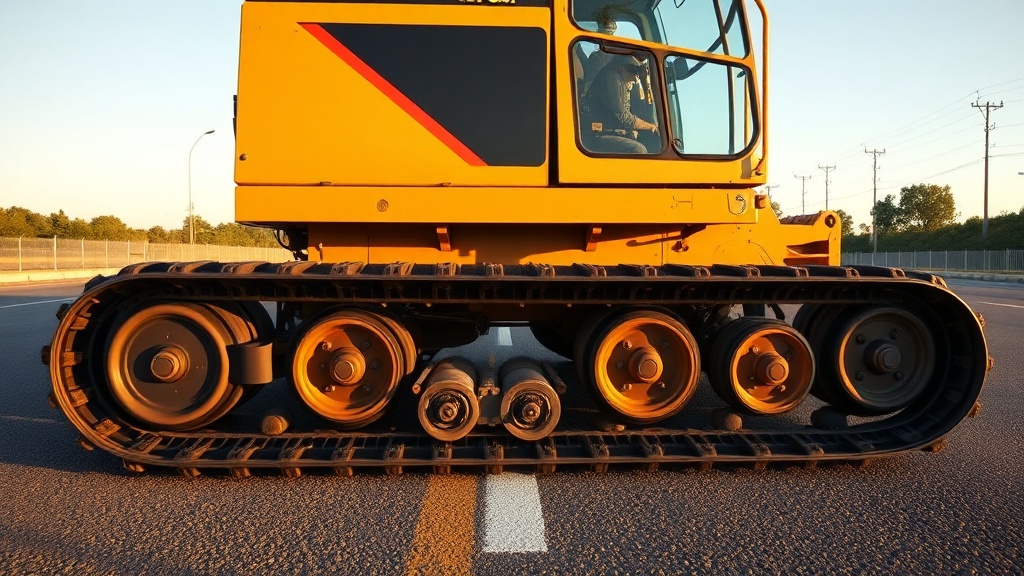
Proper track system maintenance is essential for maximizing the performance and longevity of the Caterpillar AP555F asphalt paver. The track undercarriage bears the full weight of the machine and the hot-mix load, enduring abrasive debris, high temperatures, and rough terrain on every paving job. This comprehensive guide covers all critical aspects of maintaining the AP555F track system—from daily inspections to tension adjustments and component replacement—helping owners reduce downtime and control operating costs, which can reach £45–£65 per hour in fuel and wear.
Why Does the Caterpillar AP555F Track System Require Dedicated Maintenance?
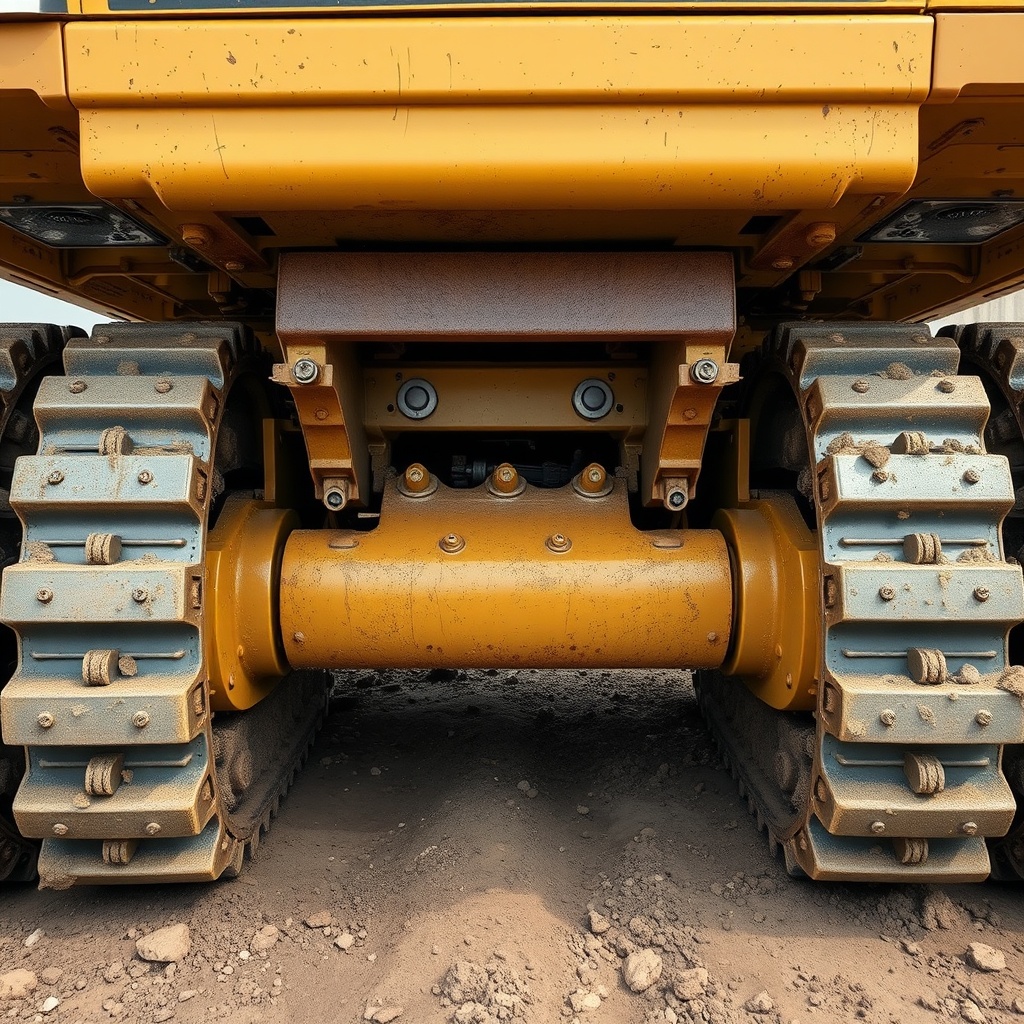
The AP555F uses a sealed and lubricated track (SALT) system that relies on robust bushings, rollers, and sprockets. Even minor contamination—such as sand, gravel, or asphalt residue—accelerates wear on these components. Daily inspections help catch loose hardware, damaged seals, or worn pins before they cause a track separation, which can cost between £1,200 and £2,800 to repair on-site. Regular maintenance also ensures consistent traction and flotation on soft surfaces, preventing slippage that leads to uneven mat quality and operator fatigue.
- Track pad wear: Replacement intervals range from 800 to 1,200 hours depending on material and ground conditions.
- Roller and idler damage: Leaking seals or flat spots reduce ride quality and increase vibration.
- Sprocket tooth wear: Worn sprockets cause chain jump and drivetrain stress.
For deeper engine care, refer to our guide on Caterpillar AP555F Engine System Maintenance: A Comprehensive Guide.
How Often Should You Inspect the Track Undercarriage on the AP555F?
Manufacturer guidelines recommend a visual inspection after every 8–10 operating hours (daily) and a detailed inspection every 250 hours or monthly, whichever comes first. However, harsh job conditions—such as heavy traffic, abrasive aggregates, or wet clay—demand more frequent checks. Owners working in urban paving where kerbs and manhole covers are common should inspect track pads and grousers every shift for cuts or delamination.
| Inspection Interval | Focus Areas | Typical Replacement Trigger |
|---|---|---|
| Daily (8–10 hours) | Pad condition, roller seals, sprocket teeth, tension | Cracked pad, oil leak, missing bolt |
| Weekly (40–50 hours) | Bushing wear, track sag, idler alignment | Bushing diameter loss >4 mm |
| 250 hours | Pin/bore wear, track sag measurement, roller flange thickness | Pin diameter <57 mm, flange <12 mm |
| 1,000 hours | Complete undercarriage measurement, sprocket replacement | Sprocket tooth height <22 mm |
Track tension should be verified using the deflection method: the track should sag 15–25 mm at mid-span when measured with a straightedge under 50 kg of downward force. Incorrect tension increases wear on bushings and roller flanges by up to 30%.
What Are the Key Components to Monitor for Wear?
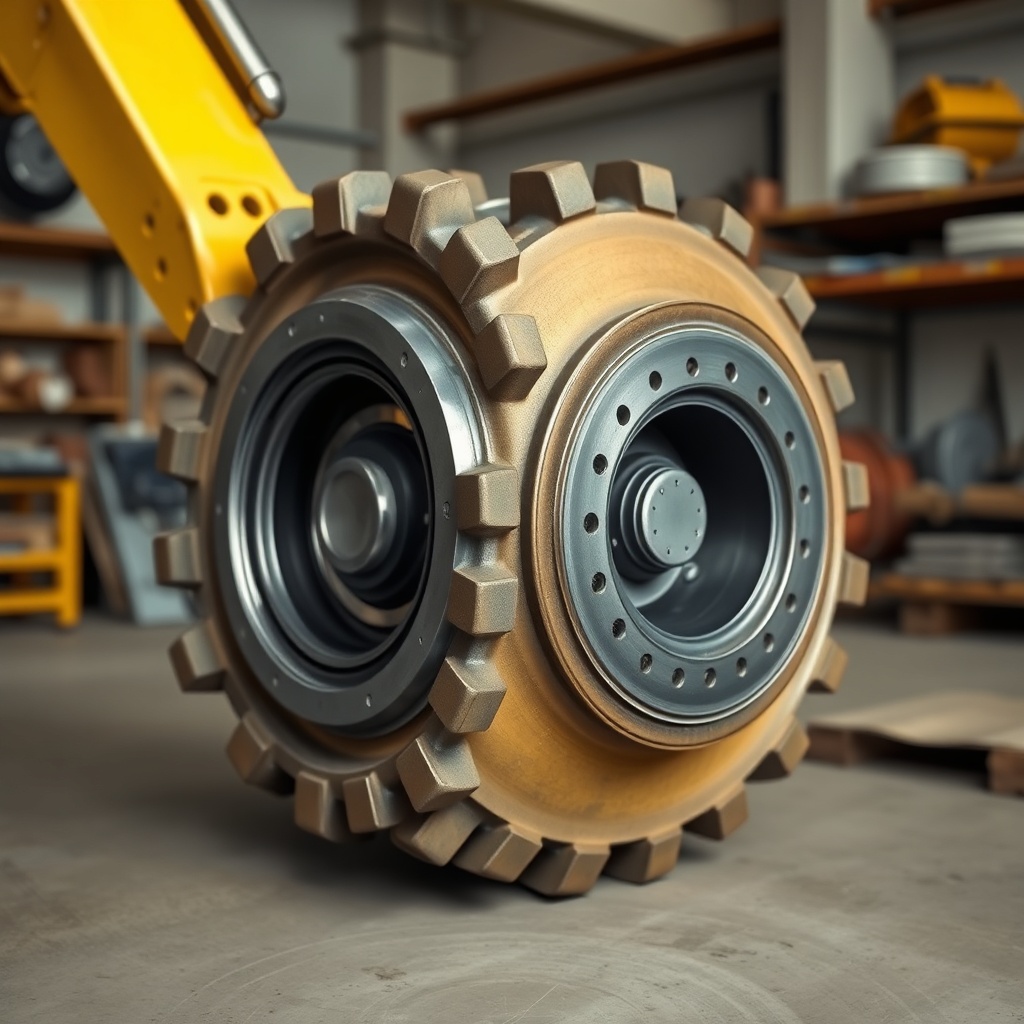
The AP555F track system comprises several wear-intensive parts that need regular evaluation:
- Track pads: Rubber or composite pads protect ground surfaces but degrade from heat and cuts. Replace when tread depth falls below 5 mm or when delamination exposes the steel backing.
- Rollers (carrier and track): Check for smooth rotation, seal leak, and flange wear. Rebuild or replace when flange thickness drops below 14 mm.
- Idlers: Inspect for flat spots on the rim and seal weepage. Excessive wear causes track misalignment.
- Sprockets: Worn teeth cause jump and impact loads on the drivetrain. Replace sprockets before bushing wear exceeds 3 mm.
- Bushings and pins: Measure diameter reduction using a micrometer. Replace when bushing outer diameter reduces by 5% (about 2.5 mm on a standard 50 mm bushing).
A detailed checklist for pad integrity can be found in Caterpillar AP555F Screed Plate Wear Indicators: A Practical Guide.
How Do You Properly Adjust Track Tension on the AP555F?
Track tension adjustment on the AP555F is hydraulic via the grease cylinder and accumulator system. Begin by parking the machine on level ground, cleaning debris from around the adjusting valve. Using a grease gun, add or release grease until track sag reaches 15–25 mm at mid-span when measured from a straightedge. Over-tensioning stresses bearings and undercarriage frames; under-tensioning allows slop that accelerates bushing and sprocket wear. Check tension after the first hour of operation on a hot day, as heat from the asphalt mat can affect hydraulic fluid viscosity. Proper tension also prevents track slap on the carriage rollers, which generates noise and vibration.
Step-by-step procedure:
- Stop the engine and engage the parking brake.
- Remove the access cover on the front idler.
- Clean the grease fitting and attach a grease gun.
- Pump grease to increase tension (reduce sag) or open the release valve to decrease tension.
- Measure sag with a ruler; adjust in small increments.
- Reinstall cover and test drive for 10 minutes, recheck tension.
For electrical issues related to the screed, see Caterpillar AP555F Screed Electrical System Troubleshooting Guide.
What Are the Signs That Track Pads or Rollers Need Replacement?
Recognising early warning signs can prevent catastrophic failure and avoid costly downtime. Key indicators include:
- Visible cracking or chunking: Rubber pads that show surface cracks deeper than 3 mm or missing chunks larger than a coin.
- Leaking oil from rollers: Oil weeping from seals indicates internal seal failure, often accompanied by a greasy residue on the roller face.
- Vibration during travel: Flat spots on idlers or worn sprocket teeth create cyclic vibration that worsens with speed.
- Track misalignment: The track wanders off-centre on the idler or carrier roller, causing friction and abnormal wear.
- Unusual noise: Metallic clicking or grinding suggests loose pins, worn bushings, or sprocket tooth damage.
Replacement costs average £180–£350 per track pad (rubber) and £400–£800 per roller assembly, depending on supplier and labour rates. Labour time for a full pad set is approximately 6–10 hours, totalling £900–£1,800 in shop charges.
How Can You Extend the Life of the AP555F Track System Through Daily Care?
Daily care routines dramatically reduce long-term costs. Implement these habits:
- Clean the undercarriage: Use a pressure washer to remove built-up asphalt and debris from rollers, idlers, and the inside of the track chain. Avoid directing water into seals.
- Check bolt torque: Verify track pad bolts and roller mounting bolts are torqued to specification (typically 250–300 N·m). Re-torque after the first 10 hours of operation after replacement.
- Lubricate grease fittings: Apply grease to all daily grease points—roller bearings, idler shafts, and track adjuster—using Cat grease or an NLGI #2 equivalent.
- Monitor operating conditions: Avoid track travel over sharp kerbs, exposed manhole rims, or steel debris. When possible, lay a protective plywood or steel plate over obstacles.
- Store properly: When parked for extended periods, raise tracks off the ground on jack stands to relieve pressure on rollers and bushings.
For component-level guidance, see Caterpillar AP555F Screed Plate Replacement Procedure and Caterpillar AP555F Material Feed System Troubleshooting Guide.
What Do Owners Say About the AP555F Track System Maintenance?
Experienced AP555F owners consistently highlight the importance of proactive undercarriage care. Many report that implementing a strict 250-hour inspection schedule reduced unplanned downtime by over 40%. One UK contractor noted that replacing track pads earlier (at 900 hours instead of 1,100) prevented roller damage that would have cost £2,400 in repairs. Others emphasise that using genuine Cat rebuild kits for rollers and idlers, though slightly more expensive (£320 per kit), yields about 20% longer life compared to aftermarket options. A common tip among owners is to rotate the track pads periodically—swapping left and right sides at 500-hour intervals—to even out wear from turning. For performance comparisons, read Caterpillar AP555F vs Vögele Super 1800: In-Depth Comparison.
Frequently Asked Questions
How often should I replace the track pads on my AP555F?
Under typical paving conditions, replace track pads every 800–1,200 hours. In abrasive or high-heat applications, this interval may drop to 600 hours. Always inspect for cuts and delamination at daily intervals.
What is the correct track tension for an AP555F?
The correct sag is 15–25 mm when measured at mid-span under a 50 kg downward force. Check tension when the track is cool (cold) and after the first hour of operation when hot.
Can I adjust track tension myself without special tools?
Yes, using a standard grease gun and a ruler. However, if the track is extremely tight, you may need a grease release valve tool—purchasable from Cat dealers for around £65.
How do I know if a track roller needs replacement?
Replace a roller if you see oil leaking, feel a flat spot when rotating by hand, or measure flange thickness less than 14 mm. Also replace if it shows visible grooving or excessive side play.
What damage can occur if I ignore a leaking track roller seal?
Ignoring a leaking seal causes loss of lubrication, leading to bearing failure within 20–40 hours. This can result in roller seizure, track misalignment, and damage to the track chain and sprockets—costing well over £1,500 in repairs.
Does using aftermarket track pads void my warranty?
Using non-Caterpillar parts does not automatically void the warranty, but any failure caused by aftermarket components may not be covered. Many owners prefer genuine Cat pads for consistent wear and proper fitment. Always check with your dealer.