
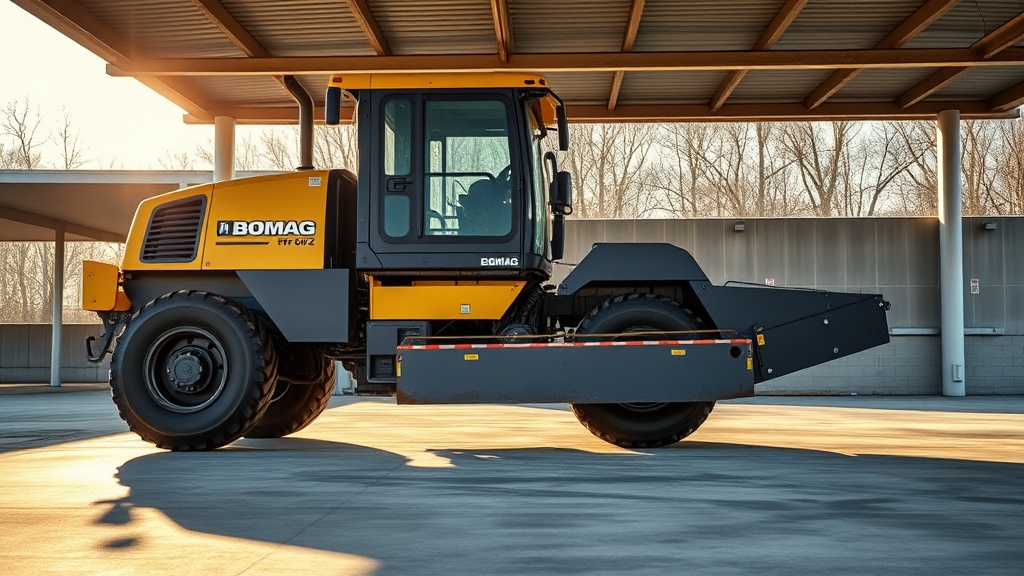
Corrosion is a relentless enemy of asphalt pavers, and the Bomag BF 600 P-2 is no exception. Without a rigorous prevention plan, moisture and road chemicals can silently degrade this machine’s structural integrity, leading to costly downtime. This guide provides a systematic approach to halting rust before it compromises your paver’s performance and resale value, focusing on high-risk zones and proven protective measures.
Why Does the Bomag BF 600 P-2 Face Specific Corrosion Risks?
The Bomag BF 600 P-2 operates in an environment where moisture, hot asphalt, de-icing salts, and abrasive debris are constant companions. The paver’s undercarriage, screed assembly, and material feed system are particularly vulnerable because they are exposed to steam, chemical runoff, and physical abrasion that strips away protective coatings. Unlike general construction equipment, asphalt pavers also contend with sulphur compounds in hot mix asphalt that can accelerate galvanic corrosion in electrical connections and hydraulic fittings. Understanding these unique stressors is the first step toward targeted prevention, especially when paired with proper material feed system maintenance to minimise spillage that traps moisture.
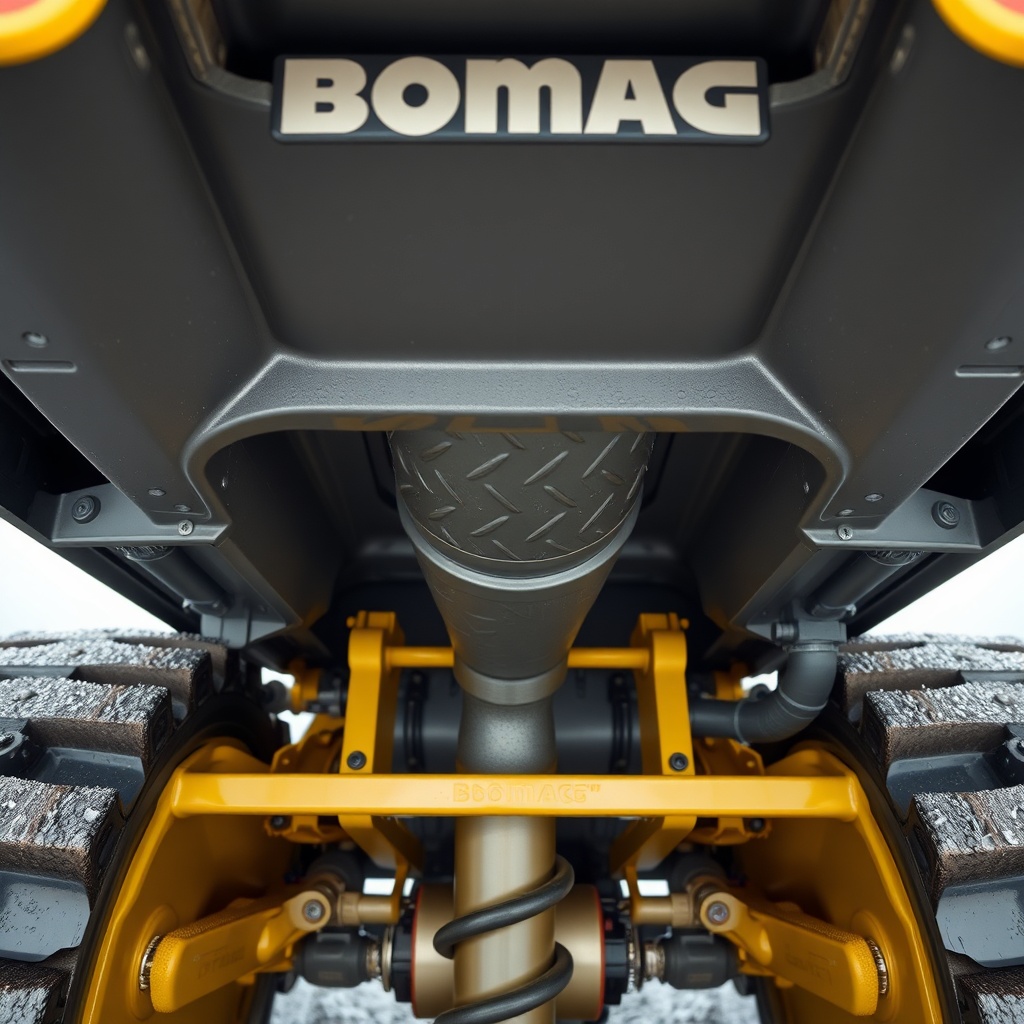
Common corrosion hot spots on the BF 600 P-2 include the screed extension rails, the track frame pivot points, the engine compartment lower panels, and the auger tunnel floor plates. Each area experiences different exposure levels and mechanical loads, so a one-size-fits-all approach fails. For example, the auger tunnel floor often suffers from pitting corrosion due to trapped water and fines, while the track frame rusts from the inside out when moisture seeps through worn seal welds.
What Is the Daily Inspection Routine for Rust Prevention?
A disciplined daily inspection is the most cost-effective corrosion deterrent. Operators should dedicate ten minutes at the end of each shift to inspect and record the condition of critical surfaces. Begin with a visual sweep of all painted and unpainted steel components, using a bright torch to identify early signs of rust, such as orange discolouration or blistering paint. Pay special attention to weld seams, bolts, and edges where coatings tend to chip.
After visual inspection, run a gloved hand over the lower screed plates, the auger tunnel floor, and the track drive sprocket area. Any rough patches or flaking material indicates active corrosion that requires immediate treatment. Next, check all drain holes and weep paths on the track frame and engine enclosure. If these are blocked with debris, water accumulates and accelerates rust. Clear any obstructions with compressed air or a thin wire.
Also, inspect the condition of protective coatings. If you notice bare metal on the screed mounting brackets or the material feed hopper hinges, apply a touch-up of zinc-rich primer and matching topcoat before the next paving job. A detailed track system maintenance checklist should include corrosion checks on the undercarriage rails and tensioner springs, as these are expensive to replace if ruined by rust.
Which Cleaning and Drying Methods Stop Corrosion Best?
Improper cleaning can actually introduce more moisture than it removes, so the technique matters as much as the frequency. High-pressure washing is effective but risky if done incorrectly. Always use a pressure washer with a maximum pressure of 2,000 psi and a wide spray pattern at least 30 cm from the surface. Concentrating the stream on electrical connectors, bearings, and seals forces water into protected cavities, leading to hidden internal rust.
A better method for the BF 600 P-2 is a two-stage approach. First, use a foaming degreaser formulated for asphalt removal. Apply it, let it dwell for five minutes, then rinse with low-pressure water. Second, immediately after rinsing, use a leaf blower or compressed air to force water out of all crevices, especially around the screed pivot points, the auger bearings, and the track drive motors. Failure to dry these areas is the primary cause of premature bearing failure due to corrosion.
For the engine compartment and electrical cabinets, use a damp cloth rather than water spray. Apply a dielectric corrosion inhibitor spray to exposed terminals and connectors after cleaning. Avoid standard WD-40, which evaporates quickly; instead, use a dedicated corrosion-preventive compound like CRC Heavy Duty Corrosion Inhibitor or LPS 3. These leave a waxy film that seals out moisture for weeks.
Finally, always store the paver in a covered area or use a breathable paver cover if outdoor storage is unavoidable. Never store the BF 600 P-2 with wet screens or mats, as moisture trapped against metal surfaces causes rapid surface rust. Engine overheating issues can also be exacerbated by corroded radiator fins, so keep the cooling package clean.
What Protective Coatings and Treatments Work Best for the BF 600 P-2?
Selecting the right protective coating depends on the operating temperature and mechanical abrasion the area receives. For components that remain below 80°C, such as the track frame, hopper supports, and engine enclosure, a high-build epoxy primer followed by a polyurethane topcoat yields excellent corrosion resistance. These systems withstand road salts and frequent washing cycles.
For high-temperature areas like the screed bottom plates (which can reach 150°C), standard paints fail quickly. Instead, use a two-component silicone-based coating rated for 250°C continuous service. This prevents the coating from burning off, which exposes steel to moisture and chemical attack. A ceramic-based thermal barrier coating is another option for the screed, but it is more expensive and typically requires professional application.
Table: Coating Recommendation by Component for Bomag BF 600 P-2
| Component | Maximum Operating Temp (°C) | Recommended Coating Type | Estimated Cost (GBP per litre) | Reapplication Interval (months) |
|---|---|---|---|---|
| Track frame | 60 | Two-component epoxy + polyurethane | £35-£50 | 18-24 |
| Screed bottom plate | 150 | Silicone-based, 250°C rated | £55-£75 | 6-12 |
| Auger tunnel floor | 80 | Zinc-rich epoxy primer | £30-£45 | 12-18 |
| Electrical boxes (external) | 50 | Polyurethane (low-gloss) | £40-£60 | 24-36 |
| Hopper interior | 70 | High-build epoxy with anti-skid | £40-£55 | 12-18 |
For fasteners and small brackets, consider hot-dip galvanising new parts before installation. This provides a sacrificial zinc layer that protects steel even if the coating is scratched. Avoid cadmium plating, as it offers poor corrosion resistance in alkaline environments created by cement-treated base courses. For the screed plate replacement, always use new bolts with a corrosion-resistant finish, as re-using corroded fasteners can lead to joint failure.
How Does Proper Lubrication Protect Against Corrosion?
Lubrication serves a dual purpose in corrosion prevention: it reduces friction wear and creates a physical barrier against moisture. On the Bomag BF 600 P-2, certain points are prone to corrosion if lubricant is neglected. The auger tunnel drive chains, the screed vibrator mechanisms, and the track tensioner grease fittings are all vulnerable. When grease dries out, it leaves a sticky residue that attracts dust and retains water, forming a corrosive paste.
Use a high-quality lithium-complex grease with a molybdenum disulphide additive for heavy-loaded pins and bushings. This grease has excellent water resistance and does not wash out easily. For the screed extension rails and slide plates, apply a dry-film lubricant spray that contains PTFE. This leaves a thin, non-stick coating that prevents rust without attracting debris. Lubricate all grease fittings every 10 operating hours or at the end of each day if the paver is used in wet conditions.
Also, apply a thin film of grease to exposed threads on bolts and adjusting screws. This prevents galvanic corrosion between dissimilar metals, such as when a steel bolt is inserted into an aluminium screed frame. Use an anti-seize compound on high-temperature fasteners in the exhaust and engine area. Neglecting this can cause bolts to seize and snap during removal, leading to expensive repairs for the material feed system upgrade.
What Owners Say About Corrosion Management on the BF 600 P-2
Operators and fleet managers across the UK have shared practical experiences with the Bomag BF 600 P-2. A common theme is that proactive owners who invest in weekly cleaning and monthly coating inspections report significantly fewer corrosion-related failures than those who only react once rust is visible. One owner in the Midlands mentioned that the auger tunnel floor was the first area to show signs of pitting, and his team now applies a sacrificial zinc spray to this zone every spring. Another operator in Scotland noted that the track frame drain holes clog quickly with grit, and he now inspects them after every day on site. A third user in the South East found that using a dehumidifier in the storage shed reduced rust on electrical connectors by an estimated 80%. The consensus is that corrosion prevention is not a one-time treatment but a continuous cycle of cleaning, inspecting, applying coatings, and tracking results. Owners also stress that the cost of prevention is always lower than the cost of replacing a corroded track frame or screed assembly, which can exceed £15,000 in parts alone.
Some owners have reported that the factory-applied paint on the lower engine enclosure is thin, and they recommend adding an additional layer of epoxy undercoat before the first year of operation. A few have also switched to a biodegradable rust remover for touch-ups, which is safer for the environment near sensitive paving sites. Those who have had experience with the operator comfort features also note that keeping the cabin floor free of moisture prevents corrosion of the electrical harness connectors located beneath the operator’s seat.
Frequently Asked Questions
Q1: How often should I wash the Bomag BF 600 P-2 to prevent corrosion?
A1: Wash the paver after every 40 operating hours or at least once a week during paving season, whichever comes first. If working in wet or salty conditions, wash daily. Always dry thoroughly after washing.
Q2: What is the best rust inhibitor for the screed plate area?
A2: For the screed bottom plates, use a silicone-based coating rated for 250°C continuous service. For the screed extension rails and slide plates, a dry-film PTFE lubricant works well as both a rust inhibitor and a friction reducer.
Q3: Can I use a pressure washer on the engine compartment?
A3: No. Never use a pressure washer directly on the engine, alternator, starter motor, or electrical control boxes. Clean these areas with a damp cloth and apply a dielectric corrosion inhibitor spray to connectors.
Q4: How do I prevent rust inside the auger tunnel?
A4: After each day’s work, remove any residual asphalt and debris from the auger tunnel. Apply a light coating of zinc-rich epoxy primer to the tunnel floor and walls. Ensure the tunnel drain holes are clear to allow water to escape.
Q5: What costs are involved in a full corrosion treatment for a BF 600 P-2?
A5: A thorough DIY corrosion treatment, including cleaning, primer, topcoat, and corrosion inhibitor sprays, typically costs between £200 and £400 for materials. Professional paint and rust-proofing service can range from £800 to £1,500, depending on the extent of existing damage.
Q6: Is it necessary to remove rust before applying new coating?
A6: Yes. Any loose rust must be removed mechanically with a wire brush, abrasive pad, or sandblasting before applying a new coating. If the coating is applied over rust, the corrosion will continue beneath the paint, causing it to bubble and peel. After rust removal, apply a phosphoric acid-based metal prep to neutralise microscopic rust particles.