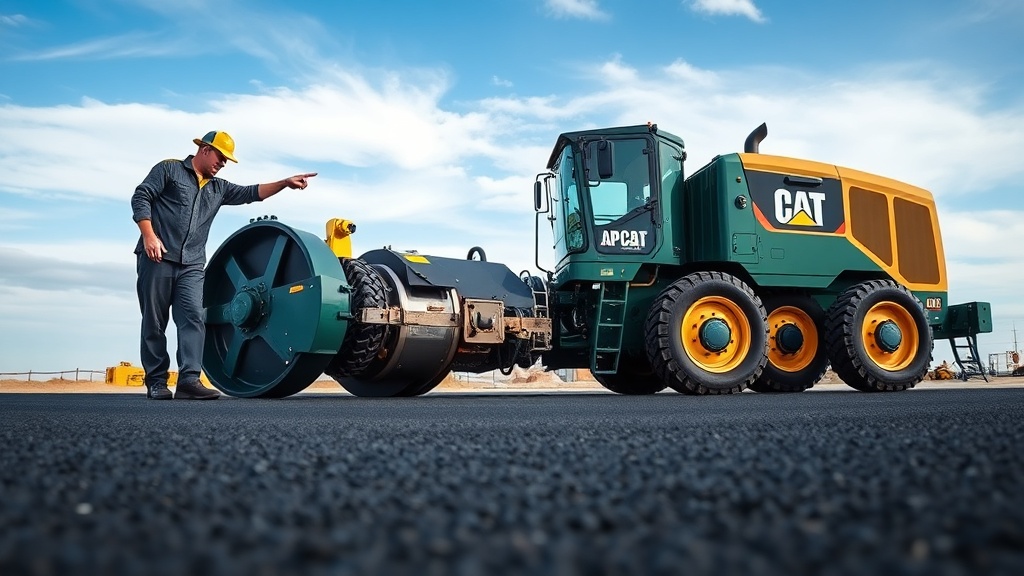
Why Is My Caterpillar AP655F Screed System Producing Unusual Noise?
Excessive or abnormal noise from the screed system on a Caterpillar AP655F asphalt paver is rarely a random occurrence. In nearly every case, it signals mechanical wear, hydraulic misalignment, or material build-up in a specific subsystem. A systematic screed heating system troubleshooting guide often resolves thermal-related clicking, but mechanical noise requires a separate diagnostic path. This guide focuses on pinpointing the exact source of unfamiliar sounds so you can order the right part and minimise unscheduled downtime.
What Does a Worn Auger Bearing Sound Like?
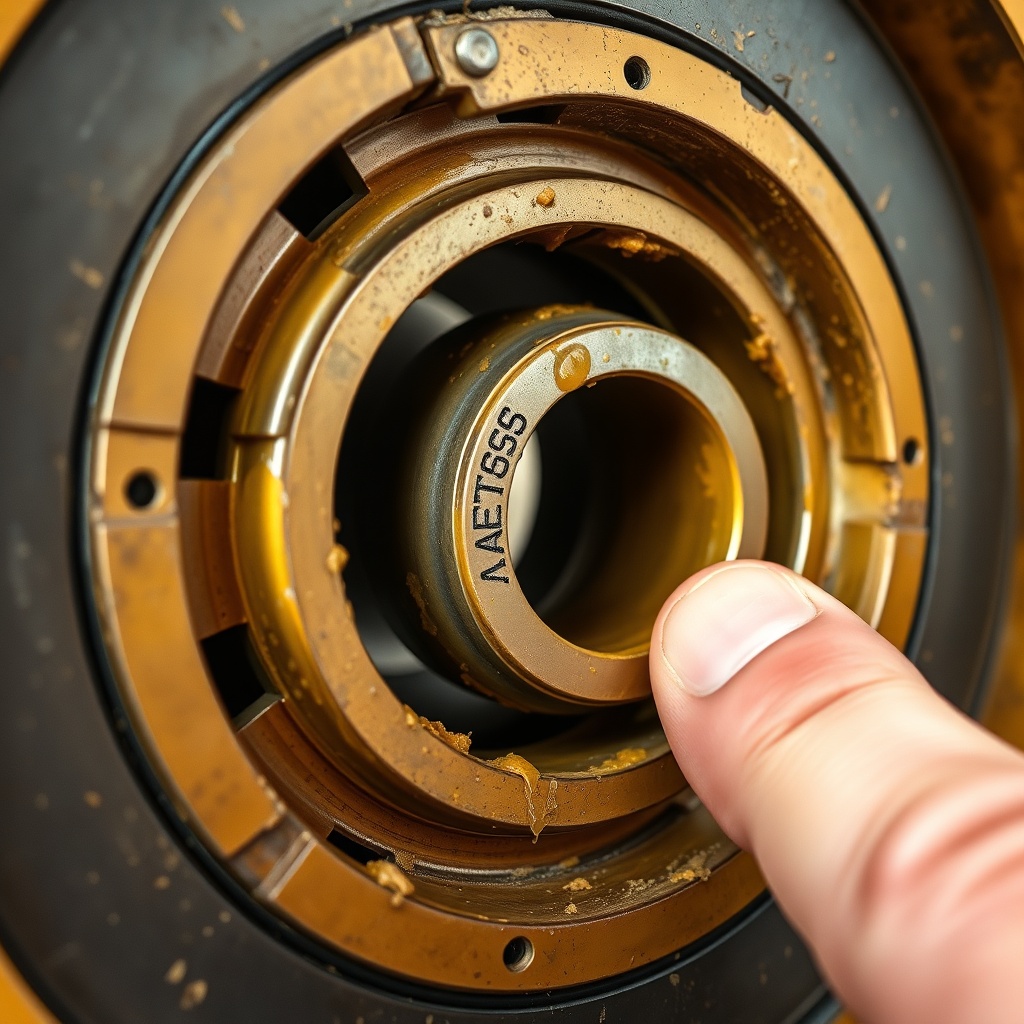
The auger bearings are the most frequent noise source on a high-hour AP655F. If you hear a low-frequency rumbling or a rhythmic metallic knock that changes with auger speed, inspect the auger support bearings and the centre drive bearing. A worn bearing will produce a distinct growl under load, and in advanced stages, a sharp click on each rotation.
To confirm, run the augers in manual mode at low speed while the screed is raised. If the sound localises to the left or right auger section, isolate that side. Replace the bearing assembly if radial play exceeds 0.5 mm. Delaying replacement can damage the auger shaft and increase repair costs from approximately £340 for a bearing kit to over £1,200 for a complete shaft rebuild.
Could a Loose Screed Plate Fastener Cause a Rattling Sound?
A metallic rattle, especially when travelling over uneven ground or during crown adjustment, often points to loose screed plate bolts or worn fasteners. The AP655F uses a series of M16 bolts securing the screed plates to the base frame. Over time, vibration can loosen these bolts, creating a pronounced chatter.
- Inspect all bolts on both the left and right screed plates. Torque them to 220 N·m.
- Check the plate alignment—a shifted plate can rub against the screed frame.
- Use a thread-locking compound on any bolt that repeatedly loosens.
If the rattling persists after re-torquing, examine the screed plate replacement procedure for guidance on replacing worn fasteners and seating the plate correctly. A loose plate not only creates noise but accelerates wear on the screed frame mounting points.
Is a Hydraulic Motor Cavitation Creating a High-Pitched Whine?
A high-pitched whine from the screed system, particularly when the hydraulic oil is cold or low, nearly always indicates cavitation in the screed vibrator or tamper bar motor. Cavitation occurs when the pump draws in air through a loose suction line or when the oil level drops below the pump inlet.
| Noise Characteristic | Likely Cause | Severity Level | Estimated Repair Cost (GBP) |
|---|---|---|---|
| Rumble / low growl | Worn auger bearing | Moderate | £340 – £680 |
| Metallic rattle | Loose screed plate bolts | Low | £45 – £120 |
| High-pitched whine | Hydraulic cavitation | High | £250 – £1,100 |
| Clicking from centre | Worn centre drive bearing | Moderate | £520 – £890 |
| Scraping sound | Worn wear strips | Low | £95 – £230 |
Check the hydraulic oil level with the engine running and the screed at operating temperature. If the level is low, top up with the correct grade (typically ISO 46). Inspect the suction strainer and line for cracks. Cavitation can damage the motor internals quickly, so shut down if the whine becomes louder under load. Then follow the fuel system maintenance guide to ensure the engine and hydraulic system are running at peak pressures.
Why Do I Hear a Scratching or Chirping Noise from the Side Plates?
If the noise resembles a scratch or a bird-like chirp coming from the outer edges of the screed, suspect the side plate wear strips or the side plate guides. The AP655F uses replaceable wear strips made from hardened steel or polymer. When these strips wear down to less than 3 mm thickness, the side plate metal contacts the screed frame.
Inspect the wear strips by removing the side plate guard. If the strip is below the minimum thickness, install new ones according to the screed wear parts replacement guide. A chirping noise can also be caused by a lack of lubrication on the side plate pivot points. Apply a lithium-based grease to the pivot pins and retest.
What Does a Failing Tamper Bar Bearing Sound Like?
The tamper bar assembly includes two eccentric bearings that create the tamping motion. When these bearings begin to fail, you will hear a repeating thumping or a severe knocking at the operating frequency (typically 1,800 to 2,000 RPM). Unlike the auger bearings, the tamper bar noise is faster and more rhythmic, often synchronised with the paver’s forward speed.
Stop the paver and raise the screed. Manually rotate the tamper bar drive pulley to feel for roughness. Play in the bearing of more than 0.25 mm indicates imminent failure. A bearing replacement costs roughly £180–£290 per side, but ignoring it can lead to eccentric shaft damage costing over £1,500. Always inspect the screed electrical system for related sensor faults that might have preceded the noise.
What Owners Say About Noisy Screed Systems
Owners and operators of the AP655F frequently share consistent observations about noise problems. One recurring theme is that a noise dismissed as “just normal diesel rattle” turned out to be a worn auger bearing that seized after two more hours of operation. Another common scenario: a high-pitched whine was initially blamed on the engine fan, but tracking it back to the hydraulic motor saved a complete screed replacement.
Several operators on paving forums recommend always running a screed plate wear indicators check when any new noise appears, as worn plates can change the vibration frequency and mask mechanical issues. Most agree that early diagnosis—within the first hour of hearing a new sound—reduces repair costs by at least 40% compared to waiting until the noise becomes constant.
Frequently Asked Questions
1. Can a lack of lubrication cause the screed to make noise?
Yes. Dry pivot points, auger bearings, and tamper bar eccentric shafts produce distinct noises. Lubricate all grease fittings every 10 hours of operation using lithium-based EP grease.
2. How do I differentiate between an auger bearing noise and a tamper bar noise?
Auger bearings produce a slow rumble that changes with auger speed, while tamper bar bearings create a fast, rhythmic thumping at the tamping frequency. Run each system independently to isolate the source.
3. Is it safe to continue paving if I hear a scraping sound?
Only until you can stop safely. A scraping sound often means metal-on-metal contact due to worn wear strips. Continuing can damage the screed frame and cost over £2,000 to repair.
4. What is the most common noise issue on a Caterpillar AP655F?
Operators report that loose screed plate bolts are the most common cause of rattling noise. Check these first, as they are the easiest to fix and inspect.
5. Can a hydraulic leak make the screed noisy?
Indirectly, yes. A small leak in the hydraulic return line can cause air ingestion, leading to cavitation noise. Inspect all hoses and fittings for weeping oil.
6. How much does a typical scree noise diagnosis cost?
A screen noise diagnosis by a dealer technician costs between £120 and £280 per hour. Many owners find that using this guide reduces diagnostics to 30–60 minutes.