Introduction to the Caterpillar AP655F Transmission System
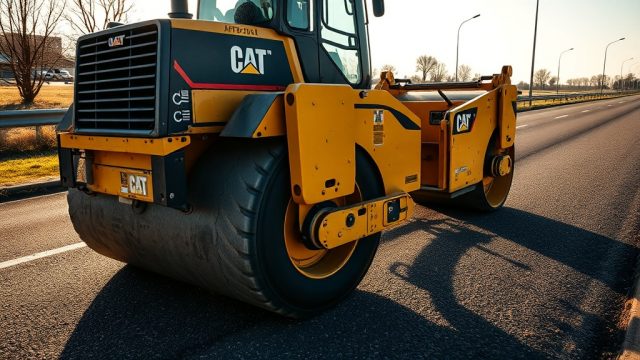
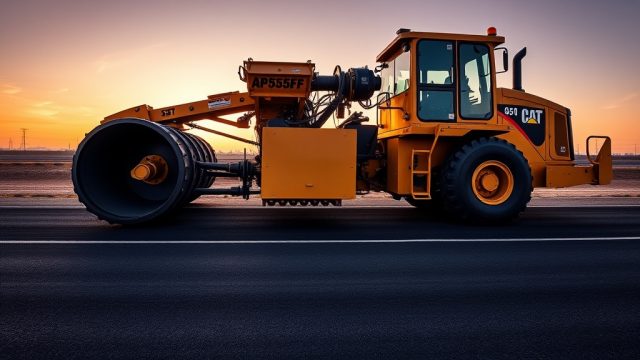
The Caterpillar AP655F is a heavy-duty asphalt paver designed for large-scale road construction and resurfacing projects. Its transmission system is a critical component, responsible for converting engine power into controlled propulsion and steering. A malfunctioning transmission can lead to significant downtime, costly repairs, and safety hazards on the job site. This guide provides a systematic approach to diagnosing and resolving common transmission issues, helping paving professionals maintain productivity and extend the service life of their equipment.
Understanding the AP655F’s hydrostatic transmission architecture is the first step. The system relies on a variable-displacement pump driving hydraulic motors at each track, regulated by electronic controllers and manual input. When problems arise—such as sluggish movement, erratic steering, or complete loss of drive—a structured troubleshooting process is essential. This article covers the most frequent faults, their symptoms, and practical solutions, with references to related maintenance tasks like conveyor belt maintenance to illustrate how system interactions affect overall performance.
Why Is the AP655F Not Moving When the Engine Is Running?
One of the most alarming scenarios on a paving project is an AP655F that refuses to move despite a running engine. This condition typically points to a failure in the transmission’s hydraulic circuit or electronic control system. Begin by checking the transmission oil level—low fluid can starve the pump, causing cavitation and loss of pressure. Ensure the oil meets Caterpillar’s specifications (e.g., Cat HYDO Advanced 10W); using incorrect viscosity can reduce pump efficiency by 15-20%.
Next, inspect the drive pump electrical connector for corrosion or damage. The pump’s displacement is controlled by a proportional solenoid valve that receives signals from the tractor controller. A loose or broken wire here can prevent the valve from opening, even if the engine revs normally. Use a multimeter to verify voltage at the solenoid connector (expected range: 12.6-14.5 V DC when engine runs). If voltage is absent, trace the circuit back to the controller—a burned fuse (rated 20A) is a common culprit.
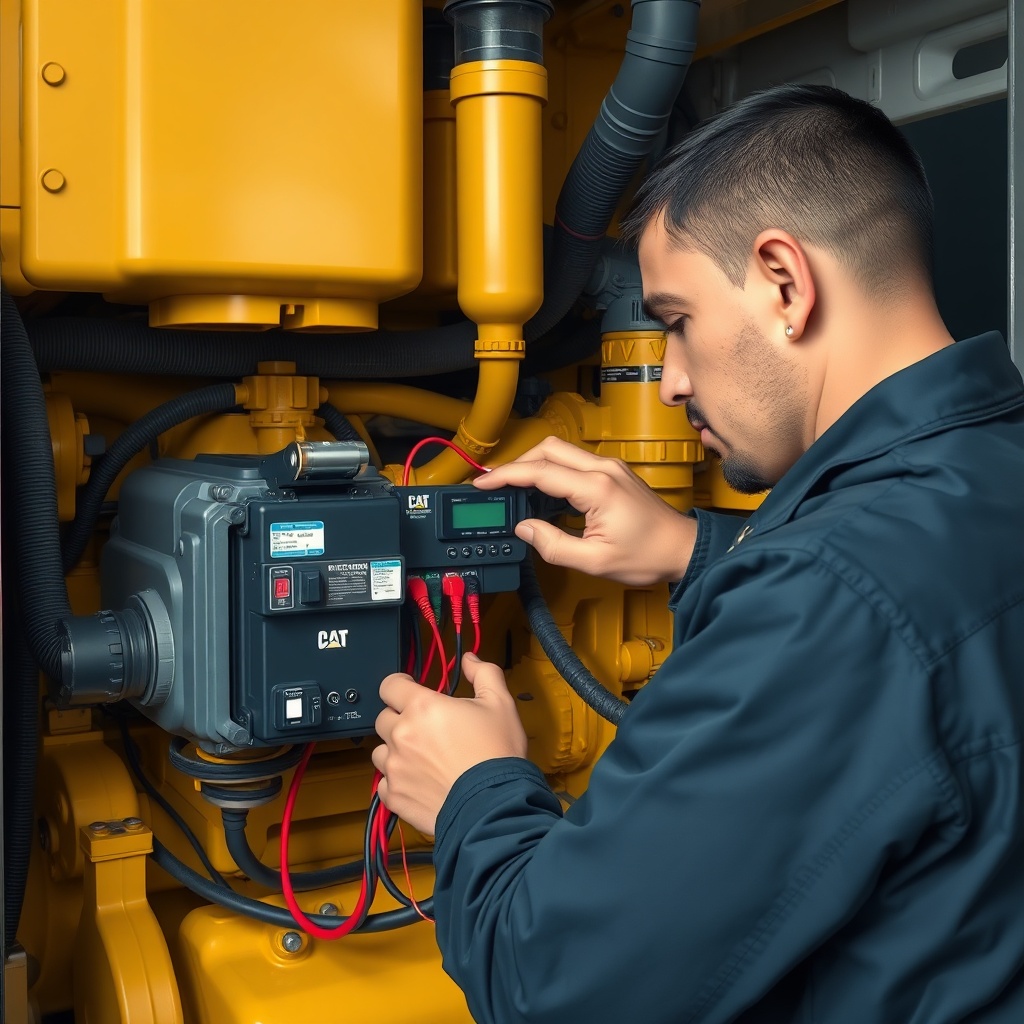
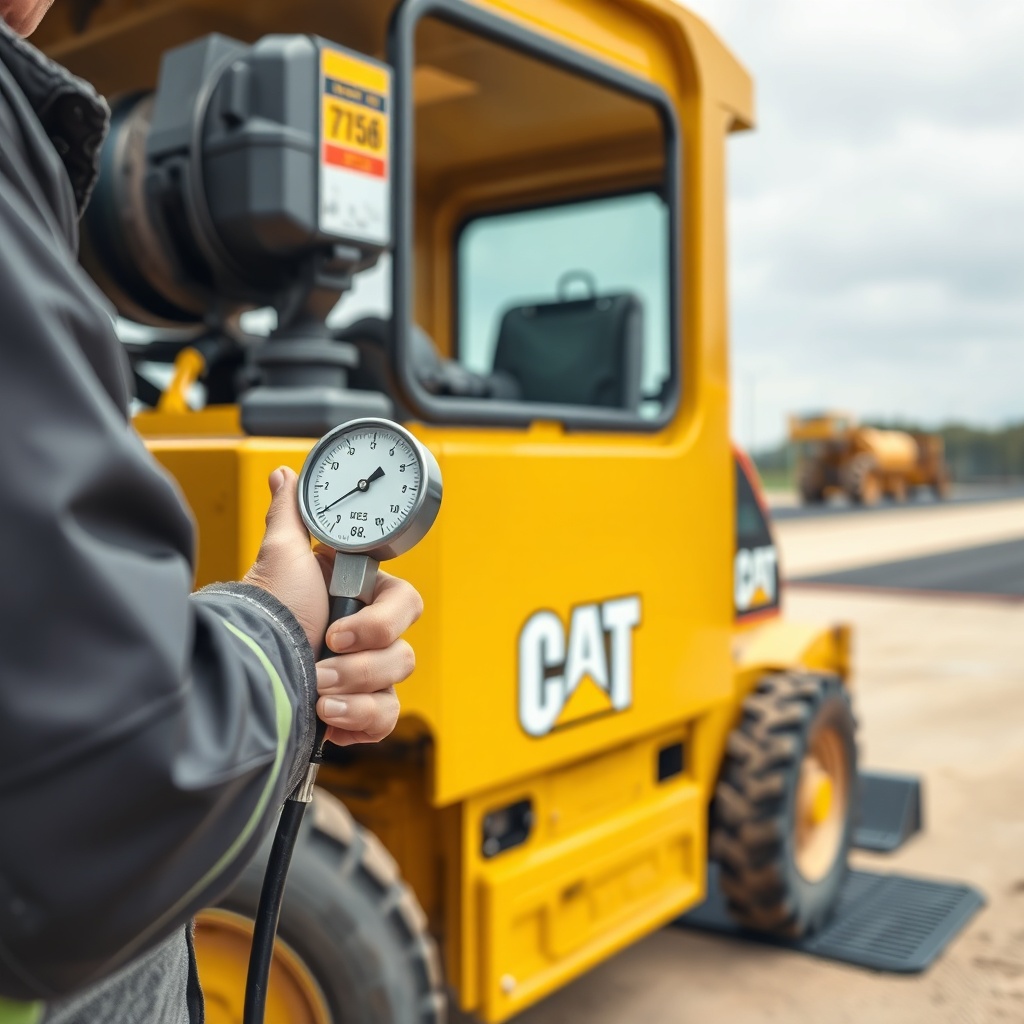
If electrical checks are normal, perform a pressure test on the drive pump. Connect a 0-500 bar gauge to the test port on the pump’s outlet. At idle, pressure should read 20-35 bar; at full throttle with the travel lever engaged, it should rise to 250-300 bar. Readings below 150 bar indicate internal pump wear or a stuck relief valve. In such cases, replacing the pump’s rotating group or servicing the relief valve may be needed, but first rule out contamination by checking the hydraulic filter for metal debris. Regular filter changes (every 1000 hours) prevent these failures. For related drivetrain insights, refer to the screed wear parts replacement guide to understand how screed load affects transmission strain.
What Causes Jerky or Erratic Movement in the AP655F?
Jerky acceleration or deceleration during paving operations not only compromises mat quality but also indicates underlying transmission issues. Typically, this symptom stems from air entrapment in the hydraulic circuit, worn drive motor swashplates, or a failing controller algorithm. Begin troubleshooting by bleeding the system. If air is present, the oil will appear frothy; drain and refill with fresh fluid, then purge air by running the tracks full stroke in forward and reverse for two minutes.
Next, examine the track drive motors. Each motor contains a swashplate that adjusts displacement for speed and torque. Over time, wear on the swashplate’s spring assembly can cause uneven movement. To test, measure the motor’s case drain flow: at 2000 rpm, normal flow is 3-5 L/min; flow above 10 L/min indicates internal leakage, requiring motor overhaul or replacement. Also, verify the motor’s speed sensor—a faulty sensor sends erratic signals to the controller, causing jerky responses. Clean the sensor tip and check resistance (500-700 ohms at 20°C).
Finally, update the tractor controller firmware. Caterpillar periodically releases upgrades that refine transmission response curves. A mismatch between controller software and hardware can produce hunting behaviors. Contact your local Cat dealer for the latest version—installation takes 30 minutes. Regular firmware updates, combined with careful maintenance of the screed electrical system, ensure smooth operation across all machine functions.
| Parameter | Normal Range | Warning Range | Critical Range (Severity Level) | Action Required |
|---|---|---|---|---|
| Drive pump output pressure (at full throttle) | 250–300 bar | 150–250 bar | <150 bar (High) | Inspect pump, relief valve |
| Drive motor case drain flow (at 2000 rpm) | 3–5 L/min | 5–10 L/min | >10 L/min (High) | Service or replace motor |
| Hydraulic oil temperature | 50–80°C | 80–95°C | >95°C (Medium) | Check cooler, clean core |
| Controller voltage at solenoid | 12.6–14.5 V DC | 11–12.6 V DC | <11 V (High) | Check alternator, battery |
How to Fix Steering Problems on the AP655F?
Steering instability—whether drifting to one side or failing to turn—often originates in the transmission’s steer-by-wire system or track brake mechanisms. First, calibrate the steering sensor: start the engine, set parking brake, and pivot the steering wheel fully left then right. The dashboard display should show 100% travel in each direction. If not, access the Service Menu (hold Mode + Set keys for 5 seconds) and recalibrate using option 03 (Steering Trim).
Check the track brake pressure at each motor. Brake release pressure must be at least 20 bar; below 15 bar, the brake drags, causing poor steering response. Measure using a gauge on the brake test port. If pressure is low, inspect the brake valve cartridge for contamination—a stuck spool prevents full release. Clean or replace the cartridge, then test again. Also, examine the steering cylinders on the front axle: worn seals allow oil bypass, softening steering input. Rebuild cylinders if visible leakage or play exists.
Hydraulic oil contamination is a common root cause. Send a sample for analysis: water content exceeding 500 ppm or particle counts above ISO 18/16/13 degrade steering valve performance. A bypass filter unit (installed for 8 hours) can reduce contamination without changing oil. Addressing steering issues early prevents secondary damage to screed plate wear indicators, as uneven steering stresses the screed structure. Consistent maintenance of oil cleanliness extends all hydraulic component life.
Why Does the AP655F Shudder During Paving?
A shuddering sensation when laying asphalt—typically felt through the operator seat—often traces to transmission resonance or uneven power delivery to the tracks. Differentiate this from screed vibration: a transmission shudder occurs at specific travel speeds (usually 2-5 m/min) and disappears in neutral. Start by checking track chain tension. Loose chains slap against sprockets, creating cyclic loads that resonate through the hydrostatic loop. Adjust tension per Cat specifications (sag of 2-3 cm at midpoint).
Next, inspect the drive pump’s charge pressure. A low charge pump (below 10 bar) fails to maintain the main pump’s inlet condition, causing pressure fluctuations. Measure at the charge pressure test port (port C). If reading is low, replace the charge pump filter and check the charge relief valve setting (adjust to 20 bar if needed). Worn charge pump gears also cause this: replace if flow at the case drain exceeds 6 L/min at idle.
Evaluate the track drive motor alignment. Misalignment between the motor and final drive generates destructive vibration. Remove the access cover at each track and measure radial runout with a dial indicator (limit: 0.25 mm). If exceeded, shimming or motor bracket replacement is necessary. Finally, update the engine ECU and transmission controller to ensure torque curves match. A mismatch causes hunting between engine and transmission, producing low-frequency shudder. For additional noise-related diagnostics, consult the screed system noise diagnosis guide to separate transmission-borne sounds from screed issues.
What Owners Say About the AP655F Transmission
Experienced operators and fleet managers report a mixed but generally favorable outlook on the AP655F transmission. The hydrostatic system is praised for responsive power delivery and smooth speed modulation, especially when maintaining constant mat speed on slopes. One owner from Arizona noted: “With proper maintenance, we get 8,000 hours before needing a major pump rebuild. The key is changing the hydraulic filter every 500 hours—not 1,000 as recommended—given our dusty conditions.”
Common complaints center on the controller sensitivity. Some operators find the steering override adjustment cumbersome, requiring dealer recalibration under warranty. A contractor in Texas shared: “The default deadband at center steering drove us crazy; we had to drop it to 2% from 10% to eliminate wandering. After that, tracking straight became effortless.” Others highlight the value of Case drainage testing during routine PM: detecting early motor wear saved a crew from a mid-project breakdown on a £2.5 million highway job.
Overall, owners emphasize that adherence to fluid specifications and contamination control yields high transmission reliability. Upgrading to a Cat-designed bypass filtration system online costs approximately £1,200 but pays for itself in reduced downtime. Several operators also recommend pairing transmission health checks with operator comfort reviews to ensure the cab environment remains conducive to precise control during long paving days.
Frequently Asked Questions
Q1: How often should I change the transmission hydraulic oil on the AP655F?
Caterpillar recommends an initial change at 500 hours, then every 1,000 hours thereafter. In severe dust environments, reduce intervals to 500 hours. Always use Cat HYDO Advanced 10W or equivalent.
Q2: Can a failing transmission cause the screed to heat unevenly?
Indirectly, yes. Erratic forward speed from transmission problems forces screed heaters to overcompensate, leading to thermal inconsistency. But uneven heating most often traces to heater element faults; refer to screed electrical system troubleshooting for direct causes.
Q3: What is the replacement cost of a transmission pump on a Caterpillar AP655F?
A new OEM drive pump costs approximately £8,500 to £11,000, depending on model year. Remanufactured units from Caterpillar run £5,200 to £6,800. Labor adds £1,500 to £2,500 for installation and calibration.
Q4: How do I know if my transmission solenoid is faulty?
Measure resistance across the solenoid terminals: normal is 4.0-6.0 ohms. An open circuit indicates a broken coil. Also listen for a clicking sound when toggling the travel lever—no click suggests solenoid failure. Replace the solenoid unit if faulty; cost is about £320.
Q5: Why does my AP655F move forward but not reverse?
This asymmetry typically points to a failed directional control valve spool or a broken wire to the reverse solenoid in the drive pump. Swap the forward and reverse solenoid connectors at the pump; if the problem moves to forward, replace the reverse solenoid. If not, inspect the valve body.
Q6: Can I use universal hydraulic oil in the AP655F transmission?
No. Caterpillar specifies Cat HYDO Advanced or equivalent with a viscosity of SAE 10W and a high viscosity index. Universal oils may lack proper anti-wear and seal compatibility, accelerating pump wear by 30% and risking seal failure within 200 hours.